
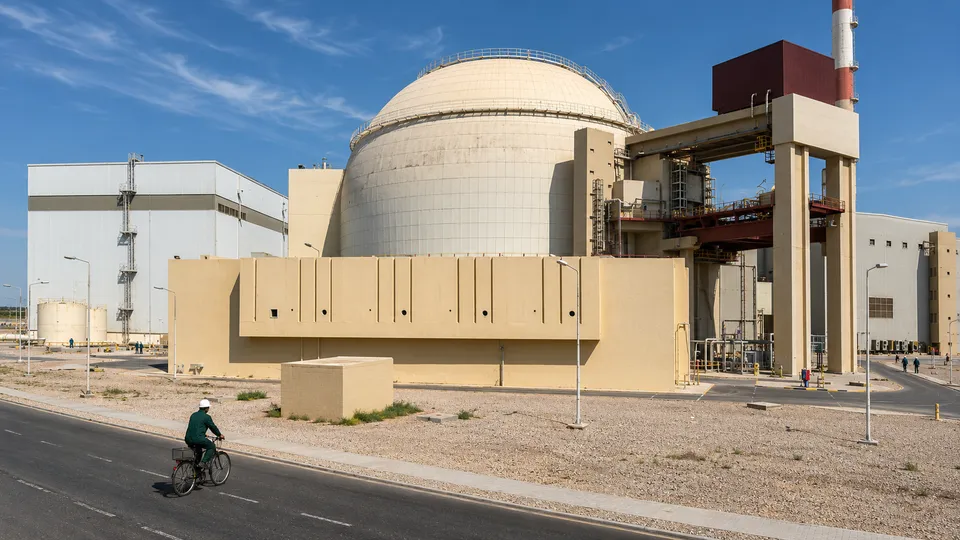
On Monday in Tehran, the Foreign Ministry’s spokesman, Esmaeil Baghaei, told a press conference that Iran had not suspended its commitments under the Treaty on the Non-Proliferation of Nuclear Weapons. States say this kind of thing when they are still standing inside a house whose walls have come down. The treaty holds, he said. The inspectors, mostly, do not come.
The house came down in stages. The United States and Israel struck Iran’s main nuclear facilities and killed senior leaders, among them the Supreme Leader, Ali Khamenei, under whom nuclear weapons were officially forbidden. Since then, as Maziar Motamedi reported for Al Jazeera, Iranian authorities have talked more and more openly about leaving the treaty and building a bomb. Meanwhile talks to end the war with Washington go on through mediators, and broad international inspections of Iranian sites remain a distant prospect.
The one door
Baghaei did not pretend that cooperation with the International Atomic Energy Agency was normal. He blamed the American and Israeli attacks for “issues concerning implementation of safeguards commitments,” and he put it plainly: “we cannot act like normal circumstances in our cooperation with the agency.” He criticised the agency’s director general, Rafael Grossi, once again. He also confirmed that IAEA inspectors had visited the Bushehr nuclear power plant a few days earlier.
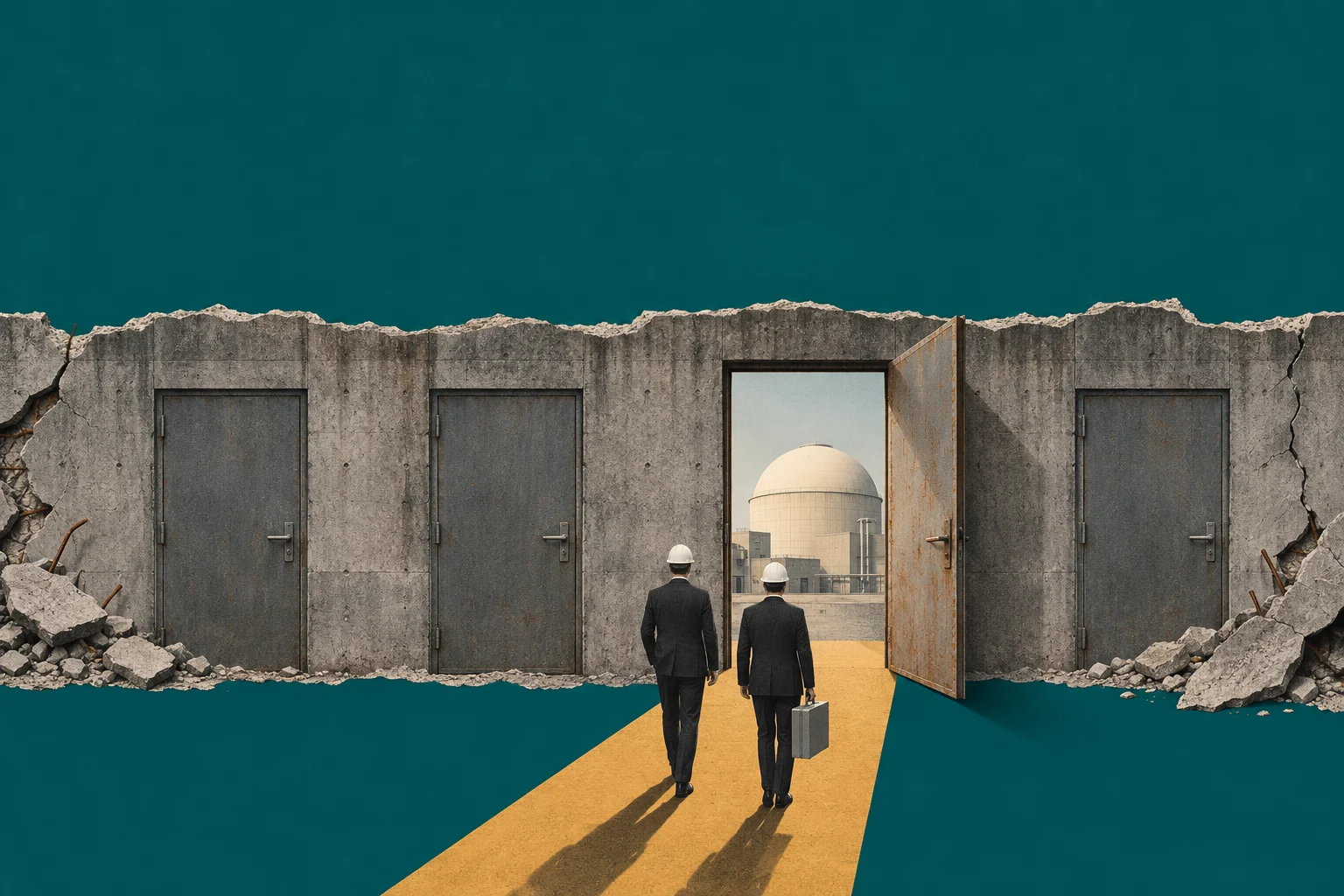
Bushehr is the exception that proves how far things have fallen. Russia helped build the plant, and further phases are under construction. The agency can still get into it only because it was never bombed directly. Even so, US aircraft hit its perimeter several times. The strikes damaged the area and led to a partial evacuation of Russian staff, who have not all returned.
In late October Grossi told the UN Security Council that the agency could not verify Iran’s nuclear material because Tehran “has not provided the requested information and access.” His appearance there was the end of a long paper trail. According to the Arms Control Association, the IAEA board found Iran in noncompliance with its safeguards obligations in June, and in September it passed a resolution directing Grossi to report that finding to the Council.
So one door is open. Natanz, Fordow and Isfahan stay shut.
Ali Vaez of the International Crisis Group describes Iran as having one foot in the treaty and the other close to the exit. He calls the Bushehr visit “a low-cost gesture designed to keep diplomacy alive and hardliners at bay”, a way to keep leverage over the underground sites that really matter. Seyed Hossein Mousavian, a former Iranian negotiator now at Princeton, points to a gap in the rules: the IAEA has no inspection protocol for facilities damaged by military strikes. Tehran also fears that whatever inspectors learn could reach the US and Israel and help them aim the next attack. According to Mousavian, Iran treats its limits on inspection “as a security concern rather than necessarily a rejection of its NPT obligations.”
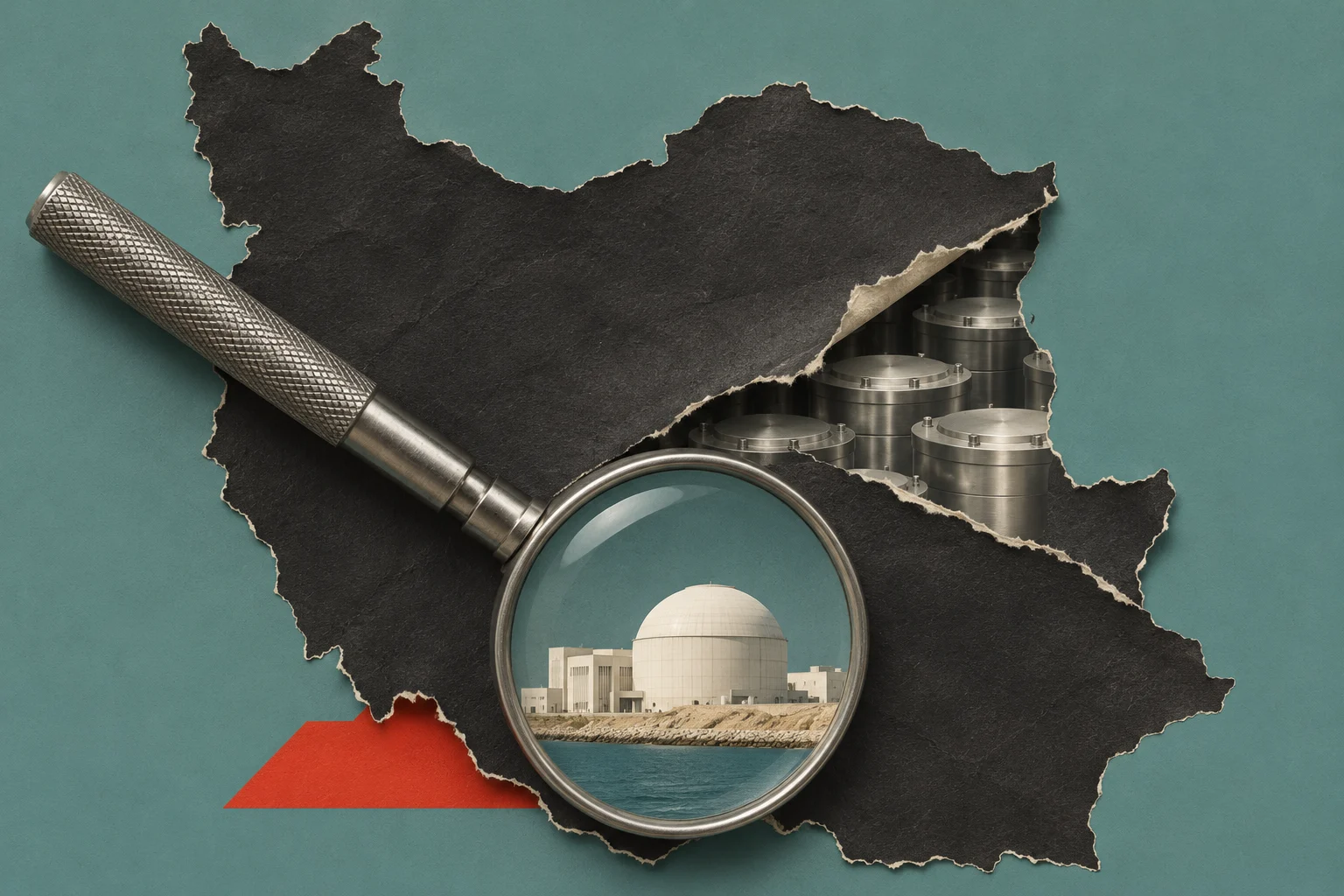
The parliament and the Guard
The treaty bans the acquisition of nuclear weapons and recognises a right to peaceful nuclear energy. Monitoring is handled separately, through a safeguards agreement with the agency. A state may leave only after giving notice that “extraordinary events” have “jeopardised the supreme interests” of the country. Iran’s state broadcaster Press TV has set out the procedure: parliament passes the law, the government submits notice under Article X, and a 90-day clock starts. Hardliners say the treaty did nothing to protect Iran from conventional bombs.
The pressure has built for months. In mid-September, 130 lawmakers signed a statement urging parliament to begin the legal process of withdrawal, and Press TV reported that a withdrawal bill had been submitted to the presiding board. On October 21 the Tasnim news agency reported a triple-urgency bill signed by 48 lawmakers. It cannot reach an open session without the approval of Speaker Mohammad Baqer Qalibaf. On November 6 one deputy, Ali-Asghar Nakhaei-Rad, argued in an op-ed that membership brings Iran nothing and that inspections have helped expose sensitive information.
The talk is not confined to backbenchers. The security chief, Mohsen Rezaei, has publicly considered leaving the treaty more than once. Hossein Mohebbi, spokesman for the Revolutionary Guard, said the Guard “will create the necessary preparations” if the nuclear doctrine changes. President Donald Trump has threatened to strike the underground Pickaxe Mountain complex near Natanz and other sensitive sites, and the weapons for such a strike are already being discussed. According to Al Jazeera, those threats have strengthened the hardliners who want the doctrine changed.
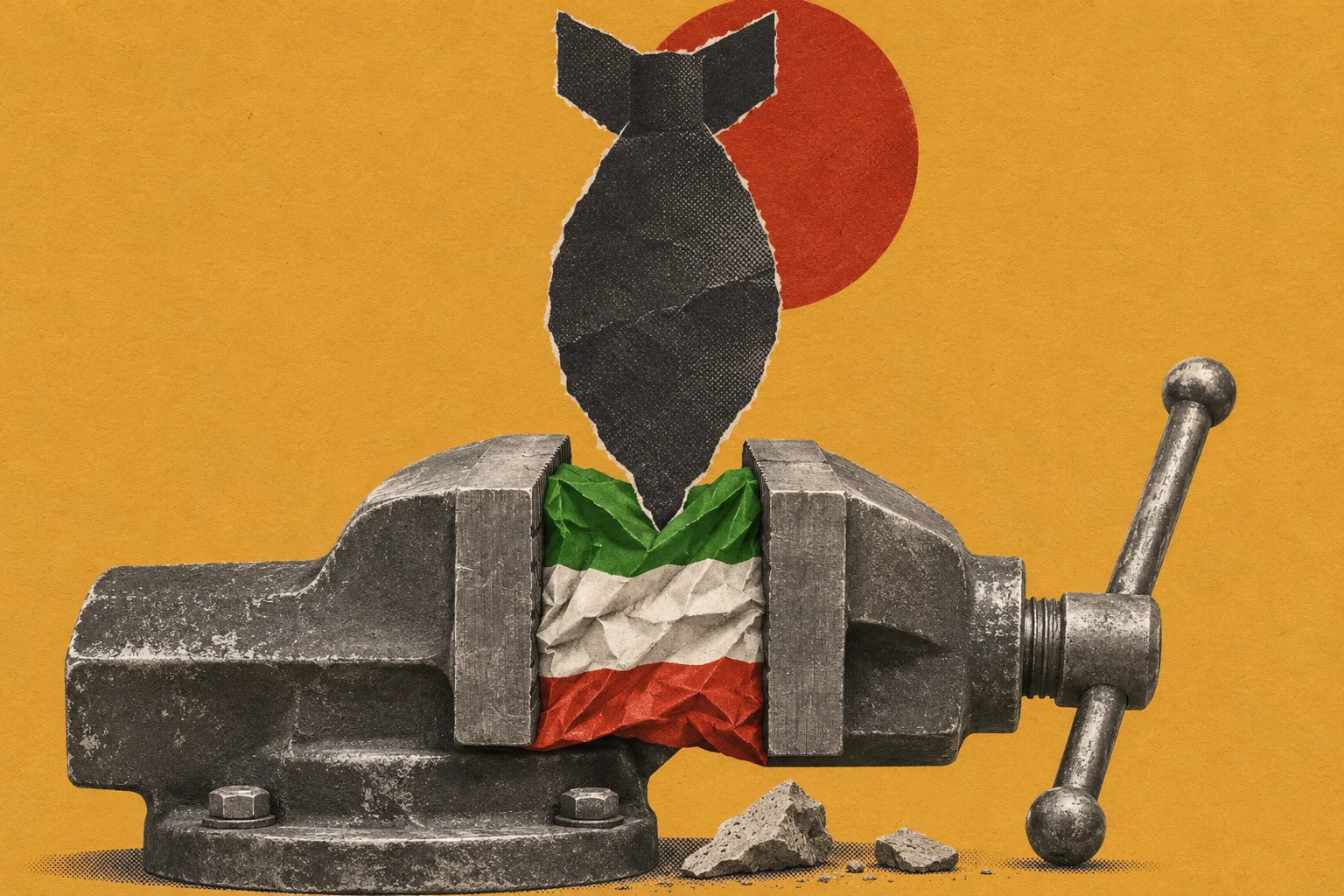
This may be the oldest irony of coercion: every bomb dropped to stop a bomb becomes, in the capital where it lands, an argument for having one. Whether that argument wins in Tehran is still undecided.
The bargaining chips
Qatar and Pakistan are carrying messages between the two sides. Iran refuses to send its highly enriched uranium abroad but would dilute it at home under international oversight. It will not give up enrichment entirely, though it could accept caps like those in the 2015 agreement, which Trump abandoned in 2018. A wider settlement would also have to end the hostilities in the Strait of Hormuz, and that does not look close. Analysts expect the fighting could escalate in the coming months.
There is a precedent, and a sad one. A few months after the 12-day war of June 2025, Iran and the agency reached an agreement in Cairo that would have let inspectors back in, with each visit approved case by case by Iran’s Supreme National Security Council. It was never put into effect. On February 28 the US and Israel attacked again.
Vaez thinks a preliminary deal could allow phased inspections built on the Cairo framework. Tehran will not “surrender its most valuable nuclear bargaining chips upfront,” he says, and real transparency would require “a larger bargain on enrichment, stockpiles and sanctions relief.” Mousavian is blunter. Without a comprehensive security and nuclear deal, he says, “inspections of the bombed sites are unlikely.”
For now the inspectors have Bushehr, the one plant the bombs missed, though they fell around its fence.