
Wars are decided on the ground, people say. In Ukraine this October a good part of the war was decided in places no soldier will ever see: a sanctions waiver signed in Washington, a speed setting on a satellite network, a missile warning that did not arrive. All of them were set by a government that calls itself Kyiv’s partner.
John T Psaropoulos, writing for Al Jazeera, set out the week as two ledgers running side by side. In one, the American relationship with Ukraine came under extraordinary strain. In the other, Ukrainian brigades in Donetsk kept taking back villages.
The diesel and the law
On October 9 President Donald Trump invited Russia to sell 1.8 million tonnes of diesel on the world market before the end of the year, to bring down transport prices. Only days earlier he had signed the Lindsey Graham Act, which gave him the power to impose secondary sanctions on countries buying Russian oil. The invitation all but cancelled the law. One might reflect that a law is a promise a state makes to itself, and this one did not last a week.
Volodymyr Zelenskyy told the broadcaster Piers Morgan what that felt like. “It is a pity we are losing … a strong partner,” he said of the United States. “It’s painful when President Trump chooses one side, not our side. This is not [the] right side of history.” He had made the same complaint a few days before.
Five missiles, no warning
On October 13 five ballistic missiles flew toward Kyiv. Ukraine’s partners had the intelligence and did not pass it on, Zelenskyy said. He did not name the United States. The missiles hit Thermal Power Plant No. 4, one of the biggest in the capital, and the lights went out. Two days earlier Trump had declared an energy ceasefire.
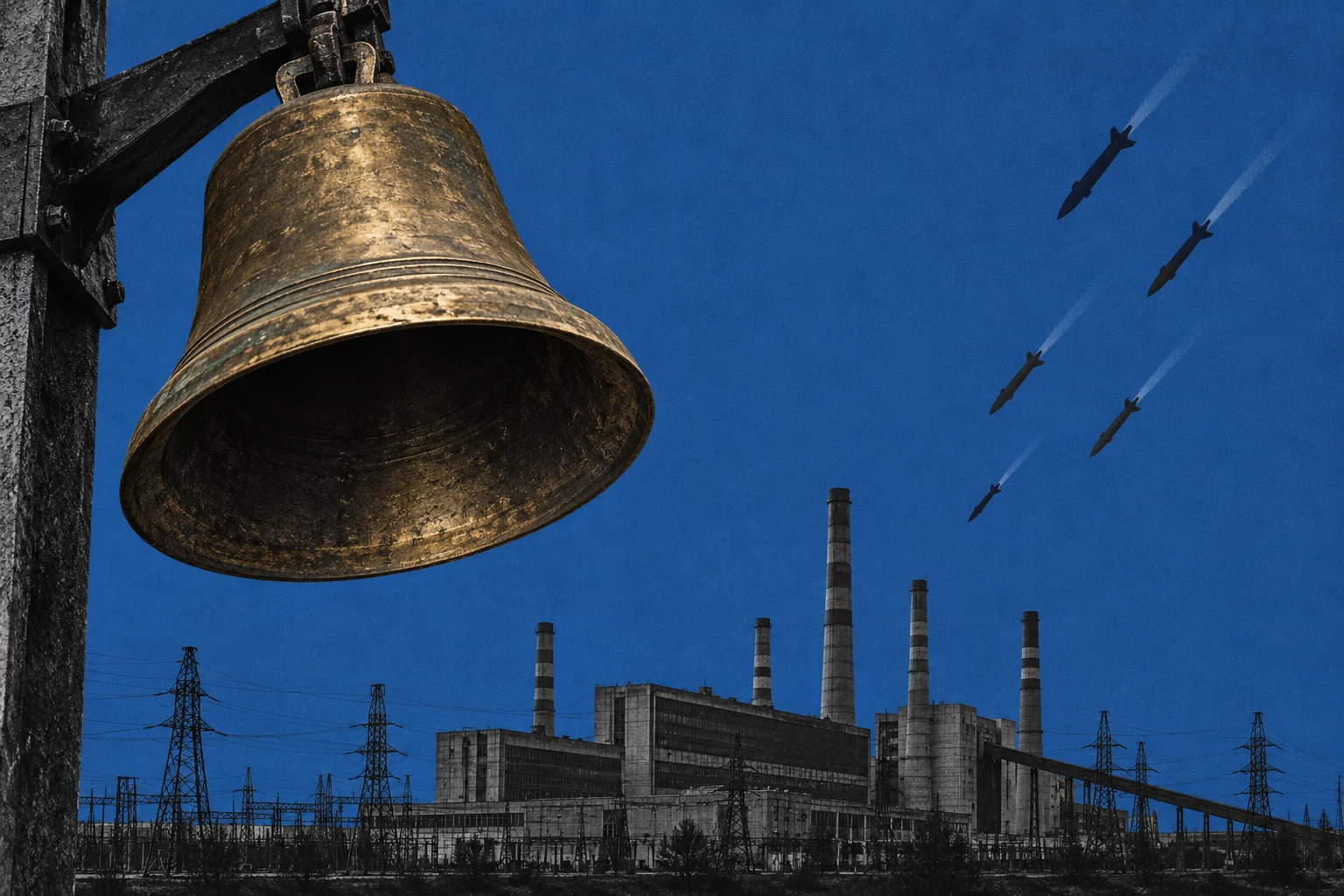
On October 14 Russia launched 850 drones and 39 missiles in 24 hours and hit 30 energy targets in 19 regions. “This level of blatant disregard for the United States by Russia has not been seen before,” Zelenskyy said. CNBC reported that day that Ukraine was warning the new satellite limits were disrupting its military operations.
A hundred miles an hour
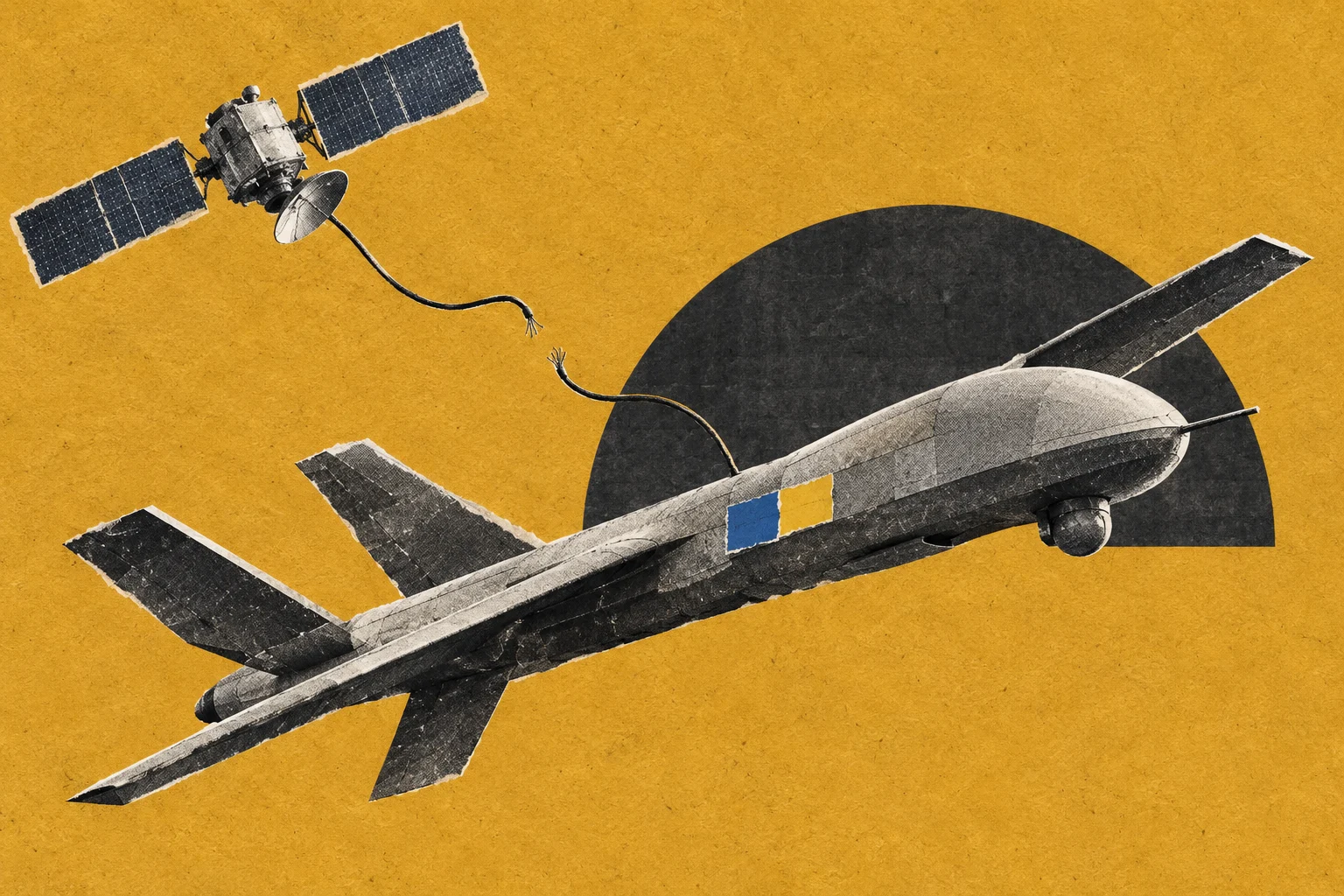
The limit came from Starshield, the military arm of SpaceX’s Starlink network. Navigation was capped at 160 km/h (100mph). Above that speed Ukraine lost track of its own interceptors, and Russia’s jet-powered Geran-4 drones fly at more than 500 km/h. Six out of every ten Russian drones are now jet-powered, according to Zelenskyy. As the Kyiv Independent reported, the restriction arrived without warning. Zelenskyy’s adviser Serhii Beskrestnov said: “This cannot be a coincidence.”
Elon Musk, who owns SpaceX, pointed up the chain of command. “Starshield systems are owned and controlled by the US government. Any limits on speed or usage are decided by the US military and ultimately POTUS,” he wrote. CNN, citing two US officials, reported that the decision was not taken at a senior policy level. So the order was given, and nobody in authority will say they gave it.
The cost showed up in Ukraine’s own figures. The Unmanned Systems Forces normally carry out about 2,300 strikes a day. That fell to 1,678 on October 14 and 1,053 on October 15. In September alone the military said it had hit 40 Russian command posts and 50 logistics facilities, and the air force had shot down more than 4,700 drones and missiles. Interceptors that cannot find their targets are no defence against attacks on that scale.
Sources at the Defence Ministry said service began returning to normal on October 15. The Record reported that connectivity on the move had been restored but the formal speed limit was still in place, and Mykhailo Fedorov called lifting it entirely “critical for Ukraine’s defense.” Kyiv has seen this before. In March the United States stopped sharing intelligence, and that helped Russia retake the Kursk region, where Ukrainian troops had crossed the border.
Vivaldi
Meanwhile the ground war went the other way. Andrii Biletskyi, commander of the Third Army Corps, said the fourth phase of Operation Vivaldi in Donetsk had taken back another 100 sq km. That brings the total to 275 sq km and 16 settlements since August, up from 176 sq km reported earlier this month. It also leaves Russia’s gains for the whole year close to nil. Vivaldi was designed to blunt a Russian push on Lyman. A second counteroffensive further south pushed back against an attempt on Dobropillya. Kyiv read the two Russian efforts as the arms of a pincer meant to close around the fortress cities of Sloviansk and Kramatorsk.
The Institute for the Study of War counted what happened next. Russian attacks in the Sloviansk direction averaged “around 14 attacks per day” in August, five in September and three so far in October. Toward Kramatorsk they fell from about three a day to one, then to “only an average of 0.3.” On October 15 the ISW also accused the Russian Defence Ministry of claiming offensives near Sloviansk, Kramatorsk and Semenivka, settlements far beyond any confirmed Russian advance. Fewer assaults did not mean safety. On October 13 Russian forces shelled Donetsk settlements 32 times, killing three people and wounding 17, and Sloviansk and Kramatorsk were hit hardest.

“Ukraine’s positions on the front remain strong, and this year they are the strongest they have been in a long time,” Zelenskyy said. He also said Russian forces outnumber Ukraine’s six to eight times in parts of the front and appear to have been reinforced. Robert Brovdi, who commands the Unmanned Systems Forces, said Russian casualties in the first two weeks of October rose 25 percent compared with the same weeks of September, and almost 60 percent compared with August. Around Dobropillya they were 43 percent above September’s rate and double August’s. Many of the men brought in as reinforcements are being killed.
Ukraine’s long reach
Ukraine builds much of its own reach now, with drones it designs and produces with European partners. The Defence Ministry said its 2026 orders were half as large again as 2025’s, and deliveries almost four times larger. Kyiv observed the energy ceasefire for three days and went back to hitting Russian refineries on October 15. Non-energy targets were never covered. Ukraine struck an explosives and rocket-fuel plant in Nizhny Novgorod on October 9 and a missile-fuel additives plant in the Tver region. On October 15 it destroyed four Sukhoi fighters and damaged two more at Borisoglebsk airfield in the Voronezh region. Between October 8 and 11 it destroyed or crippled Yandex data centres in Sasovo, Kaluga and Vladimir, and on October 14 it hit one belonging to Sberbank. Across Russia, people found they could not pay online.
In Kyiv the power plant was dark and the interceptors had lost their satellites. Ukraine’s own strikes, meanwhile, were cutting off ordinary Russians from their banks and payment apps. In both countries the people paying for the war had no say in any of these decisions.