
On Sunday, 11 October, a new rule for the war between Russia and Ukraine was announced on social media, partly in capital letters. “Effective immediately, there is an ENERGY CEASEFIRE in the War between Russia and Ukraine. Both parties have agreed,” President Donald Trump wrote, as Al Jazeera reported. “Do not break it! Thank you for your attention to this matter. President DONALD J. TRUMP.”
The post did not say how long the truce would last or who would enforce it. It did not say which power stations, substations and refineries it covered. And at least one of the two parties said to have agreed did not appear to know about it.
A truce learned from the news
Volodymyr Zelenskyy told Axios he had heard of no such deal. NBC News reported that he called the claim “news for me.” Then he did what a leader who depends on Washington cannot avoid doing. He accepted a gift he had not ordered. “If President Trump negotiated it with [Russian President Vladimir] Putin – please tell us when the ceasefire begins – we are ready and we will accept it,” he said. On Telegram he wrote: “Ukraine supports the ceasefire, and it is important that Russia support it as well. We are awaiting details from the American side.”

Moscow did not immediately confirm anything. Only ten days earlier, Putin had ruled out a truce on strikes.
The price of diesel
Sunday makes more sense read from Friday. On Friday Washington agreed to lift sanctions on Russian fuel. Trump said Russia would “immediately” release 300,000 tons of diesel, followed by 500,000 tons in November and another million after that, in the arrangement with Moscow. Diesel prices have stood at record highs since the United States went to war with Iran in February. Trump blames the war in Ukraine, not his own war, for the global fuel shortage. According to CBS News, the deal is meant to bring fuel prices down before the midterm elections.
One might reflect that this is an old pattern. A distant war looks different from a capital that watches the price at its own pumps. The front is far away. The price at the pump is a domestic problem, and so the war comes to be treated as a fuel problem.
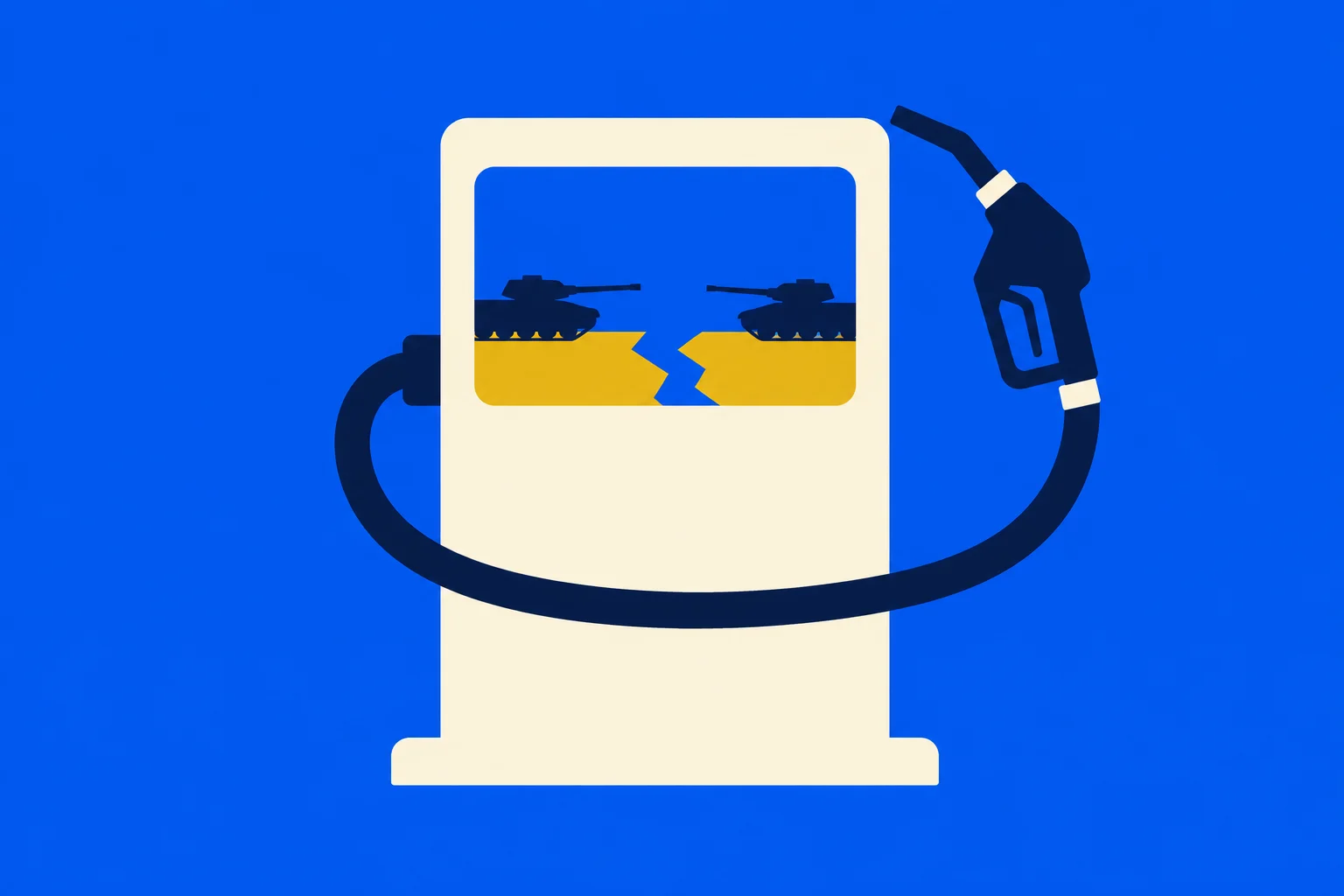
Ukraine had been sending drones against Russian oil refineries, and Zelenskyy had vowed to keep doing so. On Saturday Trump turned on him. “He better damn well stop,” the American president said, and he suggested that Ukraine needed a different president. “I suggest they get a new leader who can make a deal, because he could have made many deals.”
Zaporizhzhia
That same Saturday, a Russian strike on Zaporizhzhia killed 16 people, among them a six-year-old girl. The city has been bombarded more and more heavily in recent months.
Zelenskyy linked the dead to the diesel. Russia, he said, had shown its gratitude for the American arrangement “by dropping five glide bombs on residential buildings in Zaporizhzhia.”
Russia perceives any easing of pressure as a signal. Different signals are needed.
On the question of who should govern Ukraine, he said “it’s up to Ukrainians,” and pointed out that Putin also wants a change of leadership in Kyiv. Then he named his price for a vote. “Please tell Putin, give us two months, 60 days of total ceasefire, 60 days, and we will organise elections,” he told ABC News.
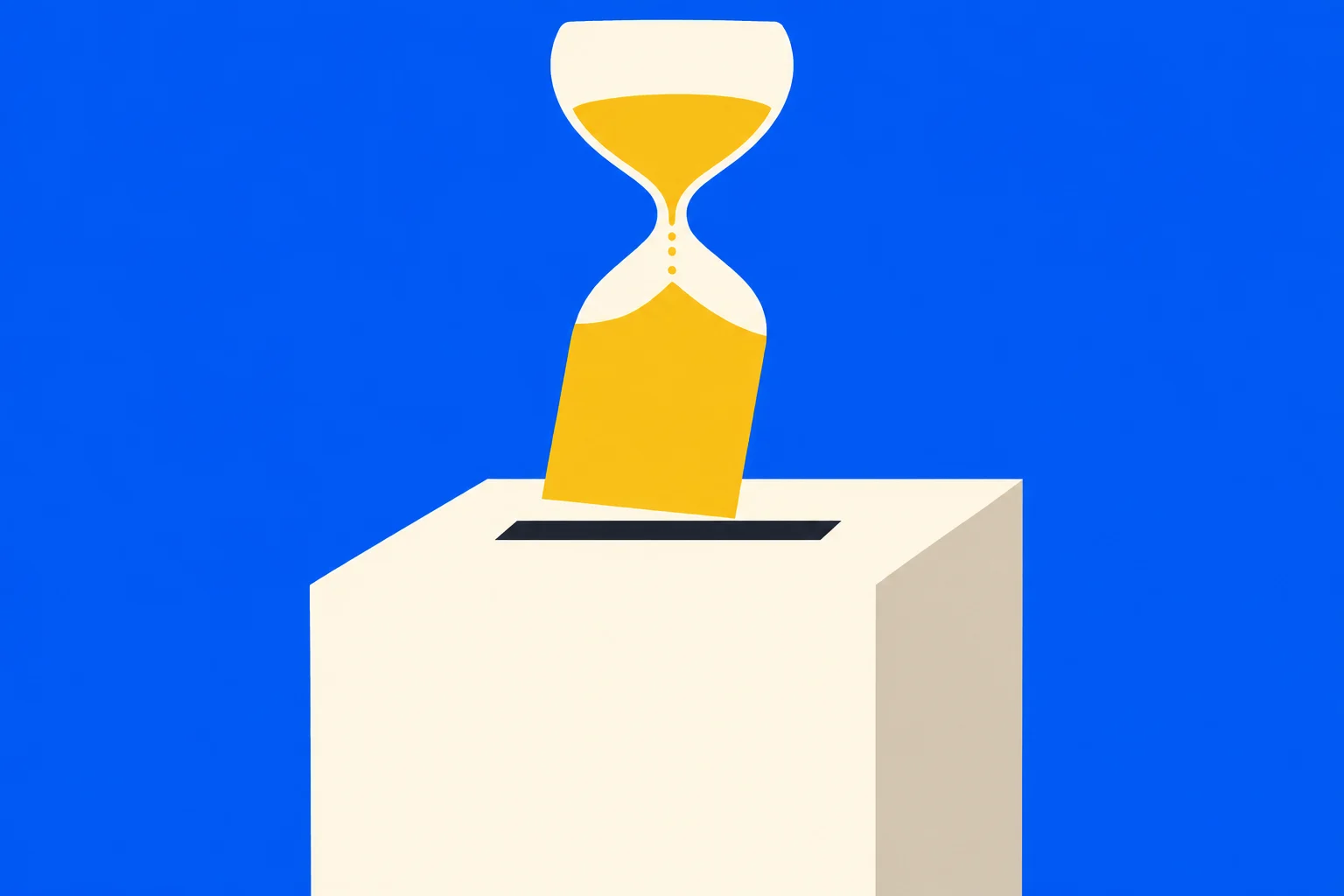
Kyiv had asked for sixty days of quiet along the whole front. What it got was a truce limited to the energy war, announced in one post, with no terms.
Even so, Zelenskyy had set out the trade himself. Earlier on Sunday he said Ukraine would stop hitting Russian refineries if Moscow stopped targeting Ukraine’s power grid. On ABC’s This Week he put it more simply: “We are ready for energy ceasefire, not to attack energy — both sides.” And then, more directly: “Don’t attack us. Don’t kill our children. We will stop attack your diesel.”
Announced before
This has happened before. NBC News reported that Trump made a similar claim about a month ago. Afterwards both countries kept striking each other’s energy facilities from the air. In March 2025 the Kremlin said Putin had agreed to an American proposal to pause attacks on energy infrastructure for 30 days, and Kyiv said it was ready to do the same. The war went on.
The post of 11 October gave no start time, no end date and no list of targets. It gave one order, addressed to two armies and to whoever else was reading: “Do not break it!”