

On Thursday, 12 November, a man who had run his company for more than three decades stopped running it. On the same day, on Capitol Hill, a congressman from Florida stood in front of reporters and explained what that meant for the law.
Brian Mast, the Republican who chairs the House Foreign Affairs Committee, said it was “very likely” that a package of bills putting new limits on the export of advanced American chips to China would be attached to this year’s annual defense bill, the measure Congress has to pass every year. His committee oversees export control policy. He was speaking hours after Jensen Huang resigned as Nvidia’s chief executive, following revelations of an extramarital relationship with a woman who may have been a Chinese spy. The scandal, Mast said, had given the effort momentum. That is how POLITICO’s Jasper Goodman reported it, in a story carried by Business Insider.
Then the chairman said the sentence that will follow him around:
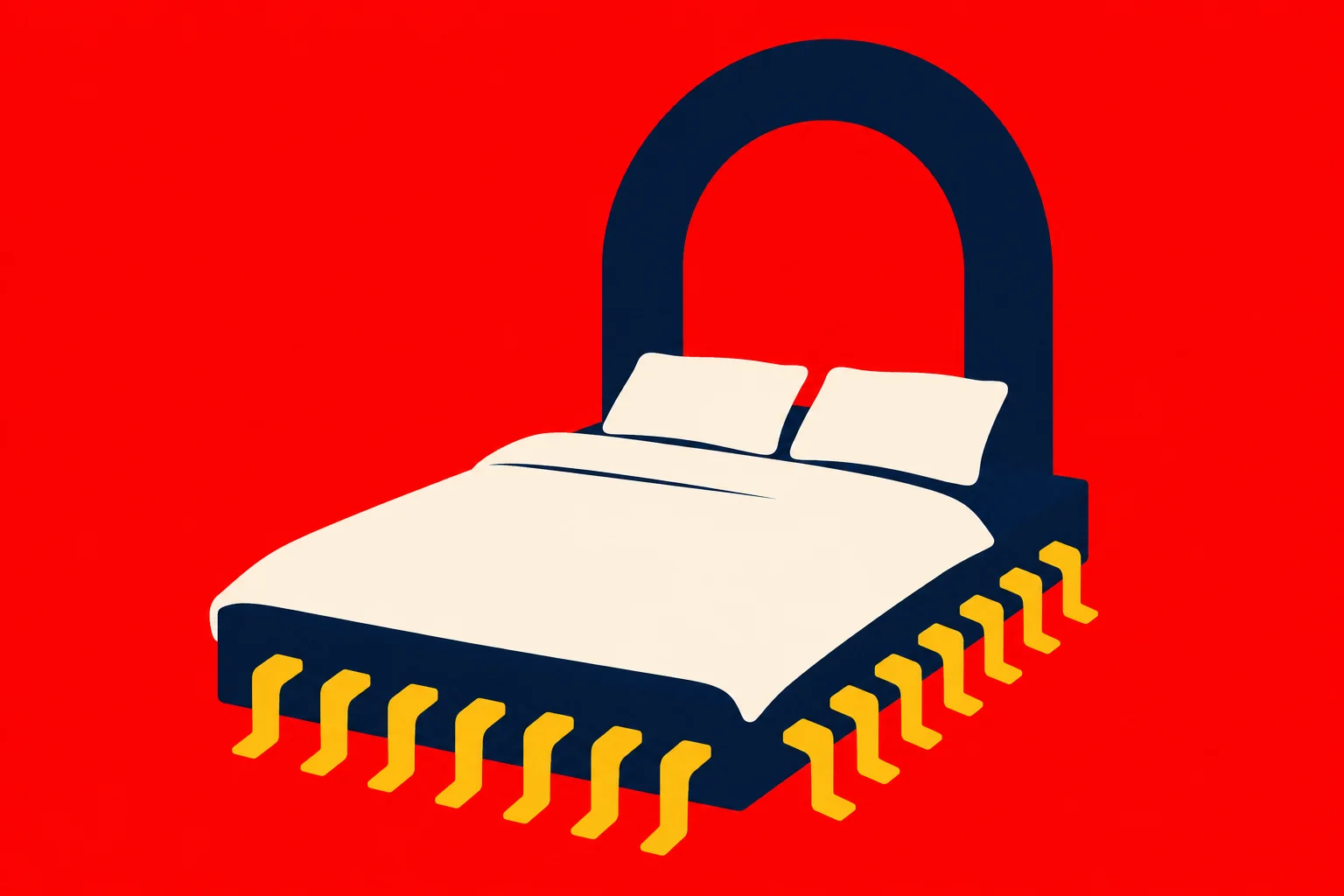
“If he doesn’t know who he’s in bed with, he doesn’t know where all the chips are going either, and we know that for a fact.”
A company without its founder
The fall happened fast. According to CNBC’s live coverage, Huang left his posts as chief executive, president and board member effective immediately, and the chief financial officer, Colette Kress, was named interim CEO. Only two days earlier the board had opened an investigation into its own chief executive. Australia’s ABC News reported that, according to The New York Times, US intelligence had concluded the woman, Alice Huang, a former managing director of Megaspeed, was gathering information for China. Beijing denies the spying allegations. Nvidia has said it had “no reason to believe” national security or company secrets were compromised.
A private life, a security question and a share price all fell together. In the capital, though, the more lasting change may be political.
Three bills, one vehicle
Lawmakers are weighing three chip-control measures for the defense package. The best known is the Chip Security Act, which goes after smuggling by requiring advanced chips to carry mechanisms that verify their location. The House version of the bill gives the Commerce Secretary 180 days after enactment to require such mechanisms on covered chips. The second measure would tighten rules on chip-making equipment and push foreign governments to adopt restrictions matching Washington’s. The third would let Congress review licenses for advanced AI chip sales. Fox News reported that the Senate Banking Committee has jurisdiction over the bills under discussion, which it named as the AI OVERWATCH Act, the Chip Security Act and the MATCH Act.

Washington has been here before. In December 2025, as Bloomberg reported at the time, Congress turned down a bid to curb chip exports in that year’s defense bill, a lobbying victory for Nvidia. A year on, the company that won that fight has lost its founder, and the hawks who lost it are moving again.
The obstacle sits in the White House. President Donald Trump has been cool to tighter export restrictions and earlier approved deals that let Nvidia sell more of its high-end chips to China. A defense bill is a large thing to veto. That is exactly why legislators like to attach the measures a president dislikes to it.
Confidence, in degrees
Mast was then asked about the officials who carry out chip policy, and he handed out his confidence carefully. Commerce Secretary Howard Lutnick, under growing scrutiny over the administration’s handling of chips, still has it. Jeffrey Kessler, the Lutnick deputy who heads the Bureau of Industry and Security, the Commerce Department office that grants and refuses export licenses, did not get it.
“I’m not going to answer that yes or no. It’s something that — you know, he’s been most granular on this level and a lot of things about where chips can and can’t be sold to. That’s been more of an argumentative dynamic.”

That kind of answer gets taken as a no. Mast added that he “absolutely” wants to investigate what role BIS played in the Nvidia affair. It is an office whose job is to know where American chips go, and rews has already reported on Nvidia hardware turning up at a Chinese defense university that has been on the blacklist since 2001. A BIS spokesperson did not immediately respond to a request for comment.
A reflection, offered only as one: a bureaucracy that issues permissions rarely gets blamed while the permissions are being granted. The blame comes later, when someone goes looking for a culprit, and an office is easier to blame than a president.
A week, or a subpoena
What Mast wants most is Huang himself, in a room, soon. He has already joined other committee leaders in asking the executive to explain himself. “We want to see him basically in a week,” he said. “Sooner rather than later.” He said he was negotiating with the former CEO’s team, and he did not rule out compulsion.
“If negotiations shut off and we don’t think they’re in good faith, OK, fine, do that,” he said. “I’ll just subpoena you for the next day. No big deal.”
Nvidia did not immediately respond to a request for comment. A man who could get presidents to listen to him on export policy may now have to answer a summons. And the law he spent years arguing against may pass partly because of what happened to him.