
On Sunday, 1 November, Bulgaria voted for a second time in eight days to choose a president. The office has little formal power and is largely ceremonial. Yet the campaign was fought over the largest questions a small country on the Black Sea can face: what to say about Russia, and what to do about ships going down off its coast.
Two candidates were left in the run-off. As AP and Reuters reported for Al Jazeera, President Iliana Iotova, 61, won the first round but did not reach the 50 percent needed to win outright. Her opponent is Andrey Gyurov, 50, who served as caretaker prime minister earlier this year.
The arithmetic of absence
The most telling number from the first round, on 25 October, was not a candidate’s share. It was the share of citizens who voted at all. Bulgaria’s Central Election Committee put turnout at 22.98 percent, according to Balkan Insight, which reported that nearly 6.6 million people were eligible. That means roughly one and a half million ballots were cast. The Kyiv Post called the turnout a record low.
Iotova took 34.7 percent and Gyurov 31.9 percent, a gap of under three points. Twenty-seven candidates had entered the race.
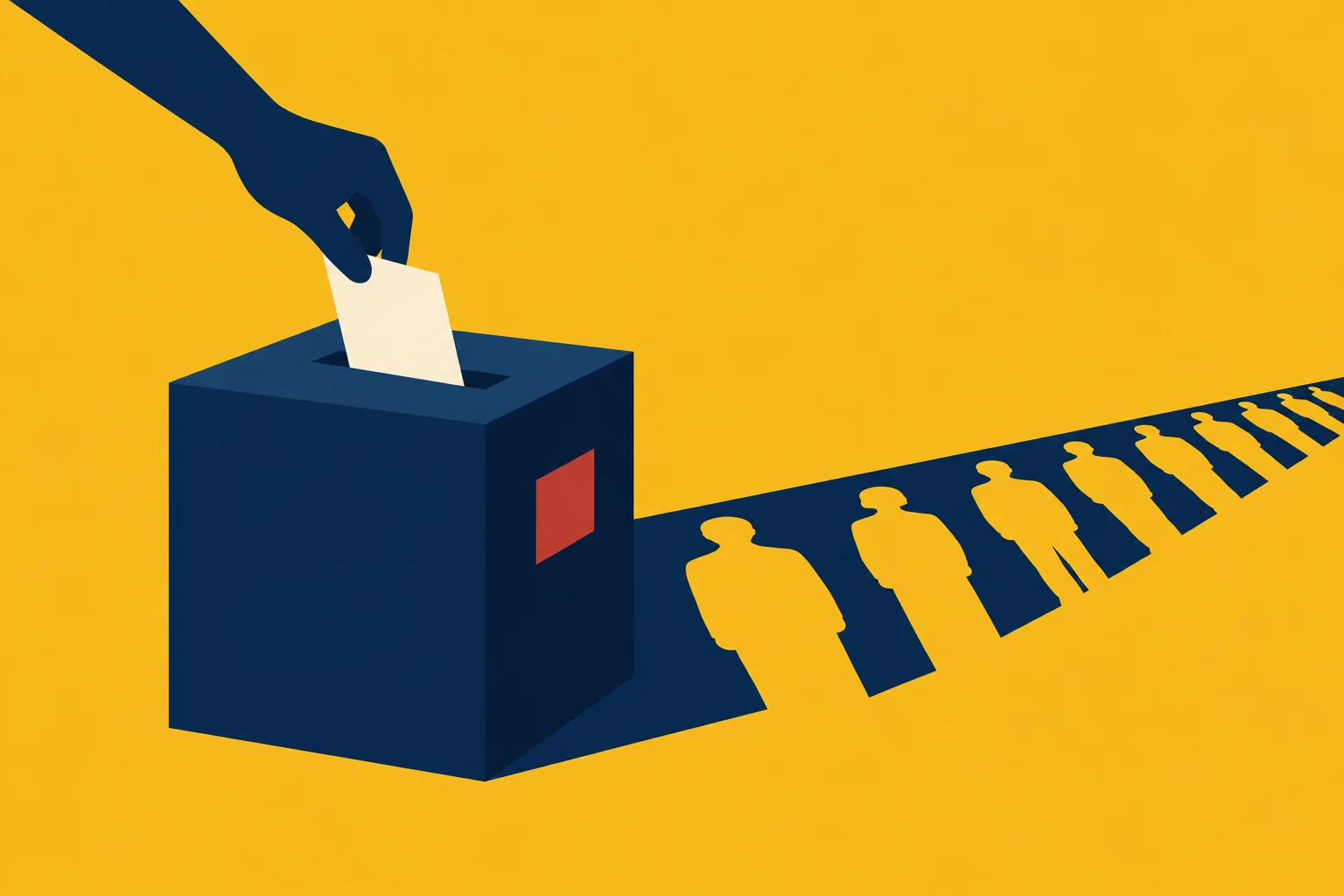
A state can keep running on the votes of less than a quarter of its people. Bulgaria has had years of repeated elections and caretaker cabinets, and many citizens seem to have concluded that the polling station does not change much. That is a reflection, not a finding. But the first round’s numbers do not argue against it.
Two inheritances
Iotova was Rumen Radev’s vice-president from 2017. In January Radev resigned the presidency to run for parliament, and she became acting president. In April’s snap election his party, Progressive Bulgaria, won on a platform many analysts considered friendly to the Kremlin, and Radev is now prime minister. He backs Iotova. So do Progressive Bulgaria, the Bulgarian Socialist Party, which she once belonged to, and the nationalist VMRO. If she wins, she will be the first woman elected president of Bulgaria, and Radev’s hold on power will tighten.
Gyurov is a banker. He is supported by the pro-EU opposition parties Democratic Bulgaria and We Continue the Change, which he used to belong to. Right-leaning figures, including former prime minister Boiko Borisov, have also endorsed him. He has long supported Ukraine. As caretaker premier he signed a ten-year security cooperation agreement with Kyiv. He says he wants Bulgaria to be a dependable NATO ally that defends its interests through strong diplomacy and a firm stance. Formally, both candidates are running as independents.
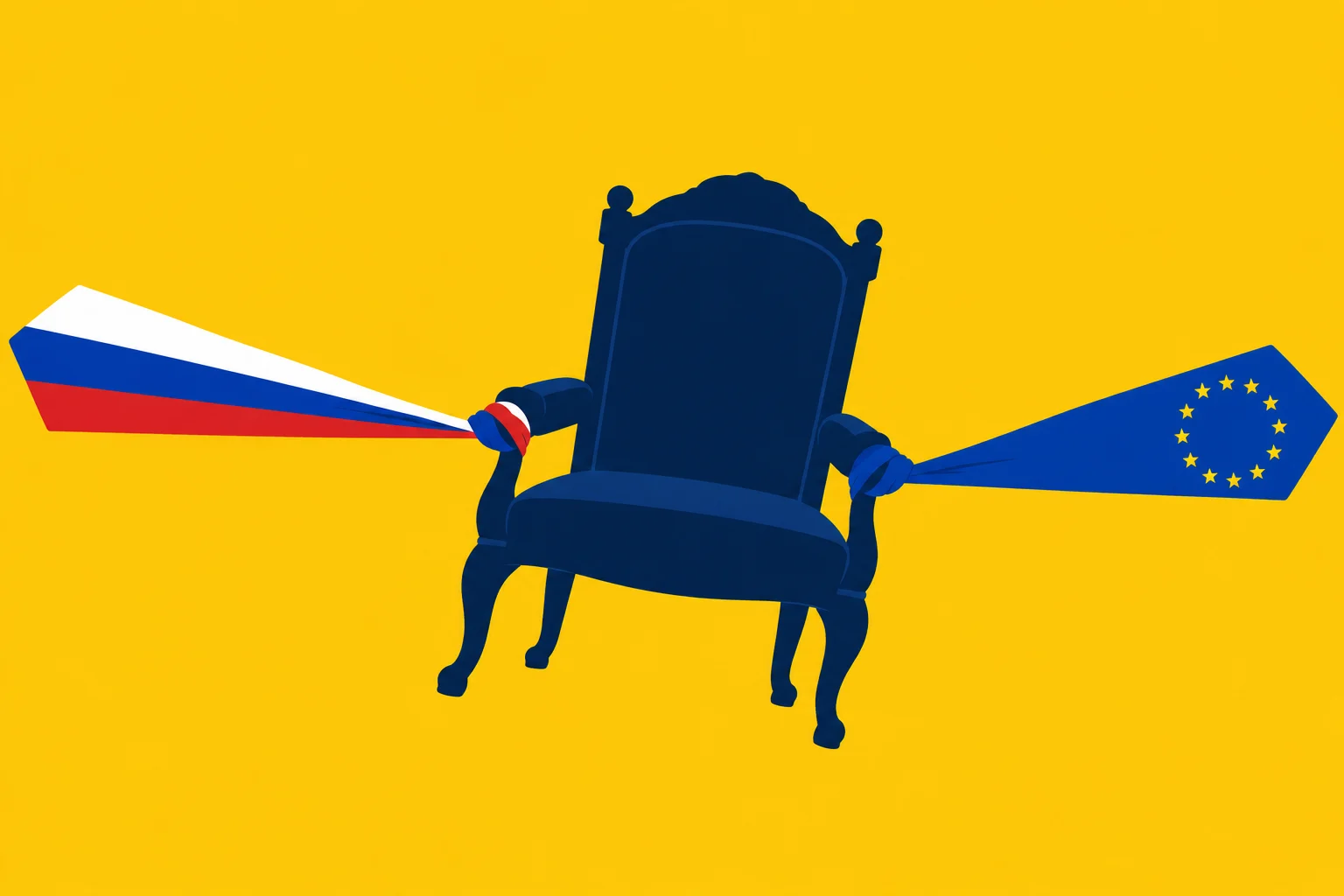
France 24 reported that Iotova favours dialogue with Moscow and opposes military aid to Ukraine. Both candidates say they want the war to end through diplomacy. They disagree about who should be named as the one waging it.
The sea
For the past month, drones have been hitting merchant ships off Bulgaria’s coast. The attacks have drawn international condemnation and fears that Russia’s war on Ukraine is spreading into these waters. Around two dozen seafarers are feared dead. On Wednesday, sea drones struck a Greek container ship and it sank. The government has asked its allies to help strengthen maritime security, and NATO has since sent patrol planes, radars and drones to the region, after ships were sunk off Bulgaria and Romania.
Both candidates condemned the attacks. The difference was in what they left out. Like Radev, Iotova has stayed vague about whether Russia played a part, and the government has been criticised for its reluctance to name Russia as the aggressor. In the 29 October television debate, Gyurov attacked her for not explicitly blaming Moscow. She replied that “peace can come only through negotiations”.

Iotova also attacked Gyurov over the Kyiv agreement. She criticised his old party for pushing in 2022 to diversify Bulgaria’s gas supplies after Gazprom stopped deliveries. In the campaign, the drowned sailors, the gas pipes and the treaty with Zelensky all served as evidence for one side or the other.
The machinery
After the first round, the government was accused of using official channels to promote Iotova and of speaking to election reporters in a domineering way. On 30 October it announced that the election committee had found no wrongdoing. It said it had deleted the Iotova posts anyway, in case Gyurov’s team was “so sure this would help them in their campaign.” Balkan Insight noted the statement’s unusually ironic tone for an official communication.
The opposition accused the authorities of interfering with social media. Three satirical pages, some of which occasionally supported Gyurov, were repeatedly taken down and then restored. Iotova was also criticised for pardoning five convicted drug dealers since 2022. At least one of them was later arrested again for the same offence.
No candidate has won a Bulgarian presidential election in the first round. Officials expected turnout in the run-off to be higher than the 23 percent of a week earlier. Polls closed at 8pm local time (18:00 GMT), when exit polls were due, with results expected on Monday.