
Thursday, November 19, was the last day. Anyone who wanted to be president of El Salvador had until then to register with the Supreme Electoral Tribunal in San Salvador, and the man who already holds the office was expected to be among them. Nayib Bukele, 45, was set to formally put his name down for the election of February 28, 2027, as Al Jazeera reported. It would be his third consecutive term. Until recently the country’s constitution did not allow even a second.
There is a particular kind of election in which the result surprises nobody and only the procedure is news. This looks like one of them.
How the door was opened
The constitution used to bar a president from immediate re-election. In 2021 the Supreme Court removed that obstacle, and Bukele ran again in 2024 and won. In 2025 the Legislative Assembly, where his party, Nuevas Ideas, which he founded and leads, holds a commanding majority, approved an amendment permitting a third term. The same reform stretched the presidential term from five years to six.
The amendment did more than that. Its provisions, as summarised in the public record of the 2027 race, abolished the second round of voting and moved the presidential election forward so it falls on the same day as the legislative and municipal ballots. Bukele’s current term, which was due to run until June 1, 2029, will now end on June 1, 2027, two years early, so that he can begin a new and longer one.

Read as a reflection, not a finding: rulers seldom break the rules that bind them. They prefer to have them rewritten, by the proper bodies, in the proper order, so that every step can be called lawful.
He took his party’s nomination in July and is expected to run once more with Vice President Felix Ulloa. Opposition parties and rights groups say that scrapping the limits will let him gather power indefinitely, with no institutional checks left to stop him. The government rejects this, according to Reuters.
The price of calm
His popularity rests on a single policy. In 2022 the government declared a “state of emergency” against the gangs that had long terrorised neighbourhoods across the country. Police got sweeping powers of arrest, and key civil liberties were suspended. The measure was supposed to be temporary. It has been renewed for years. The government says the gangs have been almost dismantled, and for that a large part of the Latin American right has adopted Bukele as a model, a template other countries have started to copy in concrete, as in the 5,100-bed prison Costa Rica opened last month.
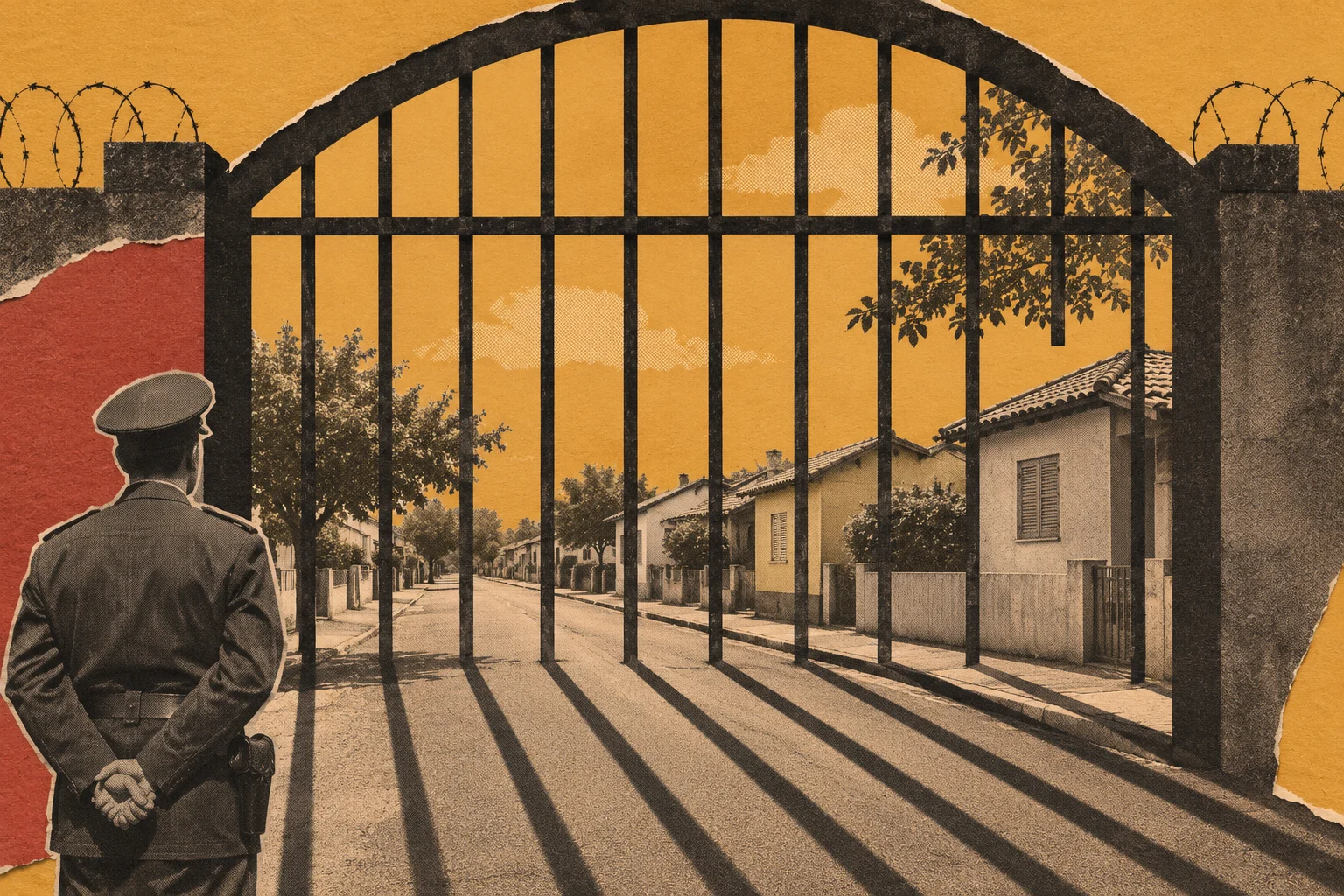
The bill has been paid by people whose names are rarely printed. Rights groups estimate that more than 1 percent of the population has been arrested, and that those who insist on their innocence get little due process. Some have been held without charge. Mass trials have sentenced hundreds of defendants at a time. Advocates describe abuse, torture and poor conditions as “systematic in Salvadoran prisons.”
There is a darker footnote to the story of victory over the gangs. The US Treasury has accused Bukele’s government of secretly negotiating with them and offering incentives in exchange for lower crime.
Those whose job is to watch power have found the work harder. Experts say activists and journalists face growing obstacles when they try to document abuses and corruption. Amnesty International says the human rights lawyer Ruth Lopez has been held in “incommunicado detention” for more than a year. A Foreign Agents Law lets the government restrict civil society groups that take money from abroad. Critics say this is state power turned against dissent. So far, the polls have barely moved.

The race
Two other names will appear on the ballot that matter: Maytee Iraheta of the right-wing Nationalist Republican Alliance, ARENA, and Rafael Aguirre of the left-wing FMLN. These are the two parties that took turns governing El Salvador for decades before Bukele swept them aside. Reports put his approval at around 80 percent, and he is treated almost everywhere as the clear favourite. With the run-off gone, a single Sunday in February will settle the presidency for six years.
His bid also comes as his soldiers fight beyond the country’s borders. Spanish-language outlets including Diario Libre noted that the filing came in the middle of El Salvador’s military offensive against gangs in Haiti, where more than 2,000 Salvadoran troops are reported to be deployed. The method at home has become something to export.
Elsewhere, people who once lived under the gangs now walk streets the government calls safe, and families of the detained wait outside prisons for word that may not come. In the electoral tribunal, a form with a signature on it marks the moment a temporary emergency and a temporary presidency start to look like permanent fixtures.