
On Wednesday, 14 October, President Laura Fernández opened a prison in San Rafael de Alajuela, inside the La Reforma penitentiary complex about 25 kilometres from San José. Its official name runs long, the way the names of such places usually do: the High-Containment Centre Against Organised Crime. The acronym is shorter, CACCO. Al Jazeera reported that it has room for 5,100 people, about a fifth of everyone the country currently holds behind bars.
The president did not talk about cells. She talked about models, and about how the world would see her country.
“The CACCO will force criminals to face a new model – a tough-on-crime model.”
Costa Rica, she added, “will become a global benchmark for prison security.”
A borrowed blueprint
The model is not new, and it did not start in Costa Rica. According to Reuters, the prison was built from plans donated by El Salvador and is patterned on CECOT, the Centre for the Confinement of Terrorism, the mega-prison at the heart of President Nayib Bukele’s crackdown on gangs. The copy is smaller. CECOT holds about 40,000 people, roughly eight times as many as CACCO. Justice Ministry figures reported by the Tico Times give the Costa Rican version five housing modules and 31,048 square metres of construction on a property of 90,846 square metres.

Fernández has made the prison the centrepiece of her government’s strategy against organised crime. Reuters described a country stepping up that fight after a surge in killings in what was long one of the safest places in Latin America. One could read it as a kind of reversal. A state that used to be known for what it did not have to build is now advertising what it has built.
The arithmetic
The numbers explain the urgency. Costa Rica has historically suffered less violent crime than its neighbours. Then it recorded 905 killings in 2023, a record, followed by 876 in 2024 and 873 in 2025. Over two years the toll fell by 32 deaths and then levelled off just below the peak. Analysts blame the violence partly on criminal groups fighting over drug routes.
The first transfers into CACCO are due at the end of October, according to Gabriel Aguilar, the minister of justice and peace. He describes the prison as part of a wider effort to retake control of a penitentiary system that, in his words, organised crime has infiltrated. It is a striking thing for a minister to say. Before the new walls can hold anyone, the government has acknowledged that the old ones were not holding the state’s authority.

The contagion
Costa Rica is not alone in this. Al Jazeera reported that Peru’s president, Keiko Fujimori, inaugurated in July, plans to visit CECOT before building a similar prison of her own. In Colombia, Abelardo de la Espriella took office in August after campaigning partly on a promise of 10 mega-prisons. In Brazil, Senator Flávio Bolsonaro has reached the presidential runoff on a platform that includes five mega-prisons modelled on El Salvador’s.
The original is easy to examine. Bukele imposed a “state of exception” in 2022 that widened the powers of the police and the military, and it has been renewed again and again since. It is credited with a steep fall in homicides. Rights groups say it has also brought serious abuses and has been turned against the government’s critics. It has meant mass arrests and mass trials, hundreds of defendants at a time, and some people held without charge. Critics point to overcrowding, violations of due process and alleged torture inside facilities such as CECOT.
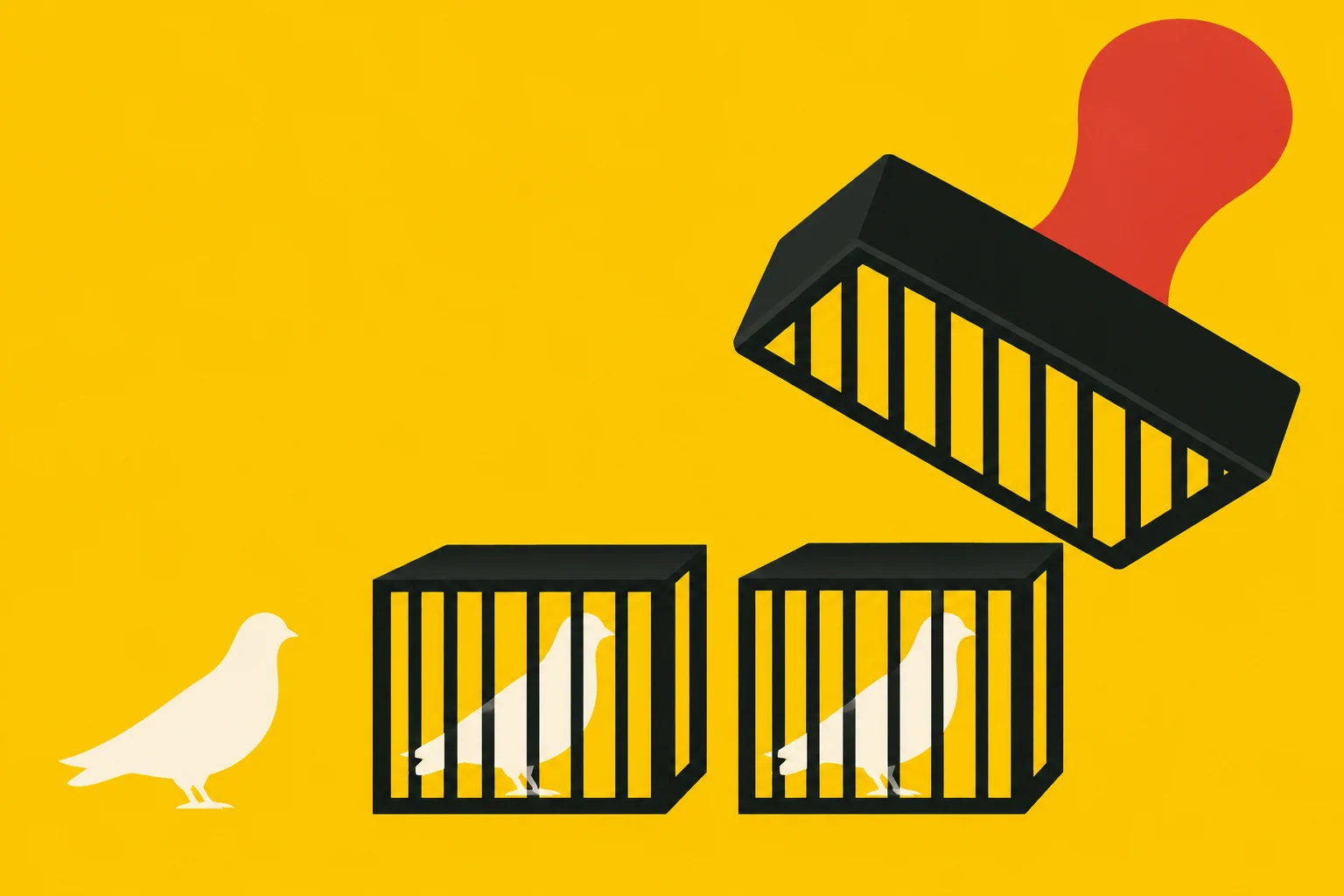
So the region is importing two things together, though only one appears on the brochure. The architecture comes with the falling murder rate. It also comes with the emergency decree, the crowded cells and the critics locked up beside the gang members. As crackdowns spread across the region, Al Jazeera noted, they have proven popular while often weakening key civil liberties. This pattern is old. Leaders tend to be judged on what they tear down and what they build. The freedoms that quietly disappear along the way rarely get counted in public.
What remains open
In Costa Rica the courts still have a say. The Tico Times reports that the prison’s strict rules already face two challenges before the Constitutional Chamber. Fernández, meanwhile, has looked abroad for help. She recently told Reuters that a greater US security presence would help Costa Rica confront drug trafficking and organised crime.
The buildings at La Reforma are finished. The first prisoners are due before the month is out, while the constitutional challenges to the rules they will live under are still pending.