
If you are sitting in Kyiv on a weeknight and a ballistic missile is on its way, the most valuable thing a superpower can give you is not a Patriot battery. It is a few minutes of advance notice: a phone alert that says something is inbound, get to a shelter, wake the kids. Notice that this costs the giver almost nothing. The satellite was already up there. The analyst was already watching. The marginal cost of telling Ukraine what American sensors see in the sky over Ukraine is a data transfer and a policy decision.
Which is what makes the pitch of an intelligence cutoff such an effective lever: the cost of denying it to you is nothing, and the cost to the person you deny it to is everything.
This week’s nightly Russian attacks on Ukraine killed at least 15 people and wounded dozens, and as Al Jazeera reported from Kyiv, outwardly they resembled hundreds of previous raids — same supernova-like blasts, same fires, same staccato of air defence answering back. The exception is the one people inside Ukraine keep naming: reduced missile warnings from the United States. The early notice that has helped Ukrainians get underground has been thinner this week, and it is happening while Donald Trump pushes an “energy ceasefire” he declared on Ukraine’s behalf, which neither side had publicly agreed to — and which Russia was reportedly violating within hours of its announcement.
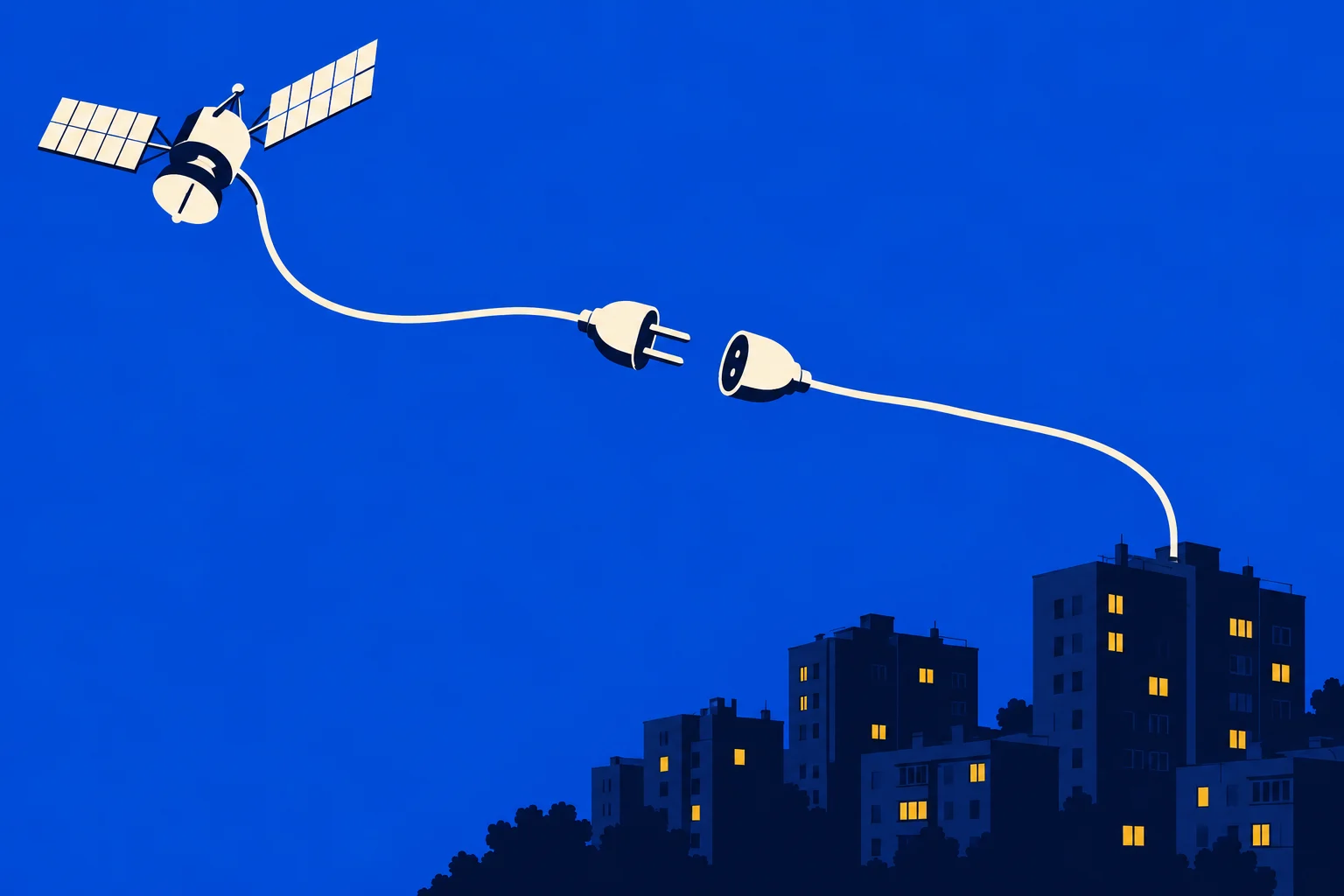
Think of early warning as a subscription service where you, the subscriber, also happen to be the product being defended. The United States watches missiles leave Russian launchers from orbit. For years it has chosen to share that feed with Kyiv, because the people under the missiles are, in Washington’s traditional reading, the good guys. What the fear in Ukraine now amounts to is the discovery that the service never had a termination clause the other way — that a country under nightly bombardment had built its civil defence, its sheltering habits, in part its probability of your children surviving Tuesday, on the continuing goodwill of whoever sits in the White House. There is no contractual guarantee. There is a relationship.
Sanction by silence
An intelligence cutoff is a strange sanction, because it is wholly invisible. You can’t photograph the warning that didn’t come at 3 a.m. Nobody posts a screenshot of the absence of an alert. It doesn’t show up in strike footage or on any ledger of arms deliveries. Its results appear only in a statistical column nobody wants to be in: civilians who were sleeping at home when the warhead arrived, because no one had told their government it was coming, because their government’s patron had decided — or was deciding, or was merely threatening to decide — that the relationship came with more compliance than before.
It is also a sanction of unusual precision. Stop shipping shells and the army rations shells; consumers of artillery sunsets know roughly how to spread the pain. Stop sharing warnings and the burden lands unsortable and indifferent, on whoever happens to be under the next ballistic arc — a hospital ward, a staircase, a block of flats. There is no military analogue: a rifle withheld delays a soldier; a warning withheld does not delay a missile. It only delays the people who might otherwise have been somewhere else when it landed.
Trump’s defenders would say — and it is the closest thing this arrangement has to a logic — that the leverage is the point, that the pressure is meant to hurry a country into a peace it won’t otherwise take. Maybe. The Ukrai</p>