
On Tuesday, two kinds of message crossed the Gulf. The first went through Doha: written proposals that Qatari mediators carried between Washington and Tehran, two capitals that will not sit at the same table. The second went by air to Qeshm Island, which lies in the Gulf close to the Strait of Hormuz, and it was delivered early in the morning. By evening both had been answered. Iran called the first unconvincing. The second has not yet had its reply.
As Al Jazeera reported, Tehran rejected the American response to its conditions for reopening the strait on the same day President Donald Trump confirmed the strikes on the island. Meanwhile Qatar worked harder to stop the two sides sliding back into war, and another oil tanker was hit in the waterway everything else depends on.
Seven conditions, two days
The verdict came from Mohsen Rezaei, secretary of Iran’s Supreme National Security Council, and he gave it on X. Washington’s reply, he wrote, “was not convincing.” The United States “must fully and explicitly address Iran’s seven conditions and act upon them”, and only after that would Hormuz open again. Iran’s state broadcaster Press TV carried the same line: the strait stays shut until the conditions are met.

The indirect talks turn on a single Iranian document, a plan to reopen the strait over two days if the United States accepts Tehran’s demands. Two of those demands are public: lift the sanctions and end the American naval blockade. Iran is offering forty-eight hours of open water in exchange for the end of a whole economic war. That is a large price for a short schedule, and the schedule is the part Tehran likes to repeat.
Two months of watching
Before Trump spoke, American officials had told US media the Qeshm strikes were “defensive” and had come after Iran fired on an American aircraft. That was the account the eve-of-election bombing was given on its first night. Then the president described it to Fox News in plainer terms. The target, he said, was an anti-aircraft facility.
They built an anti-aircraft facility. It took them about two months. We watched it get built. As soon as it was completed, we hit it last night.
He called it a “minor attack” that “wasn’t war.” He said: “I’m not looking to … kill lots of people.” Then he added: “If we have to, we’ll have to.” In a six-minute phone interview with the Financial Times he was more cheerful still: “We seem to be getting everything we want.”
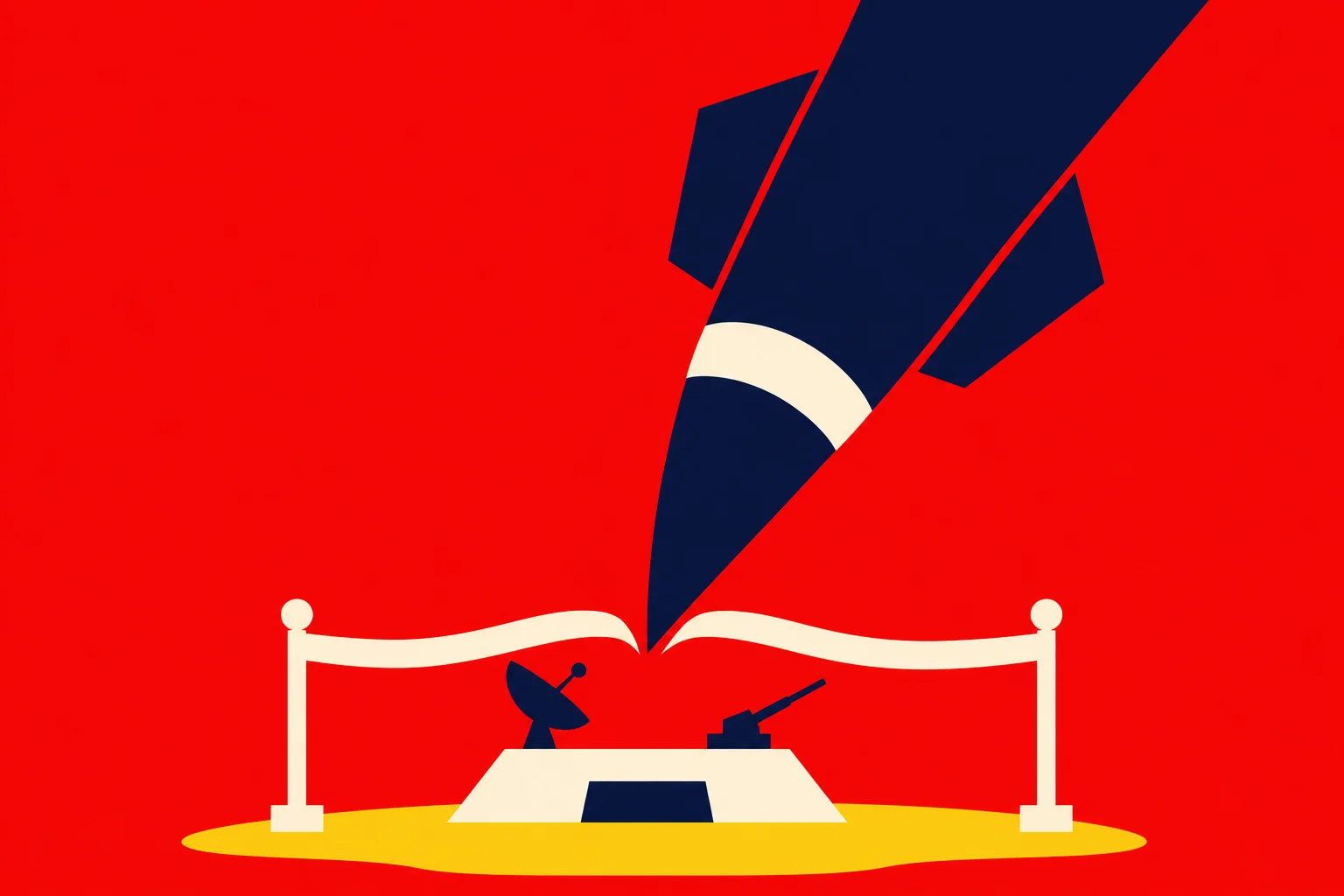
Here is a thought, offered as reflection and nothing more. Powerful men often say they have everything they want just before they ask for more. US media, citing American officials, reported that Central Command had drawn up plans for strikes that could start as early as Wednesday, the day after the midterm elections, when three American aircraft carriers would be in the region. The campaign had earlier been described as short and intense. CBS News reported that Tehran was playing down hopes of a deal after the new strikes.
The go-between
In Doha the tone was calmer. Majed al-Ansari, spokesperson for Qatar’s Foreign Ministry, said the talks were continuing and that both sides “remain committed to the negotiation process.” Qatar, he said, was facilitating the “real-time exchange of proposals between” the two countries. In this war, real time means something specific: a proposal and a missile can go out on the same afternoon, and nobody claims to find that strange.
The water
The sea had its own Tuesday. Britain’s UKMTO maritime agency said two unidentified projectiles hit a tanker’s engine room about 14 nautical miles (26km) northeast of Limah, in Oman. No casualties were reported. The ship’s name was not given.
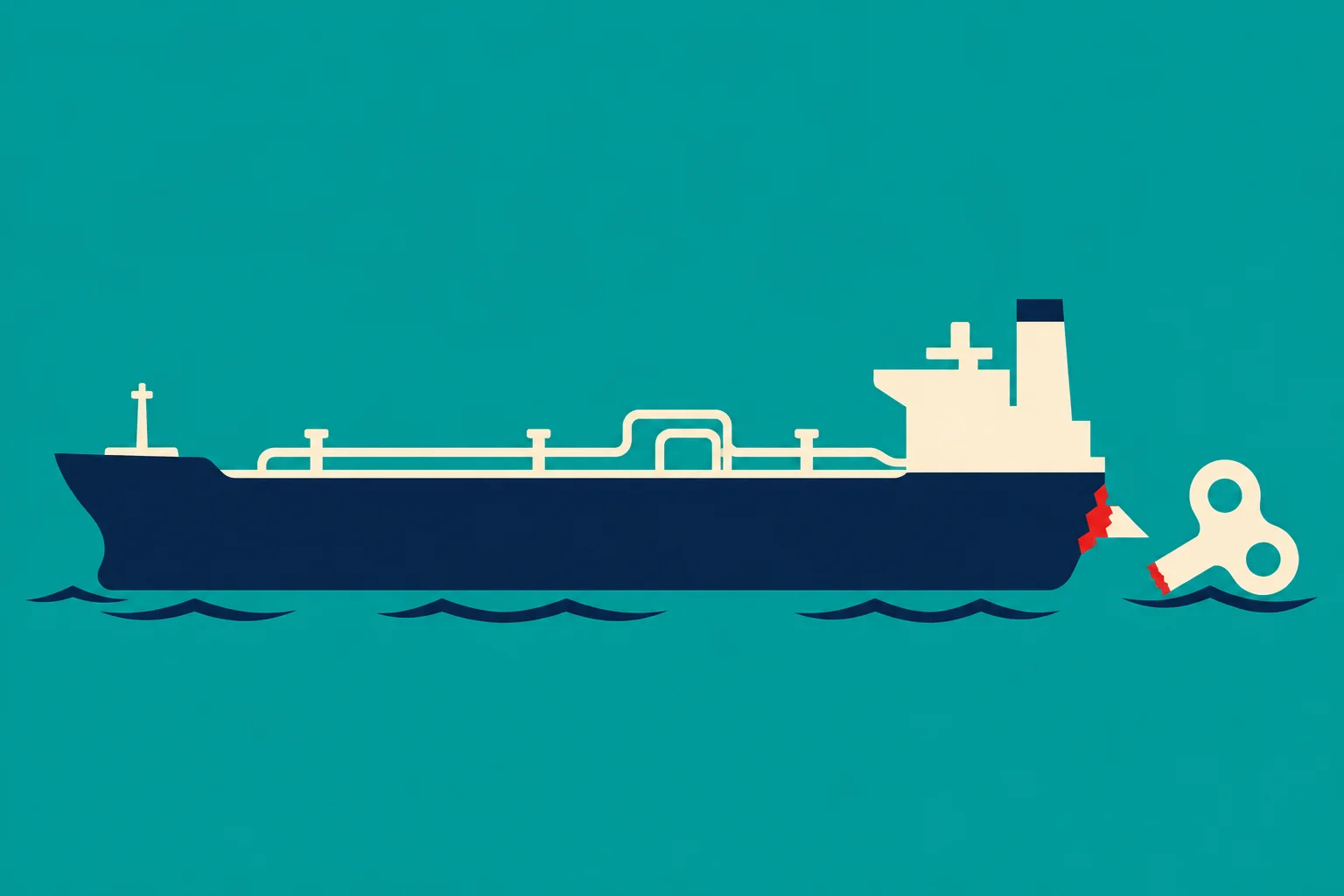
On Wednesday the Islamic Revolutionary Guard Corps made a larger claim. It said four oil tankers had been destroyed by naval mines while sailing through a prohibited lane south of the strait, that the four were still burning, and that two more vessels had been detained. Whether the Omani incident and the mined tankers were connected could not be independently verified. The crews on those ships, whoever they are, appear in the reports only as cargo and coordinates.
The IRGC also said it had brought down an American MQ-9 drone at 4:30am local time (01:00 GMT). It called it the 56th such aircraft it had shot down. That number belongs to the Guard alone, and the Guard keeps the count.
Orders without borders
In Tehran, Supreme Leader Mojtaba Khamenei ordered the armed forces to respond to threats immediately and without geographic limits, and to update their list of targets. Iranian officials suggested that European countries, and the undersea cables running along the floor of the Gulf, could be on it. A strait that is closed becomes a weapon. Cables carrying a region’s data are another one, laid quietly on the seabed.
The American political scientist John Mearsheimer asked the question that hangs over the next few days: “If the 40-day bombing campaign didn’t work, how is the three-day bombing campaign going to work?” He warned that Iranian retaliation could pull the United States into a longer war and damage the global economy.
Iran has offered two days to reopen the strait, and Washington is said to be planning three days of bombing. In Doha, the mediators keep passing papers back and forth.