
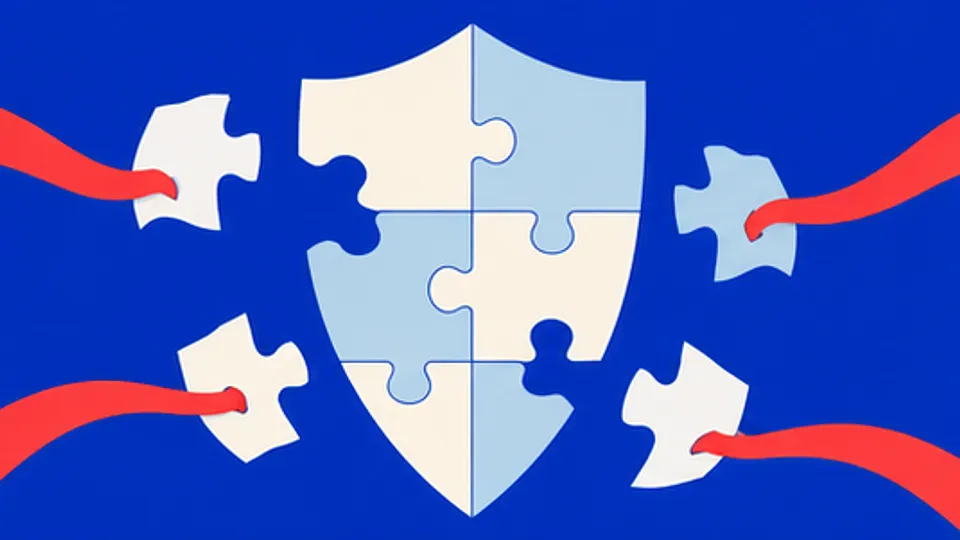
NATO’s collective-defence clause runs 97 words. Article 5 of the 1949 treaty commits all 32 members to treat an attack on one as an attack on all, each deciding for itself what help to send. That ambiguity is the point: an aggressor cannot know in advance how many of 32 governments will show up, or with what. Russia’s latest negotiating position, laid out by its diplomats in Abu Dhabi on November 10 and 11, is built to remove that uncertainty one country at a time.
The method is a document Russian officials call a non-paper: no letterhead, no signature, a way of putting terms on the table without committing to them. The New York Times obtained a copy from a participant in the talks and had its authenticity confirmed by a second person present, according to reporting picked up by Kyiv Post. Dated November 10, it asks NATO to pull troops and bases back to their 1997 positions — before the alliance’s first eastward enlargement — covering Poland and the Baltic states, and to rule out further enlargement or “any military activity” in Ukraine, Eastern Europe, the South Caucasus and Central Asia. It asks for an end to Western arms transfers to Ukraine, the end of NATO’s nuclear-sharing arrangement that lets the US station weapons in Europe, and a bar on France and Britain extending their own nuclear deterrents to other European states. It would let Ukraine join the EU only if Kyiv stays out of the bloc’s common defence policy.
Polish Prime Minister Donald Tusk, speaking in Dublin on November 12, called the terms a direct threat to Poland’s security, Kyiv Post reported. The demands largely repeat Russia’s December 2021 ultimatum to NATO, issued ten weeks before the full-scale invasion, which asked for the same rollback to 1997 lines and was rejected by Washington and Brussels. Two people involved in the Abu Dhabi talks told the Times the document reflects Moscow’s opening position and that Vladimir Putin could still move from it — the same thing Russian officials said about the 2021 list, before using its rejection to help justify the invasion.
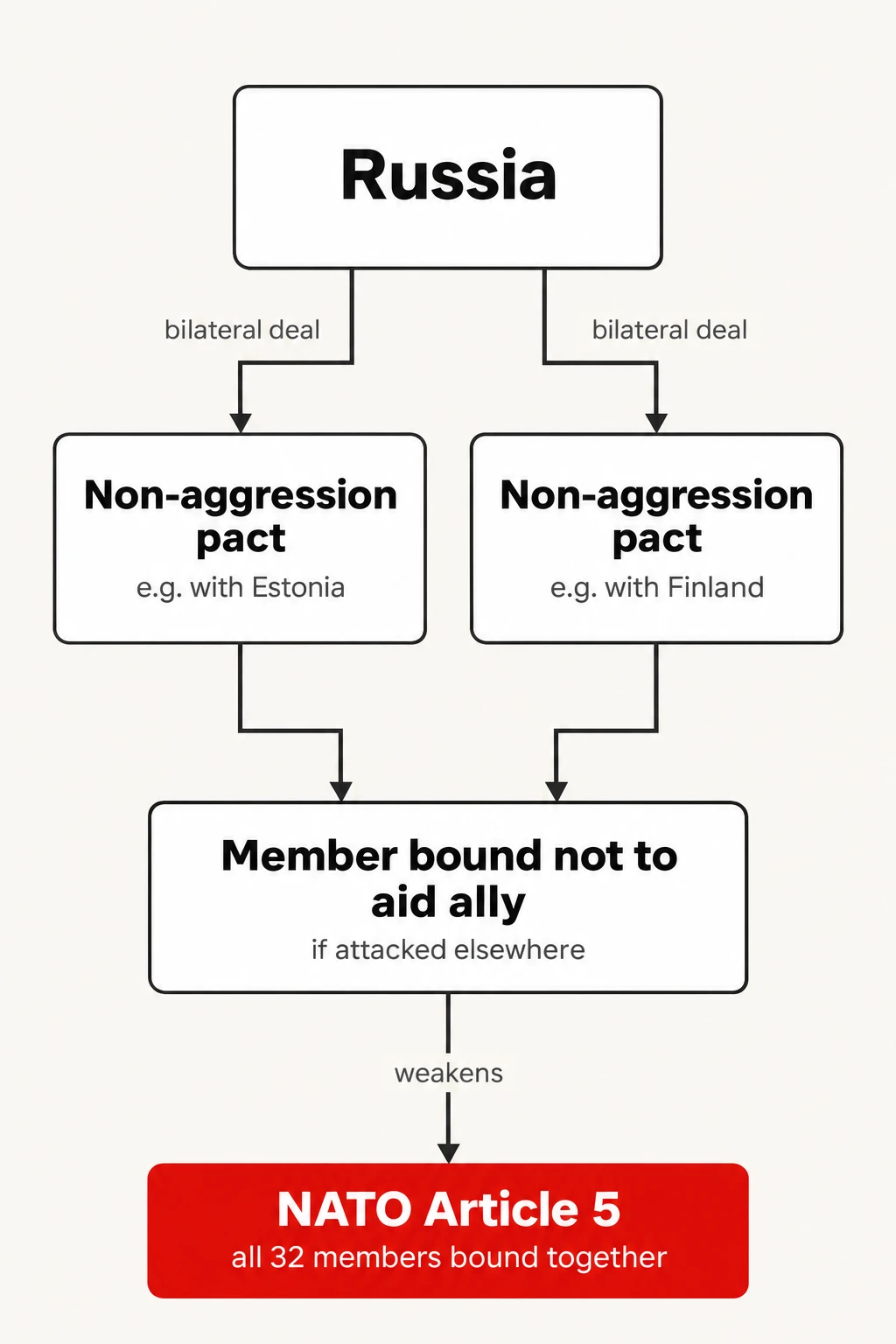
| From | To | How |
|---|---|---|
| Russia | Non-aggression pact (e.g. with Estonia) | bilateral deal |
| Russia | Non-aggression pact (e.g. with Finland) | bilateral deal |
| Non-aggression pact (e.g. with Estonia) | Member bound not to aid ally (if attacked elsewhere) | |
| Non-aggression pact (e.g. with Finland) | Member bound not to aid ally (if attacked elsewhere) | |
| Member bound not to aid ally (if attacked elsewhere) | NATO Article 5 (all 32 members bound together) | weakens |
Based on Al Jazeera, reporting Drobinin's November 11 remarks
Three models, one aim
Alexey Drobinin, head of foreign policy planning at Russia’s foreign ministry, set out the mechanism at a Moscow security conference on November 11. He described three possible templates for a new security arrangement: a full collective-defence or mutual-assistance treaty, of the kind Russia already has with Belarus and North Korea; a political commitment not to back the other side’s adversaries, as with Iran; or bilateral non-aggression pacts. It is the third model Moscow is pushing toward individual NATO states. “Agreements of this kind could be reached, among other things, with individual NATO member states, which would then receive, for instance, additional individual security guarantees” from Moscow, Drobinin said, as Al Jazeera reported.
Boris Bondarev, a Russian diplomat who resigned from the foreign ministry in 2022 over the invasion and wrote the book Time to Win the War, lays out the mechanics: a nonaggression pact would most likely bar its signatory from taking part in any future conflict between Russia and another European state. Sign enough of those and Article 5’s binding promise becomes, country by country, a non-binding one. “NATO will collapse, and European nations will [individually] be face to face with Russia,” Bondarev told Al Jazeera. “Europe will surrender to Russia without firing a single shot in its defence, without losing a single soldier or spending a single shell.”
Such individual deals are an absolutely blatant attempt to demolish Europe’s unity, which has already been bursting at the seams, and to undermine NATO’s unity.
That line is also Bondarev’s. The target audience for the pitch matters: Russia has not presented these terms to European governments, only to the two US envoys, Jared Kushner and Steve Witkoff, who represented Washington in Abu Dhabi. “Russians want to talk to Americans. They don’t want to talk to Europe,” Maria Kucherenko of Kyiv’s Strategic Intelligence Institute told Al Jazeera. Her read on the pattern, built from years tracking Moscow’s negotiating style: the maximalist opening list, paired with vagueness about the order of concessions, is a tactic Russia has used in each previous round.

Kushner, who with Witkoff ran the US side of the talks, described the state of play without much precision: “These deals are very hard and complex, and this one is very emotional, very complex. It’s a very hot war.” Davyd Arakhamia, Ukraine’s negotiator in every round since 2022, put it more plainly on November 11: “This round of talks was one of the most difficult ones. I believe the Russians came with very strict instructions, so it was really hard to ease the discussions.” President Volodymyr Zelenskyy’s response to the 1997-borders demand was that Putin “lives in a different reality” — “I can draw a picture for him too where I fully occupy Russia. But it’s not true,” he wrote on social media, adding at a press conference that “we are all very cautious with this topic because nobody really understands 100 percent what they want.”
The clock Moscow is watching
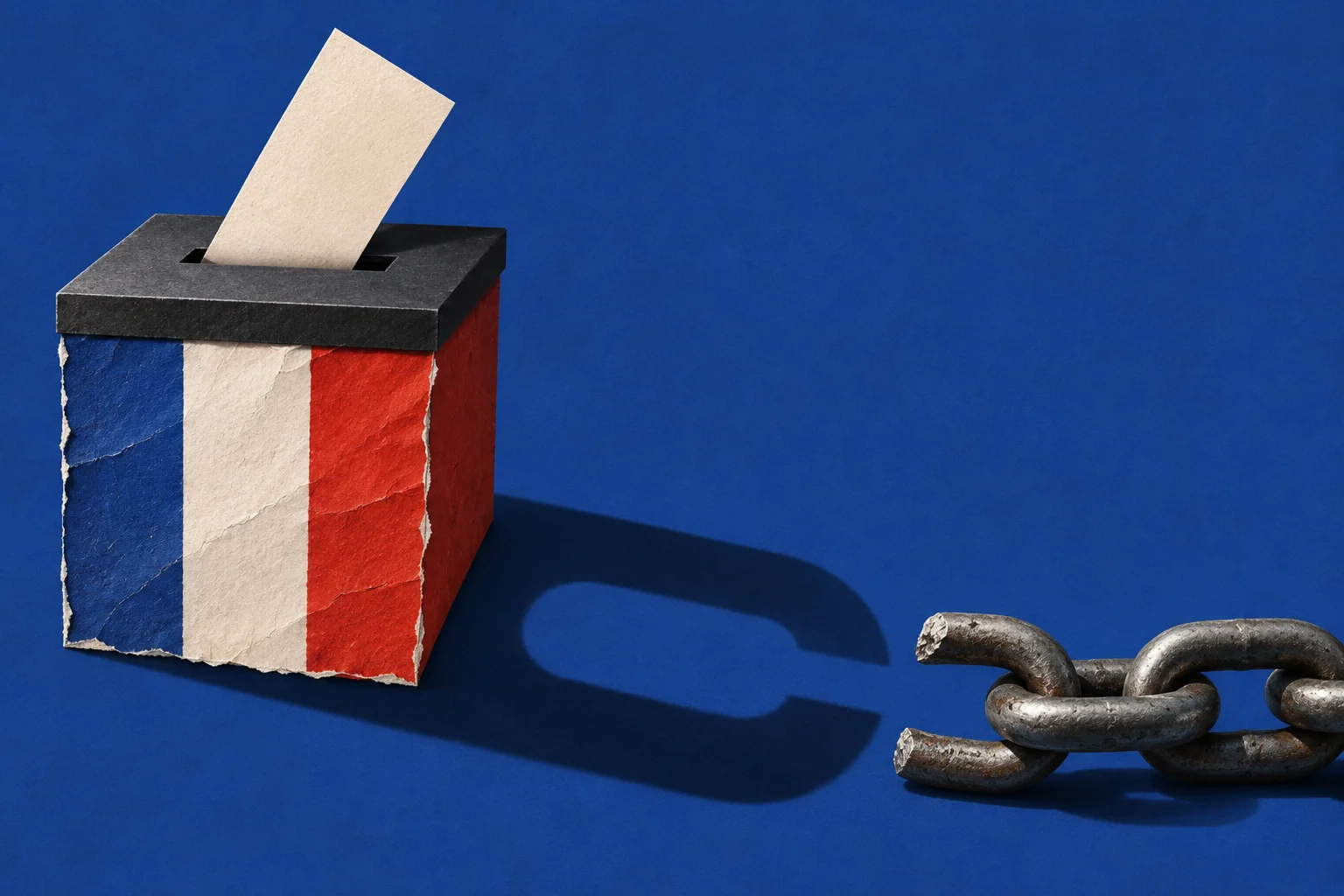
Stalling costs Russia little if the political ground in Europe is shifting its way before any deal is signed. Marine Le Pen leads every tested scenario for France’s April 2027 presidential election, polling 34 to 36 percent in the first round against her nearest rival’s low 20s, according to a Toluna Harris Interactive survey for M6 and RTL conducted November 3-5. She told the Financial Times on October 14 that she would end French financial aid to Ukraine within six months of taking office, arguing France “can’t manage more,” and her platform includes pulling France out of NATO’s integrated military command and lifting sanctions on Russia.
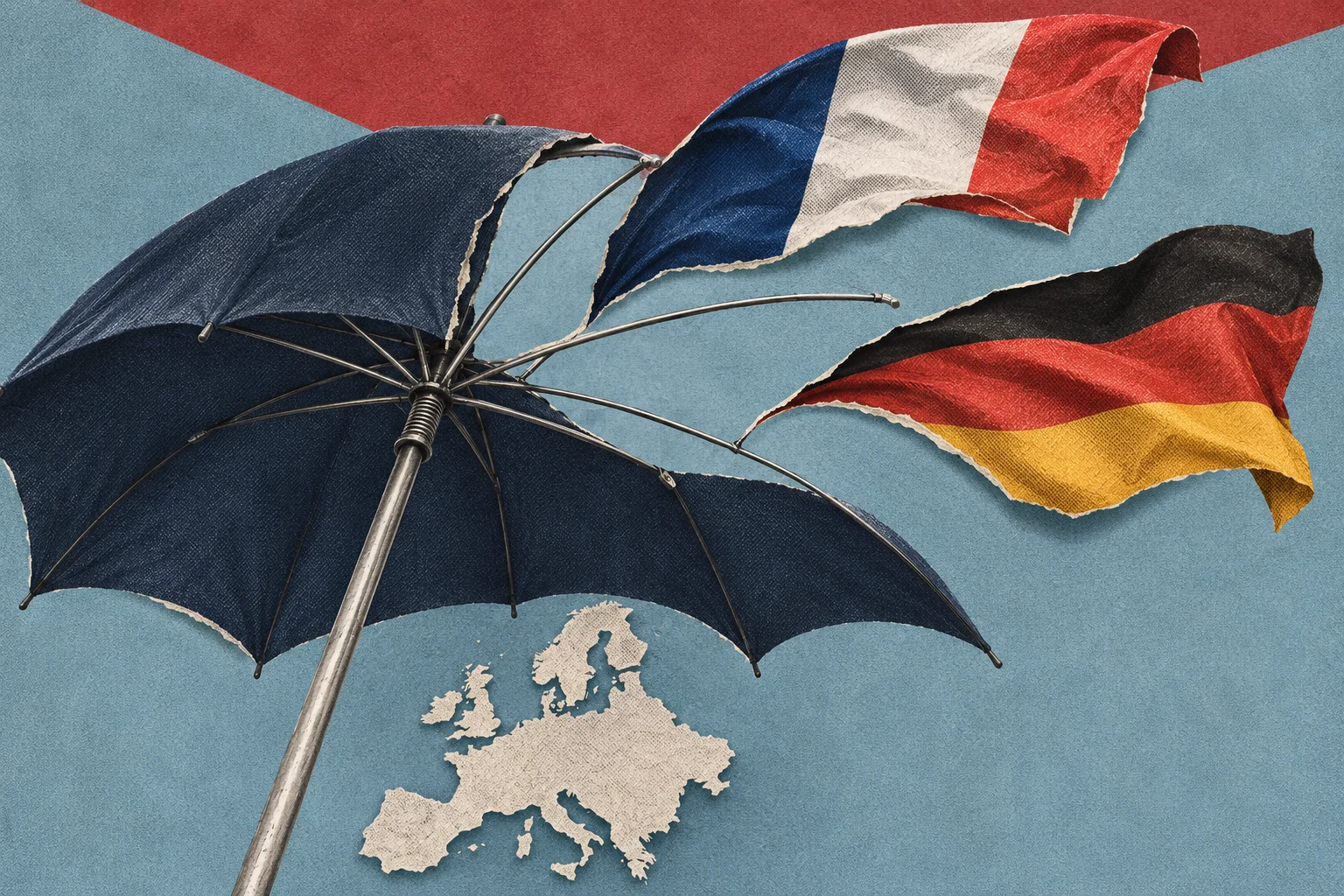
In Germany, the Alternative for Germany has opened its widest lead yet over Chancellor Friedrich Merz’s CDU/CSU: an INSA poll for Bild on November 10 put the AfD at 28.5 percent against the Union’s 19.5 percent, a nine-point gap, with Forsa and Ipsos polls from the same week showing a similar spread. Only 14 percent of respondents to the INSA survey called Merz the right chancellor; 78 percent did not. The AfD wants to end aid to Ukraine, open peace talks with Moscow and resume buying Russian oil and gas.
Neither election has happened. Polls a year or five months out are not votes, and Le Pen’s own candidacy carries legal risk from her European Parliament embezzlement conviction, even after an appeals court cleared her to run. But earlier rews reporting has already noted that any US-brokered deal trading Donbas territory for a NATO-adjacent guarantee would need ratification by all 32 alliance members — a bar that a Le Pen or AfD-led government could simply refuse to clear, achieving by veto what Russia’s bilateral pacts aim to achieve by attrition.
The war’s daily arithmetic continues regardless of the diplomacy. In Hlukhiv, in Ukraine’s Sumy region, a Russian drone hit a house on the morning of November 14, trapping a nine-year-old boy and his grandmother. Police officers Mykola Savchenko and Ihor Voloshko found them and Savchenko applied a tourniquet to the woman’s leg before a second drone, the kind of follow-up strike on first responders that Ukrainian officials call a double-tap, hit as they moved the pair to safety. Savchenko covered the boy with his own body; Voloshko was wounded in the blast. Al Jazeera, citing Ukraine’s interior ministry, reported that Savchenko was killed. But the ministry’s own account, released with body-camera footage and cited by United24 Media and other Ukrainian outlets, states that Savchenko survived: Interior Minister Ivan Vyhivskyi thanked both officers by name for actions that were “clear, professional, and decisive,” and said none of the three injuries — to the boy, his grandmother or Savchenko — were life-threatening.
Russia’s three-model pitch for European security does not require that NATO formally agree to anything. It requires that enough individual governments find a bilateral guarantee more attractive than a collective one whose cost, in troops and money, keeps rising as the war’s fifth year approaches. The number to watch is not in Abu Dhabi. It is the first-round vote share in France next April and whatever government, if any, survives Germany’s coalition arithmetic before then.