
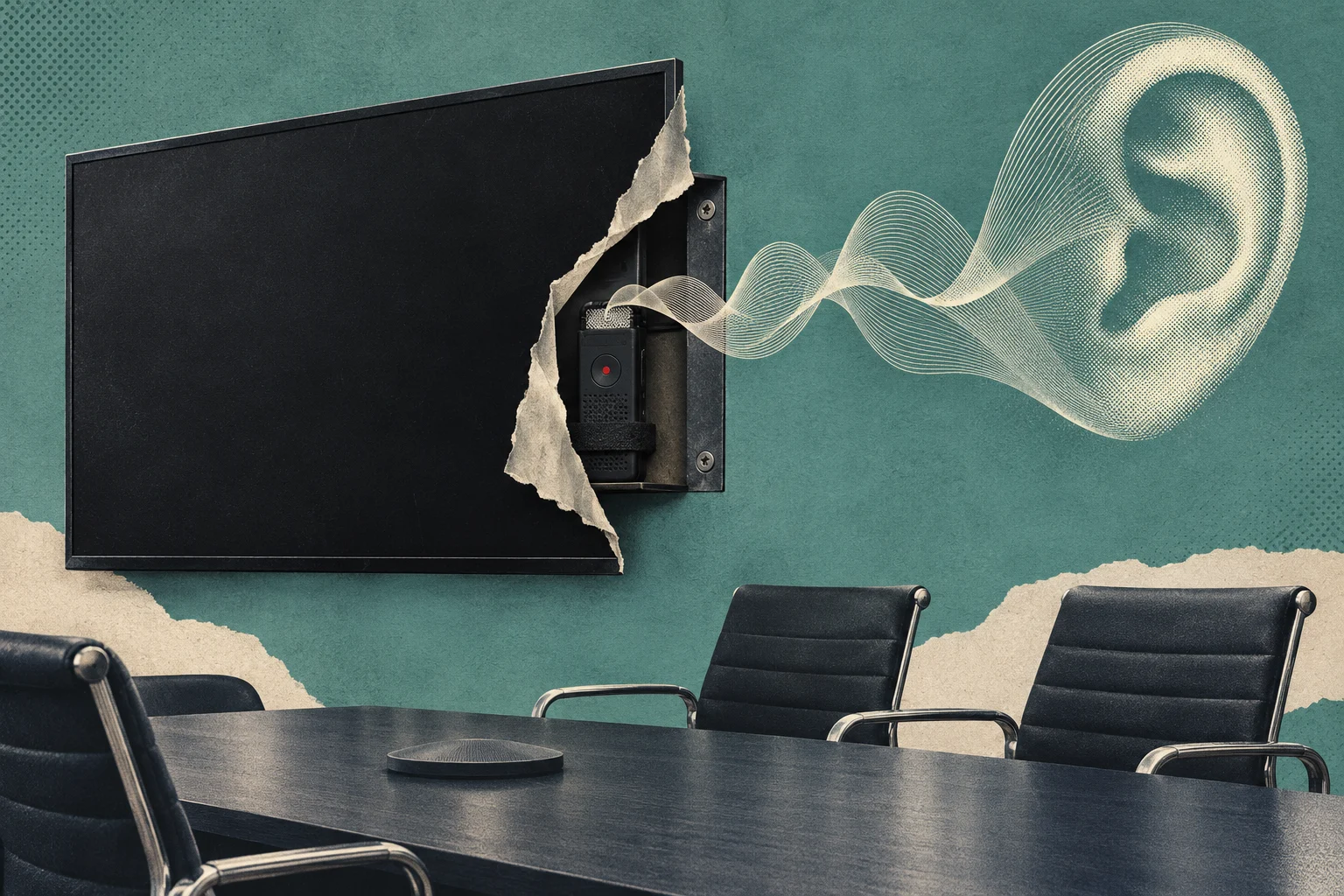
Anyone who wants to listen in secret needs tools. In the case of Abdulrahman Alfozan, federal prosecutors now say, some of those tools came from the company he was listening to.
The assistant
US prosecutors filed a motion on Monday, November 23, and Business Insider reported what was in it. According to the filing, the Saudi engineer used Codex, OpenAI’s popular coding product, to modify a recording device of the same kind the company had found tucked behind a television in one of its meeting rooms. Citing OpenAI’s own records, prosecutors say he prompted Codex to give the device a voice-detection feature, and then used the tool to organise his secret recordings in Dropbox. The filing says he did this through his wife’s account.
OpenAI has credited its own models with catching him. If the prosecutors are right, the company’s software was working on both sides of the same case. Firms sell these assistants on the promise that they make any job faster. They have less to say about whose job it is.
The filing also describes what investigators say he collected. On his cellphone, officers found photographs of a document marked “CONFIDENTIAL” setting out a “strategic partnership” between OpenAI and another company, which the filing does not name. On his personal computer they found audio files: “dozens of recordings of conversations” made at OpenAI throughout September, including meetings that “involved discussions of what appears likely to be confidential trade secret material.”
A modest charge, a long shadow
The Justice Department arrested Alfozan on October 9. The charge is narrower than the suspicion around him: using a device to intercept oral communications. He has pleaded not guilty. Earlier filings tied him to Saudi officials, but nobody has charged him with spying.
His defence lawyer, David Rizk, has built his case in that gap. On Friday he asked the federal judge overseeing the case to release Alfozan on a $1 million bond, backed by money from four of his friends, all US citizens. Rizk wrote that prosecutors have not yet presented evidence to support heavier charges such as espionage or theft of trade secrets.
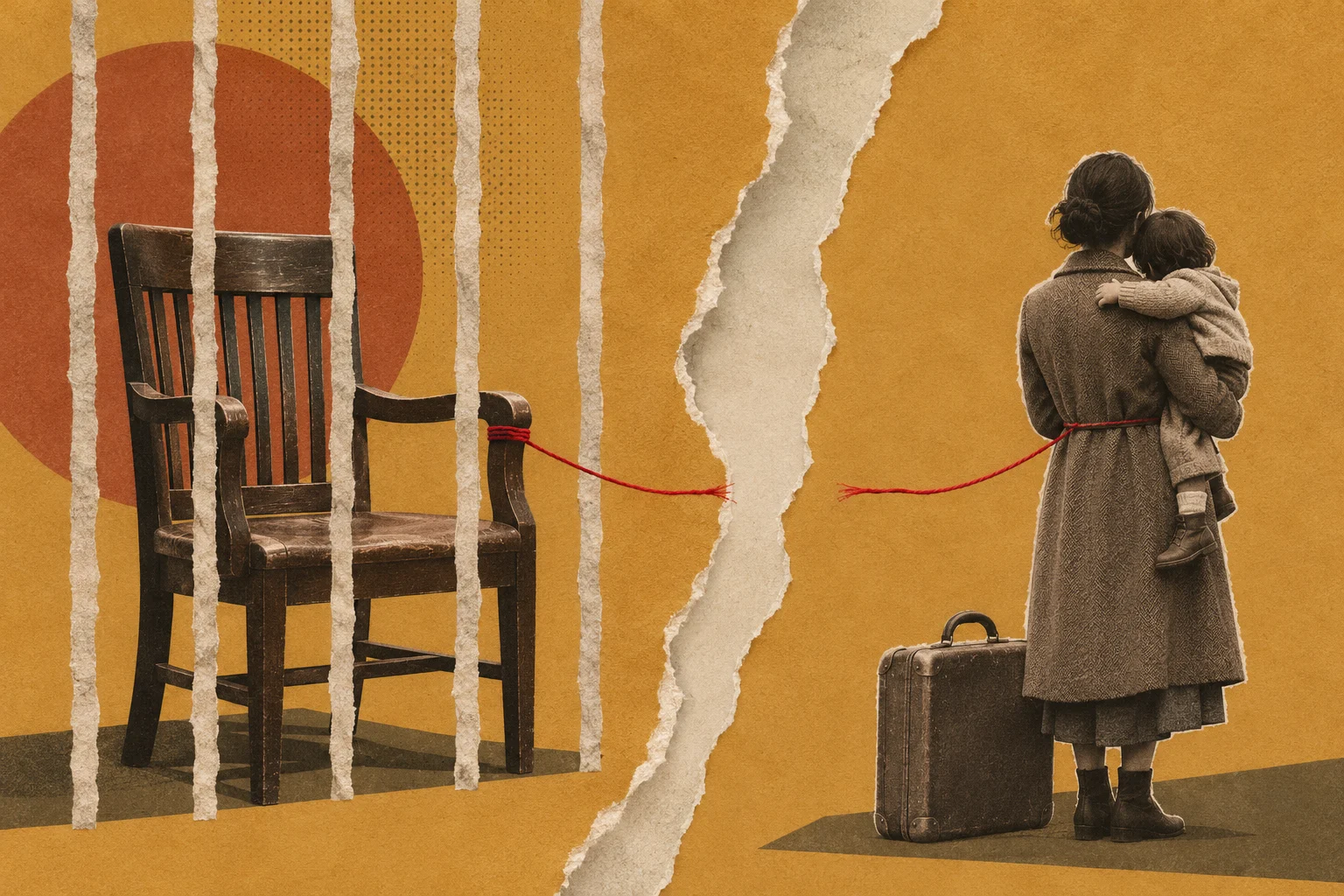
He also gave his account of the departure that had counted against his client. Alfozan’s wife had flown to Saudi Arabia with their child, and a judge cited that as a reason to keep him detained. Rizk wrote that she left because her student visa was about to expire, and that she was staying away for this reason:
“Mr. Alfozan’s wife and child remain in Saudi Arabia because she was so deeply traumatized by the violent FBI raid that woke her last month and then the firestorm of publicity following the government’s false insinuations that her husband was a spy.”
The first bond
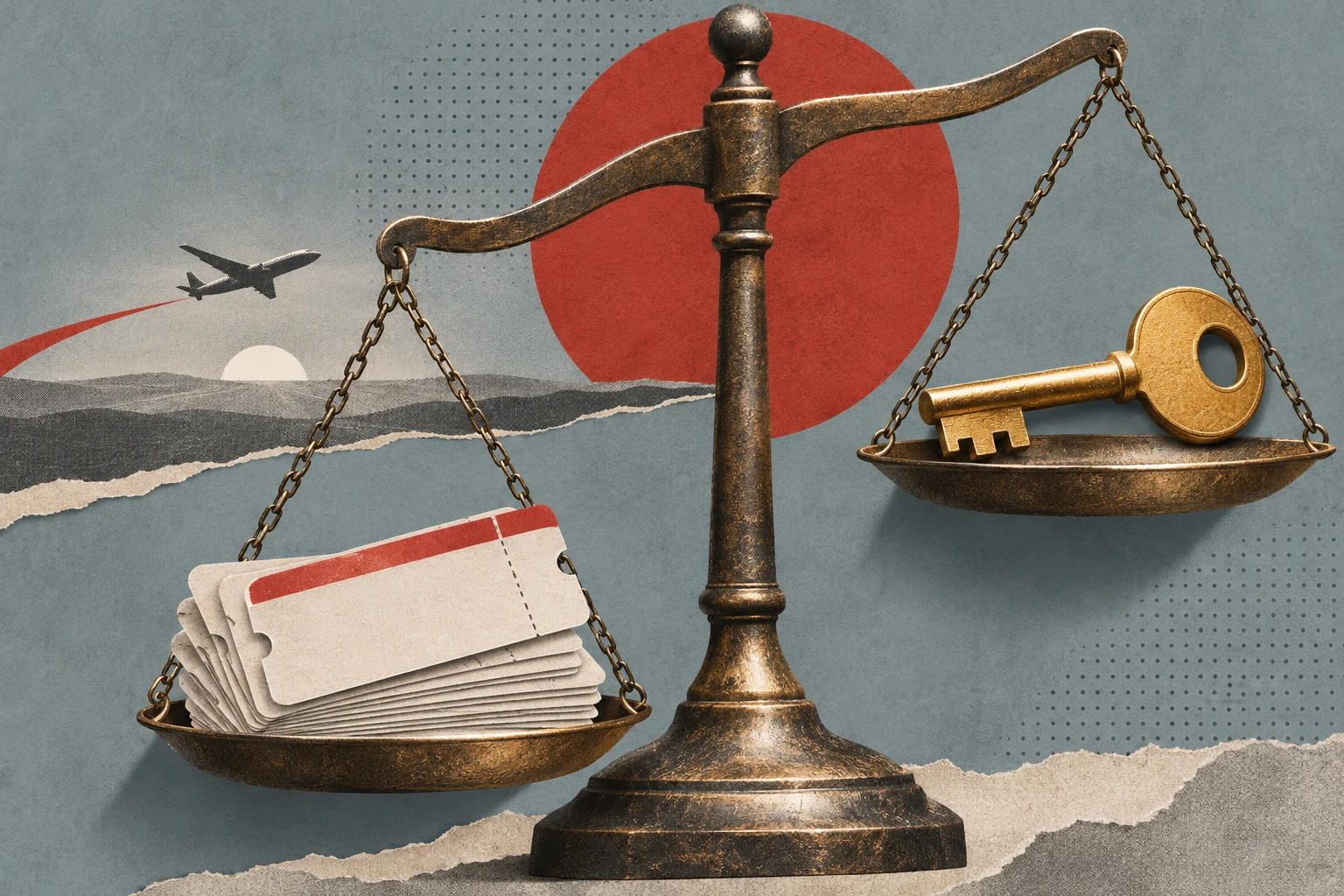
This is his second request. The first came about a week after the arrest, and it was unusual for who stood behind it. As Fortune reported at the time, the defence proposed a $1 million bond guaranteed by the Saudi government. In an October 14 letter, the Saudi Consulate General in Los Angeles offered to cover the full amount and told Pretrial Services it “will not issue any travel documents” to Alfozan while he was out on release. Magistrate Judge Alex Tse was not persuaded. He said the sum had to be weighed against the chance that Alfozan “potentially has access to much greater wealth,” and added: “Once he leaves, there’s no getting him back, and that’s why this is a bigger case.”
Fortune reported that the record before Tse included one-way economy tickets to Saudi Arabia, booked on September 13 for October 12, for Alfozan, his wife and their baby, at a total of $1,897.59. The defence replied that 96 of his 138 flight bookings since 2021 had been one-way. After the arrest, his wife and son left on October 10 on a business-class flight to Qatar, paid for by a relative who works in the Saudi government. Tse ruled Alfozan a flight risk and ordered him held.
“After the IPO”
In Monday’s filing, prosecutors said their investigation is still going and that they already have evidence he would try to leave the country if freed. They pointed to WhatsApp messages between Alfozan and a member of the Saudi royal family which, they say, suggested he might apply for a job at Echelon, an AI company based in Riyadh, “after the IPO.” Prosecutors read this as an apparent reference to OpenAI’s expected stock market listing next year.
Those are two words in a chat. On the prosecution’s reading, though, they sketch a whole career: get rich at a California company when its shares go public, then go home to a royal-connected company in the Gulf. The defence hears an ordinary man thinking about an ordinary career. The prosecution hears a man planning to leave.
At a hearing last week, Assistant US Attorney Nick Parker said the investigation covers the recording device itself, five devices taken from the couple, and records and surveillance footage from OpenAI. Most of the evidence, in other words, is still being examined, and the man it concerns is still in jail.
Both sides were due before Magistrate Judge Tse on Tuesday morning, November 24, to argue over the new motion. He is the same judge who turned down the first request, when the money on offer came from a foreign government. This time it comes from four American friends. Neither OpenAI nor Rizk responded to Business Insider’s requests for comment on Monday.