
Two deaths linked by relatives to security forces triggered confrontations in Tunisia on Thursday, October 22. Police used tear gas in Ettadhamen, a suburb of Tunis, and in the southern town of Jebiniana. The circumstances of both deaths remain disputed or unconfirmed in the account published by Al Jazeera, with reporting from AFP and Reuters.
In Ettadhamen, the unrest followed the death of a man detained on suspicion of drug dealing. His family alleged that officers had mistreated him and demanded an explanation and accountability. Unnamed local news outlets gave a different account: that he had swallowed drugs. Neither explanation is an established medical finding in the report.
Demonstrators blocked streets, burned tyres and threw stones. Reuters reported that security personnel used tear gas while trying to protect a nearby National Guard post. The account supplies no figures for injuries or protest-related arrests.
Separate deaths, separate claims
In Jebiniana, in Sfax governorate, relatives said another man died while being pursued by security personnel. Tunisian news outlets reported that demonstrators burned tyres and set a vehicle alight, and that police deployed tear gas. That allegation concerns a pursuit; it does not establish the same sequence of events as the death following detention in Ettadhamen.
The distinction matters. A death following detention, an allegation of mistreatment and a death during a pursuit require different evidence to establish responsibility. The report includes no official explanation resolving either case. It also gives no medical findings that would settle the competing accounts in Ettadhamen.
A separate student protest in Sfax concerned access to emergency care. A female student died after a heart-related medical emergency. Fellow students blamed delayed ambulance assistance and inadequate medical facilities. They called for a strike across Sfax University faculties on Friday, October 23. The alleged connection between the ambulance delay and her death was the students’ claim, not a confirmed finding; the strike was a call to action, not a reported completed stoppage.
Street protests and political pressure
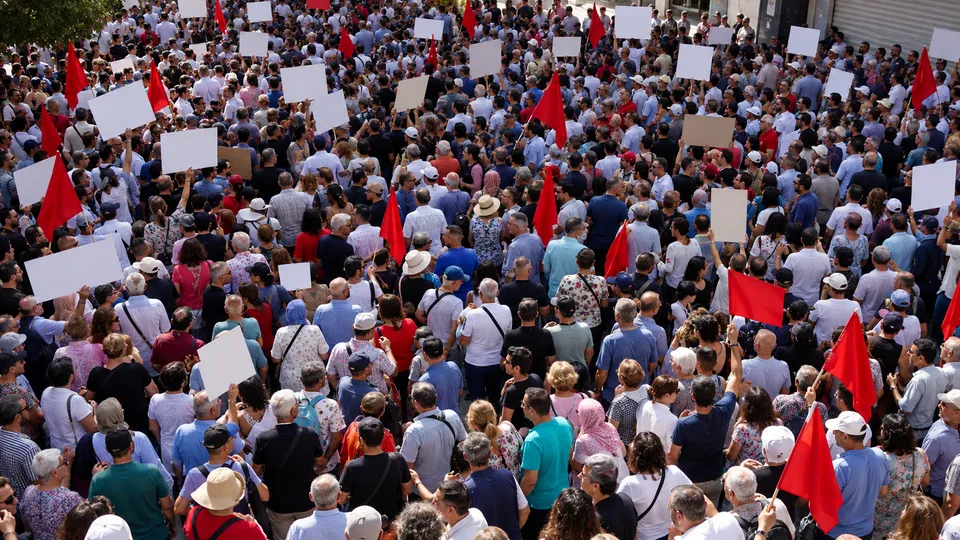
These confrontations followed a larger political demonstration in Tunis on Saturday, October 17. Thousands protested against President Kais Saied in what the report described as the largest mobilisation against him in several years. Participants accused him of weakening democratic government and mismanaging the economy.
That mobilisation brought organised opposition into the streets, as described in the earlier account of Tunisia’s opposition marching with the labour union. Thursday’s confrontations had more immediate triggers: individual deaths and demands for an explanation. The available reporting does not establish that the demonstrations shared organisers or a coordinated plan.
Political pressure also continued through the courts. On Wednesday, October 21, a military tribunal sentenced opposition politician Olfa Hamdi to four years in prison for conspiring against state security and encouraging military disobedience, according to the report. It provides no response from her defence.
The protests coincide with worsening economic conditions, declining living standards and dissatisfaction with public services. Those conditions provide context, but do not establish what caused any of the deaths. The next evidence that matters is specific: medical findings in the two security-related cases, accounts of what officers did, and the emergency-response record for the student in Sfax.