
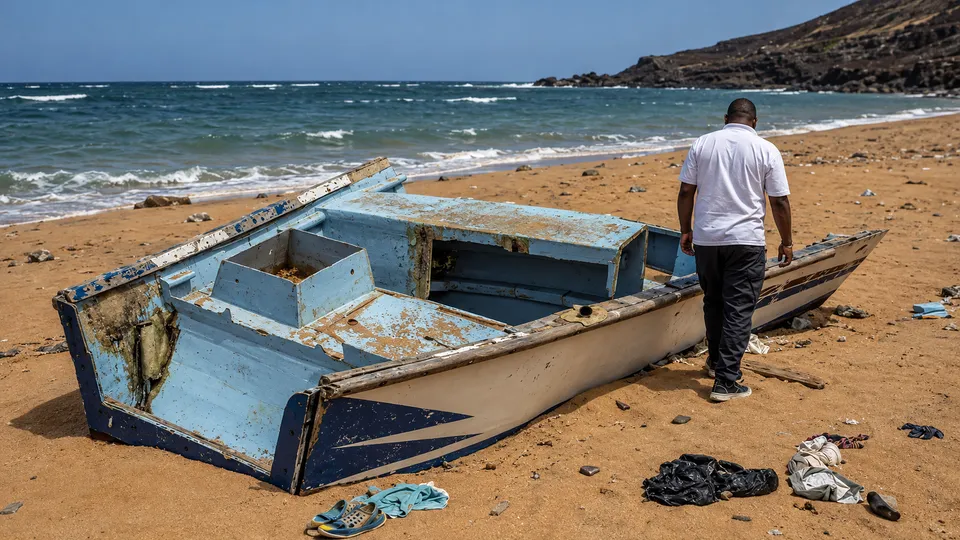
The boat left from the coast of Djibouti in the evening of Thursday, 8 October, heading east across the Gulf of Aden toward Yemen, near the narrow water the maps call Bab al-Mandeb. It was carrying about 305 people. Some time between that night and the hours before dawn on Friday it overturned near Guhere, a stretch of shore north of the town of Obock. It had not got far. It sank close to land.
By Sunday, the International Organization for Migration was counting at least 139 dead, 15 of them children, and 84 missing, Al Jazeera reported, citing survivors’ accounts of where and when it happened. The UN agency described it as one of the deadliest incidents ever recorded on the route.
The count
The numbers rose over the course of the day. In its first statement, headlined as the deadliest shipwreck off Djibouti, the IOM gave at least 109 dead and more than 116 missing. Of those 109 bodies, 52 were men, 42 were women and 15 were children: nine girls and six boys. Then 30 more bodies were recovered, and the figure became 139, with 84 still missing, Euronews reported.
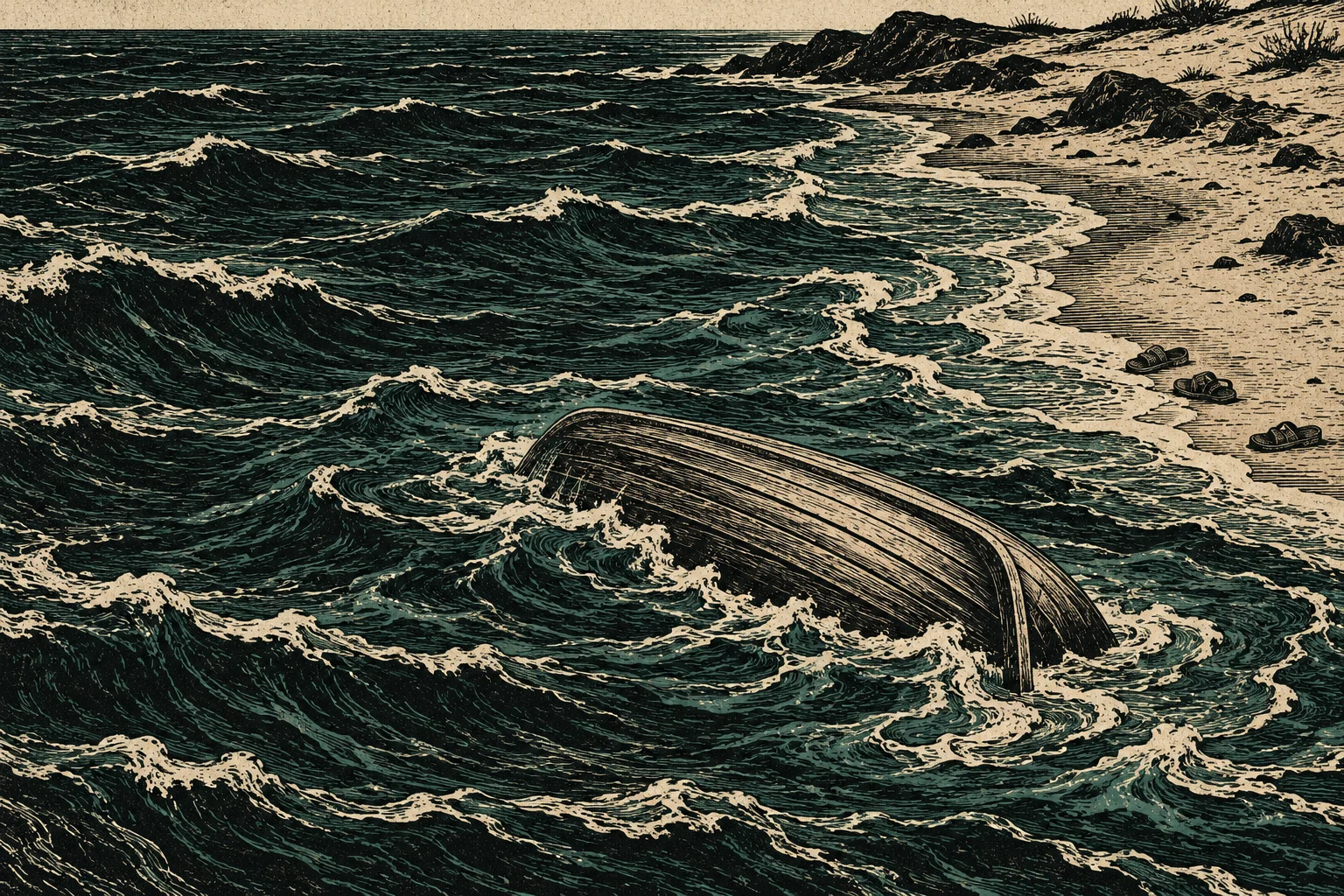
Do the subtraction and it comes out exact. About 305 boarded. 139 dead, 84 missing, 82 alive.
Alexandre Coissac, who heads the IOM’s mission in Djibouti, gave the simplest explanation. The boat went down, he said, “mainly because it was overcrowded.” Nothing more complicated than that: too many people on too small a vessel, setting out at night.
A grave without names
The bodies came ashore faster than anyone could handle them. Local authorities, Coissac told the Associated Press, “were overwhelmed with all the bodies that kept coming at once towards the shore.” They buried the dead quickly. According to the AP, he described the burials like this:
What is terrible is that they were buried with no names, in a common grave, like in a war situation.
Even 139 may be too low. The figure covers only people buried by Djibouti’s authorities. Other migrants buried some of the dead themselves, and those victims will not be added to the official count until the authorities can verify the bodies. So there may be people dead on that shore whom no ledger yet records. Until an official sees a body, the state does not count it.

Those who lived
All 82 survivors are Ethiopian nationals. The IOM is caring for 64 of them at its Migrant Response Centre in Obock, where it says it is providing healthcare, psychosocial support, protection services, temporary shelter, food and help reaching their families. Some survivors there already know that relatives who travelled with them are dead. Others were handed phones to call home and tell their families they are still alive.
“This is a devastating loss of life,” Coissac said in the agency’s statement. “Our thoughts are with the survivors and the families who have lost loved ones or remain without news of their relatives.” He called it “a stark reminder of the dangers faced by migrants along this migration corridor as they seek economic opportunities.”
The corridor
The road these people were on is old and heavily used. The IOM calls it the eastern route: from the Horn of Africa across the water to Yemen, then north into the Gulf states, above all Saudi Arabia, in search of work. According to the AP’s account, hundreds of thousands travel it each year, most of them from Ethiopia and Somalia. Earlier this month the same strait was in the news for tanker attacks and claims of military gains. Those stories were about shipping and armies. Small, overloaded boats like this one cross the same water.
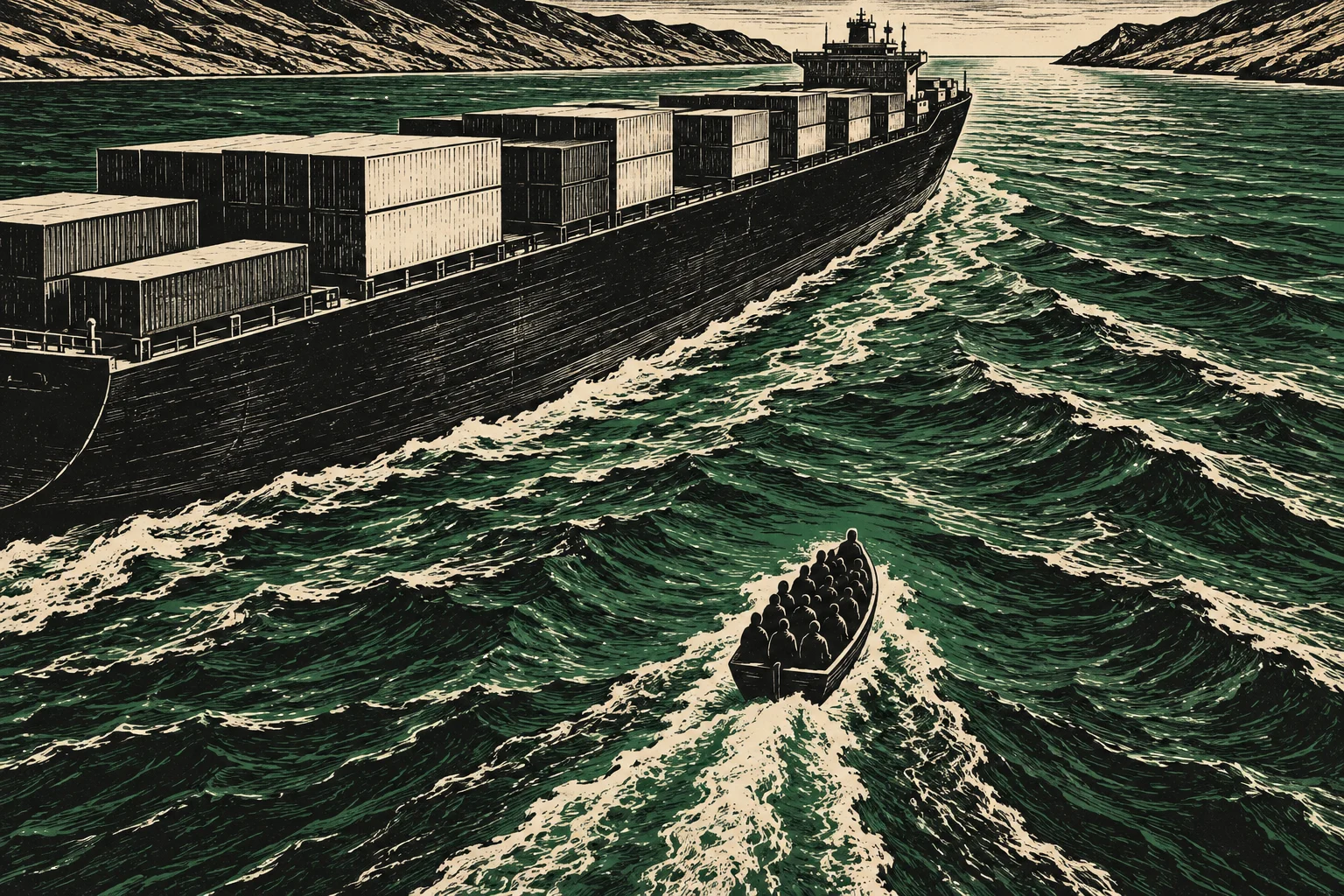
The IOM’s Missing Migrants Project counted more than 900 people dead or missing on the route in 2025, a year in which the number of people making the journey rose by 18 percent. In March 2026, another shipwreck left nine dead and 45 missing.
Then there is the question of what people are leaving behind. The IOM links this disaster to renewed fighting in Ethiopia’s Tigray region, and has recorded more than 20,000 incoming movements from Ethiopia into Djibouti since 10 September. That is a little over a month.
A reflection, not a finding: a government’s failure is hard to measure from a capital, but you can see it in who is willing to get into an overloaded boat at night, and how many of them do. The IOM’s director-general, Amy Pope, said much the same thing in fewer words: “No one gets into a boat like that unless they believe there is no other safe way.” She urged governments and donors to act before another boat sinks, Pakistan’s Express Tribune reported.
On Sunday the search off Guhere went on, both for bodies and for anyone who might still be alive. According to The National, the death toll is still being updated.