
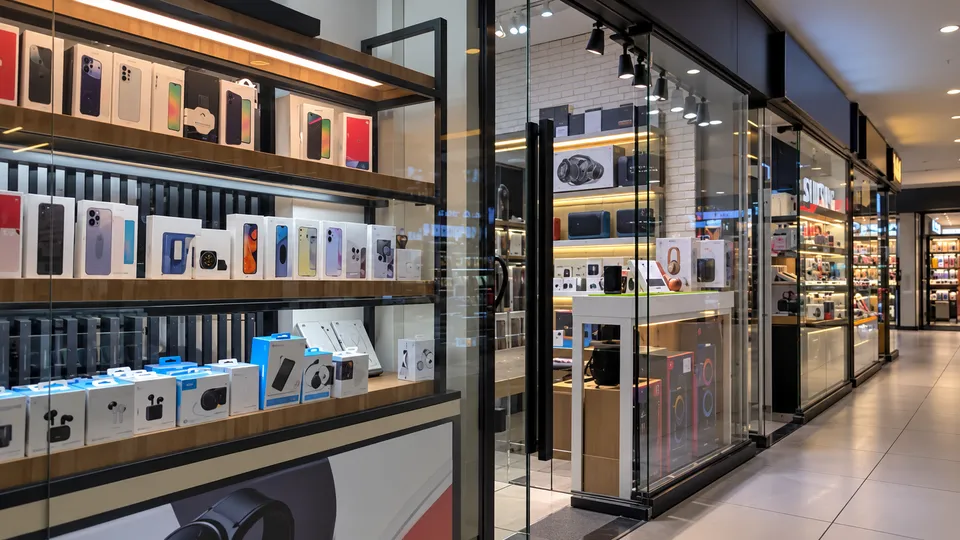
When Apple released its iPhone 18 lineup in the United States on Sept. 18, the new models were on sale in downtown Tehran within a couple of days, even though Apple has no stores or official presence in Iran, according to Al Jazeera.
The phones arrived in a country whose economy has been squeezed by years of sanctions and, more recently, by war. A months-long U.S. naval blockade of Iran’s southern ports — the route through which the bulk of the country’s imports once entered — has helped push prices for new electronics out of reach for many buyers, with government fees and sanctions adding to the cost.
Phones keep coming anyway. About $1.6 billion worth of mobile phones were imported commercially in the Iranian year that ended in March, according to the state-linked Tasnim news site.
Buying one legally carries its own toll. Under Iran’s 2025 budget law, phones valued at more than $600 carry an import duty of 15 percent when brought in through commercial channels and up to 30 percent through other routes, according to reports on the regulations. Tehran lifted restrictions on registering imported handsets in January 2025, a shift meant to bring black-market phones into the official registry by letting their owners pay fees to register them.
That registry has not worked as intended. Tasnim reported this month that the system was again confronting large-scale manipulation, with legally registered identifiers from other equipment — including point-of-sale terminals — allegedly used to activate phones, leaving consumers paying for the failures of a state system meant to police the trade.
The squeeze is wider than electronics. President Masoud Pezeshkian has convened his cabinet around what officials call a new arrangement for the siege economy, and the rial fell to a record low against the dollar this month.
Even a registered, fully paid-up phone reaches only a fenced-off internet. The government filters online access and periodically shuts it down, global payment systems are closed to Iranians, and many international companies refuse service to Iranian nationals because of U.S. sanctions.