
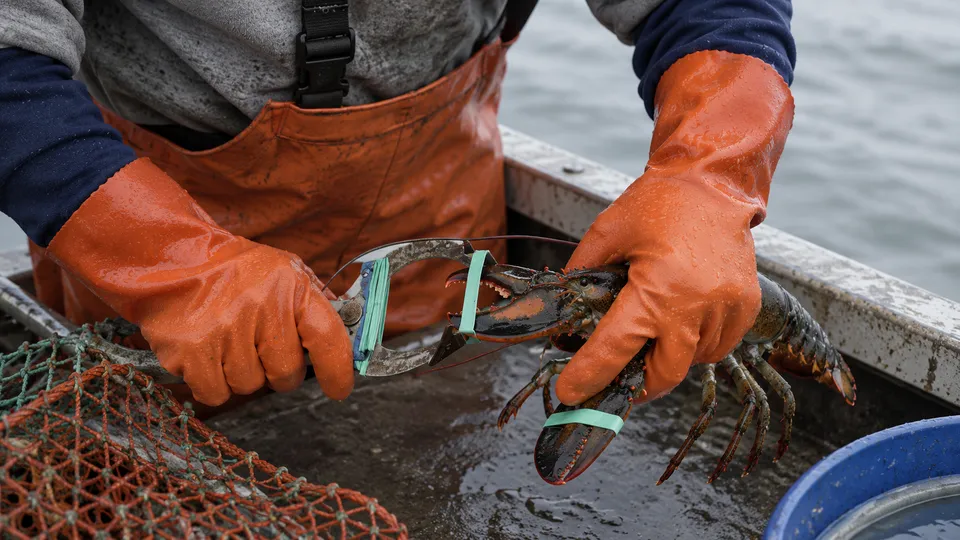
Maine votes today, and if you want to understand the Senate race between Susan Collins and Troy Jackson, a useful place to start is a lobsterman named David Horner. He has fished the North Atlantic off Maine for about 50 years, and as Andy Hirschfeld reported for Al Jazeera, he has voted for Donald Trump three times. He likes the president’s rollback of environmental rules on commercial fishing. He does not like the rest of it: “As far as taking on Canada in this huge hostile trade war, I’m totally against it.” He plans to vote for Collins, the Republican.
That might look like a contradiction. It is actually a pretty precise read of how Collins is running.
The border in the middle
Start with how a lobster gets to your plate. It is hauled out of the water, brought ashore, trucked to a processor and then shipped to restaurants around the world. The detail that matters is where the processor is: about 60% of Maine’s catch is processed in Canada, especially during the peak from late summer into early autumn. So the US-Canada border is not at the end of the Maine lobster supply chain. It is in the middle of it. Imagine you make a product, and the plant that finishes it sits in another country, and both governments decide to start taxing the line between you and your plant. That is roughly the position Maine’s lobster industry, which earned $461m in 2025, has been in.

For a while this was fine. Lobster was tariff-exempt under the USMCA, the trade pact Trump himself negotiated in his first term. Then in August Trump imposed tariffs on $20bn of Canadian goods, and Canada retaliated. Its first plan included seafood, and the Maine Lobstermen’s Association warned the duties would land during the fall season, when Canada buys roughly half of Maine’s lobster. Later that month Canada dropped its seafood levies, sparing the industry a 25% import tax, as the Maine Morning Star reported. Justin Snyder, a lobster industry worker and Democratic strategist, told Al Jazeera that “the screaming, literally and figuratively, in Maine and Canada was quite loud.”
So the lobster got out of it. Sort of.
Everything else
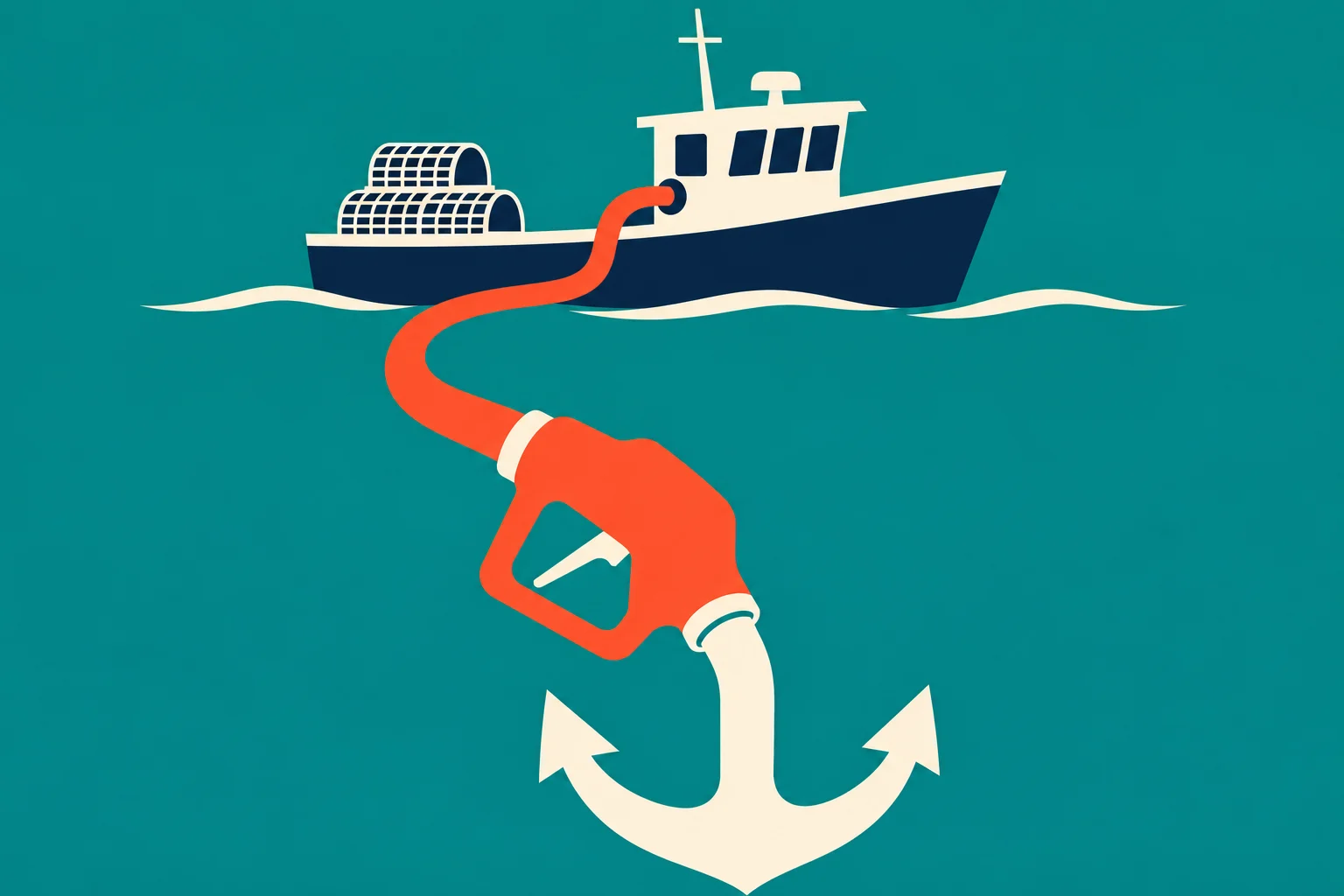
A lobster boat has inputs, and the inputs did not get an exemption. Steel and aluminium tariffs have raised the price of lobster traps. Horner’s bait costs are up. And then there’s diesel, which averaged $3.08 a gallon before the US-Israel war on Iran, hit record highs in September and now stands at $6.29. That is an increase of $3.21 a gallon, or about 104%: the fuel bill has more than doubled. Diesel is not a tariff, but nobody fills a tank by policy category, and Horner’s view of the president has got more complicated: “The high diesel fuel is the biggest enemy of the fishing industry.”
There is also a slower problem. Shut out of the US market, Canada is deepening ties with other countries, China included. In China, Canadian lobster faces a 7% tariff and Maine lobster faces 17%. A ten-point gap on the same animal from either side of the same bay means a Chinese buyer has an easy decision, and Maine’s dock prices take the hit. Snyder’s point was that losing markets “puts downward pressure on the prices paid to fishermen.” Meanwhile warming waters may push the lobsters themselves farther north, into Canadian waters. Even the inventory is reportedly thinking about moving.
The pitch
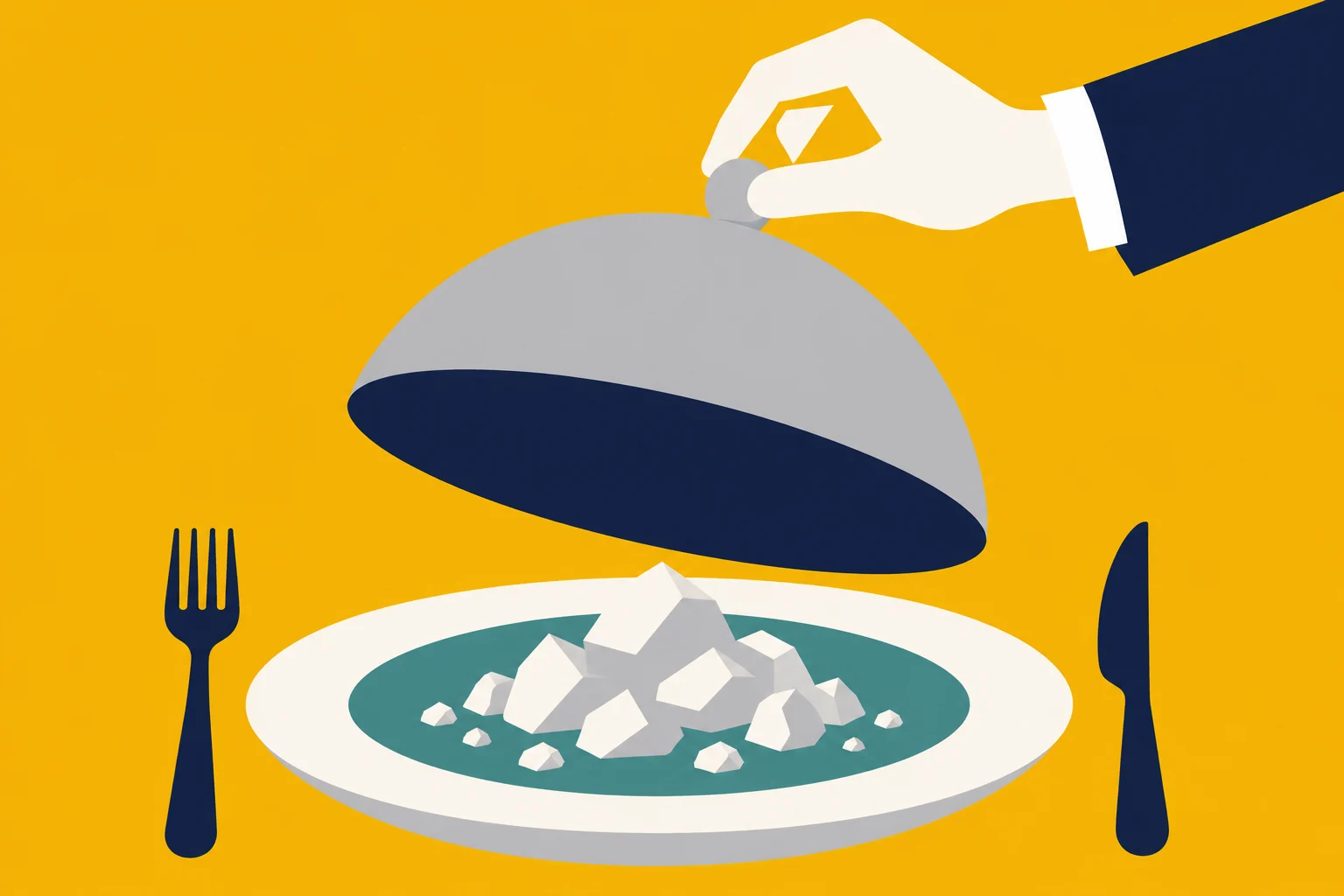
Collins has been in the Senate for roughly three decades, and she has voted with Trump 92% of the time in his second term. Tariffs are the big exception. In April 2025 she voted to overturn the Canada tariffs; later that month she backed a resolution to end his global tariffs; in August she pushed back on tariffs that hit seafood. At their debate she pointed to exemptions she had secured for things like road salt. Jackson’s reply was the best line of the campaign: “We can’t eat road salt.”
I think what makes this race interesting is the shape of Collins’s argument. She is not saying the tariffs are good. She is saying she is the Republican in the room who objects to them and occasionally wins a carve-out. Lance Dutson, a Republican strategist, put both halves bluntly: “The Canada tariffs are just the dumbest thing in the world,” he said, but he thinks voters won’t blame Collins, because she has worked to blunt them. Jackson’s campaign calls the tariffs “a tax on Maine families and small businesses.” Collins’s campaign did not respond to Al Jazeera’s request for comment.
The White House has been helping in the last stretch, in its way. On October 30 Trump lifted 50% tariffs on some Canadian goods, like certain machinery and packaging, while extending tariffs to others, including some waste products. He also announced support for Maine’s lobster industry and targeted tariff relief, which Newsweek described as a timely boost for Collins. Senator Ron Wyden, a Democrat, called it a “desperate, 11th-hour attempt to save Susan Collins’ political career.” Ted Cruz’s committee has also taken up a lobstering bill that Collins requested in a September letter with Senator Angus King. Even so, a Maine seafood executive told the Bangor Daily News that other tariffs and rising costs have hit the industry hard.
The polls are close. Jackson, the former president of the Maine State Senate who took over the Democratic nomination from Graham Platner in July, led by 4 points in a CNN poll and 2 in a Marist poll, both within the margin of error. A later Fox News poll had the two candidates tied at 49%, according to Newsweek. These are two candidates who come from the same county in northern Maine, and they are running on the same grievance from opposite sides of it.
Here is the odd economics of being Horner. The policy he hates comes from a president he voted for three times, and the remedy he is choosing is that president’s party’s senator, on the grounds that she complains about the policy most effectively. As a business model it has one real advantage over lobster. It doesn’t have to cross into Canada to be processed.