
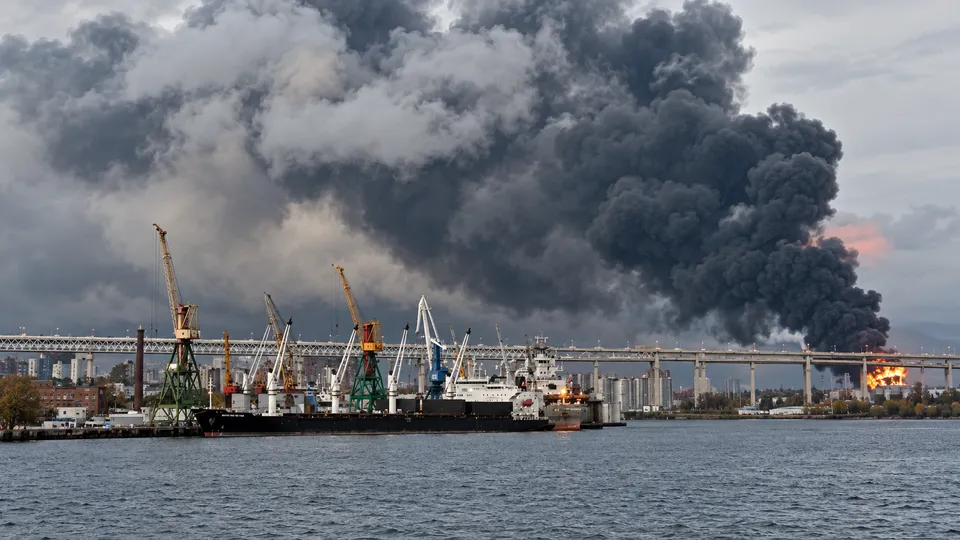
In the small hours of Sunday, while Washington slept, Ukraine sent one of its biggest drone attacks of the year deep into Russia — and aimed it, pointedly, at the kind of target Donald Trump has told Kyiv to leave alone. The overnight strikes hit the St Petersburg Oil Terminal, as Tim Lister reported for CNN, in open defiance of the American president’s demand that Ukraine stop striking Russian energy infrastructure.
Russia’s defense ministry said it shot down 1,015 Ukrainian drones overnight into Sunday over various parts of the country — a toll that, if taken at Moscow’s word, would make the night among the largest drone battles of the war. The St Petersburg Oil Terminal can handle up to 12.5 million tons a year; Fire Point, the Ukrainian company that made the drones used in the raid, said a fire burned on its grounds after the strike. A logistics center belonging to Ozon, the Russian distribution firm, and a data center of the VKontakte social media platform were also attacked, according to the companies and Russian authorities. Local officials said one person was killed and five wounded, and residential homes damaged.
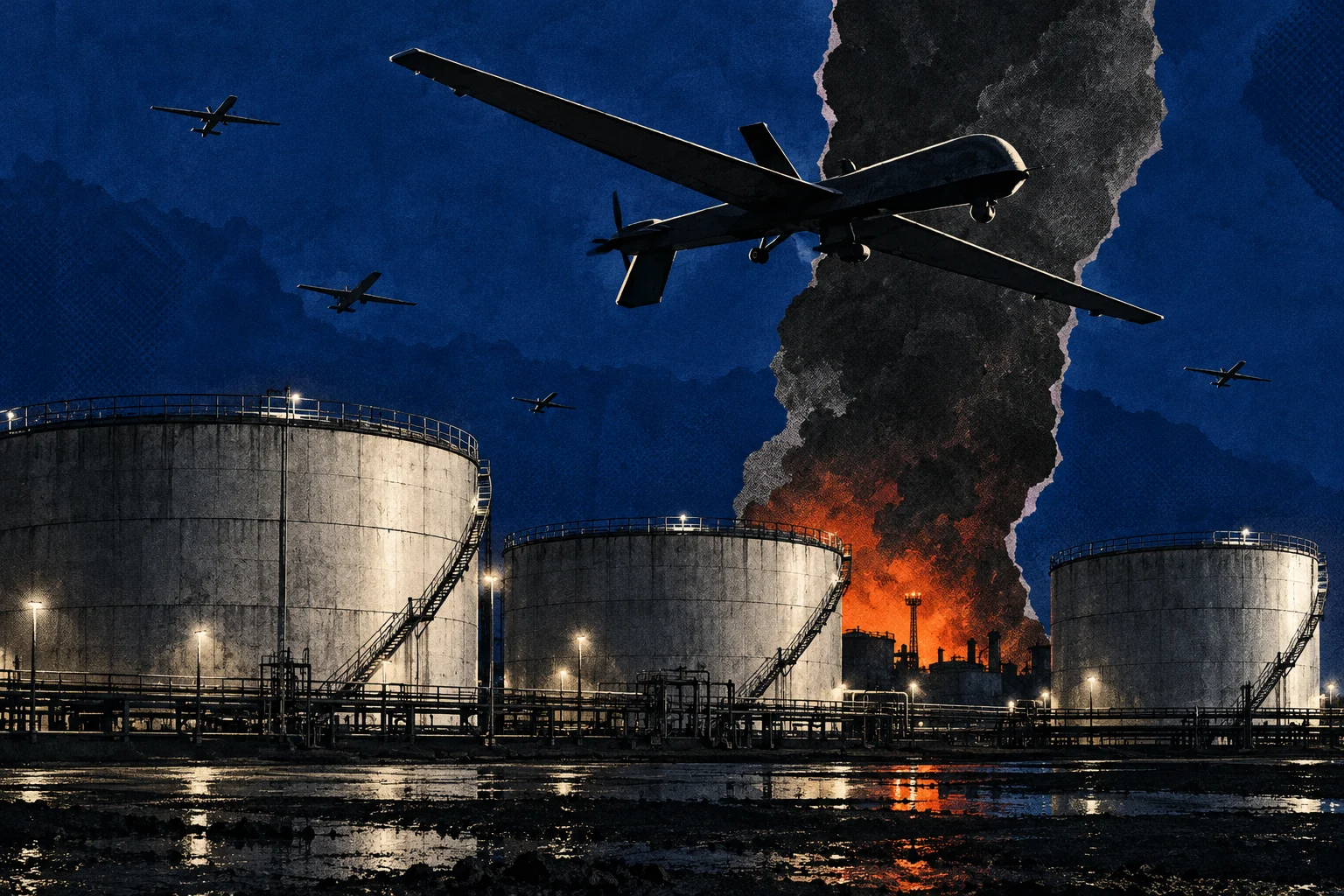
In St Petersburg, people woke to the sky cracking overhead. “They shot one down right above us: there was one bright flash, and it shook us up quite strongly,” a 41-year-old resident told CNN. Another: “I heard a roar, got everyone out of their beds, took the cat, and we hid in the bathroom.”
A Ceasefire Nobody Signed
A week earlier Trump had announced that Russia and Ukraine had agreed to stop attacking each other’s energy infrastructure — a claim neither capital ever confirmed, and one that dissolved within hours of its unveiling as Russian strikes on Ukrainian power plants carried on. Ukraine briefly halted its refinery campaign, then resumed it. Russia never paused at all. Last week Trump called Kyiv’s strikes on Russian refineries a “disgrace.”
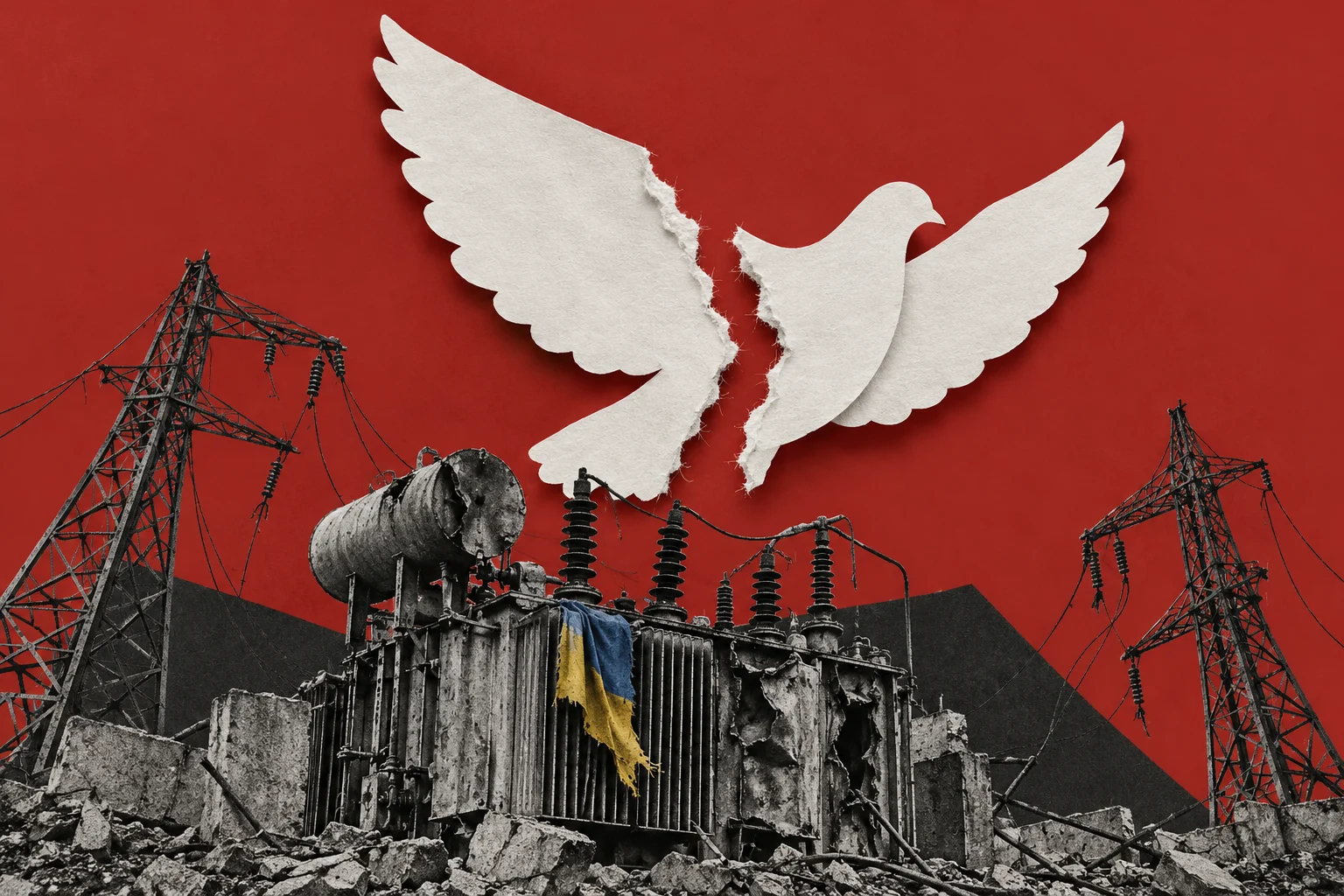
The ledger of that truce runs heavily one way. Ukraine’s authorities said 11 people were killed and nearly 50 injured in Russian missile and drone attacks in the 24 hours to Sunday morning, including what they called a massive attack on energy facilities in the Odesa region. “Since the American President announced the energy ceasefire a week ago, Russia has deliberately attacked Ukraine’s energy and oil and gas sectors 76 times,” President Volodymyr Zelensky wrote on X.
Waivers in Washington
The friction now reaches into sanctions policy. Trump has waived sanctions on imports of Russian diesel — dismembering, allies complain, a pillar of pressure on Moscow — and on Friday invoked a waiver exempting Russia from sweeping economic penalties mandated by the US Congress, drawing criticism even from Republicans. Zelensky, speaking on NBC’s Meet the Press, said the waiver strengthened Vladimir Putin’s war effort while Moscow falters on the battlefield: it was, he said, “more support for Russian aggression.” If America sided with Russia, he warned, it would be a “historic mistake.”
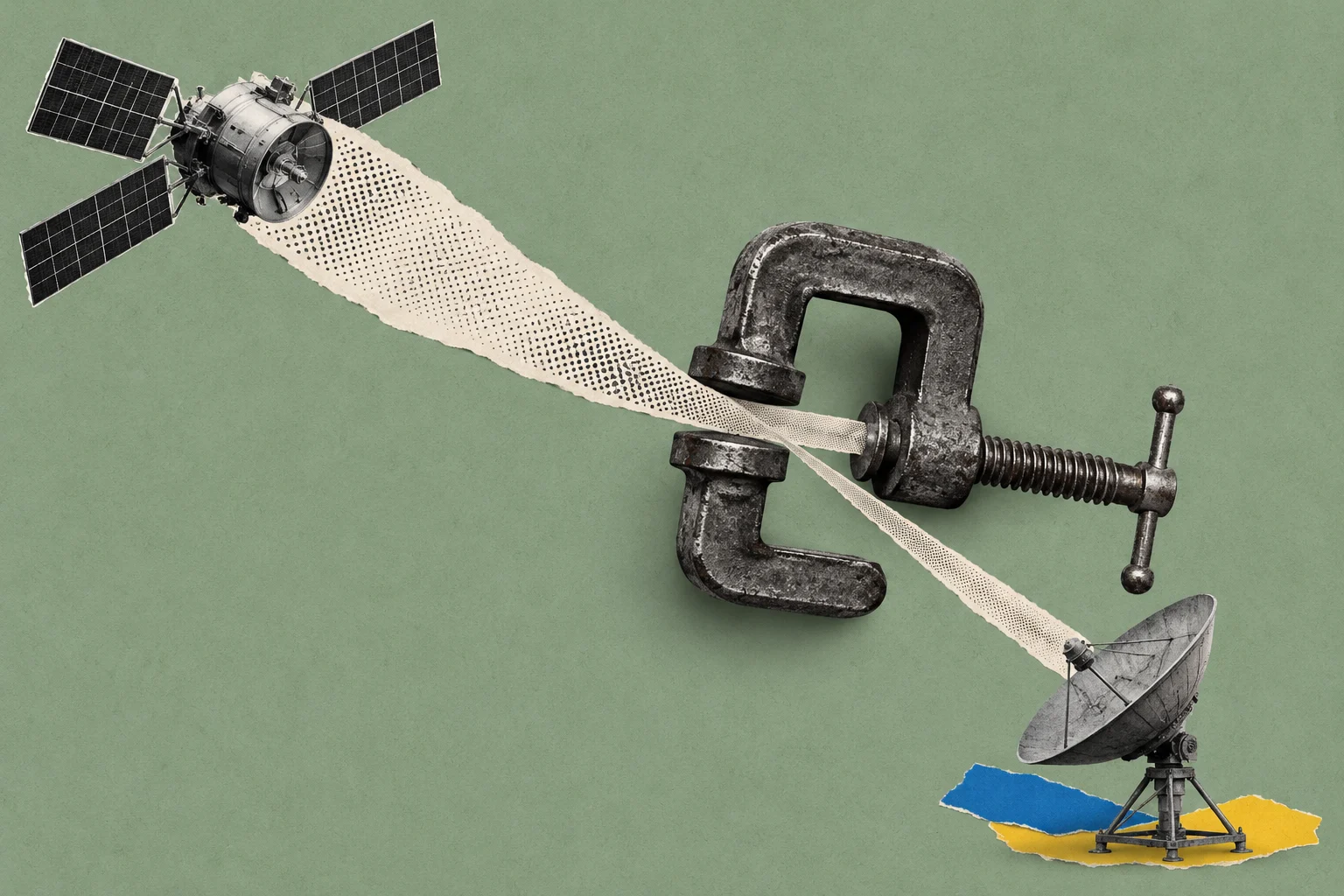
Zelensky also repeated that Ukraine’s access to the Starlink system, which guides its short-range and battlefield drones, remains curtailed. “It was a message from the American government,” he said — a throttle applied to how fast Ukrainian drones may fly. The Trump administration has denied ordering any such restriction. Zelensky added that American intelligence sharing was blocked for three days during Russian ballistic missile attacks before being restored; those satellite networks are what warn Ukraine’s soldiers of incoming missiles.
And yet Kyiv’s president spent his Sunday on the telephone to Washington — speaking with Trump’s envoy Steve Witkoff and the president’s son-in-law Jared Kushner as part of what he called “nonstop communication.” “We are doing everything on our part to make this happen, and to ensure that America’s position is strong and helps bring peace closer,” he posted on X. Asked about Trump’s complaint that he was more difficult to deal with than Putin, Zelensky answered that it was “better to have partners who are very open and clear than to have those who are killers, even with a smile on their face.” He said he wanted to trust Trump, and hoped the American would change his view of Putin. Asked, finally, whether Trump is an ally of Ukraine, the president of a country entering another winter under bombardment gave the answer of a man who cannot afford any other: “I hope so.”