
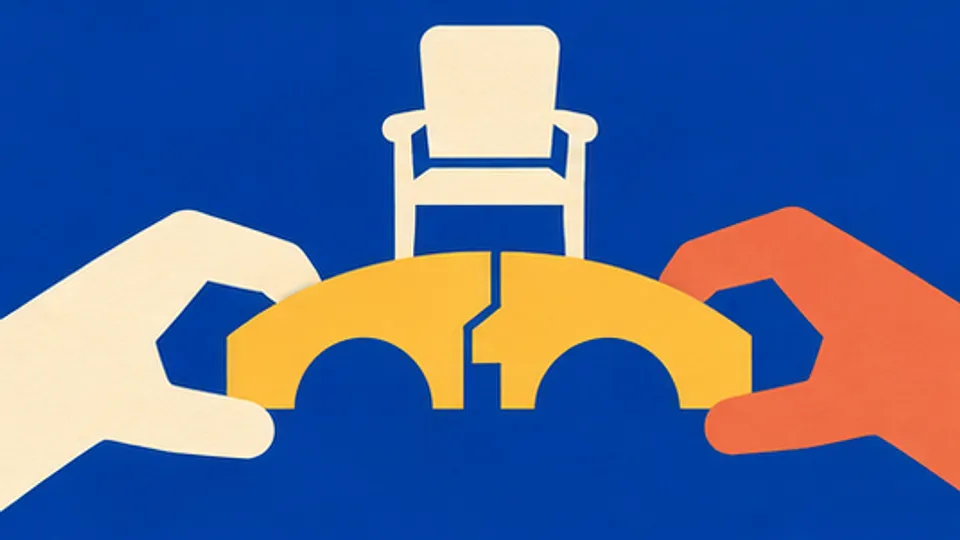
The statement came on Thursday, 5 November, the second day of consultations at the President’s Residence in Jerusalem. It was short and formal, as these things usually are. “The Joint List announced today, Thursday, that it will inform the President of the State, Isaac Herzog, this evening of its decision to recommend that Gadi Eisenkot be tasked with forming the government,” the alliance said, as Al Jazeera reported.
Behind that one sentence sits a sum that Israel has never had to do before. In the general election of 27 October, Arab-led parties won 19 of the Knesset’s 120 seats, a record. Eleven of those belong to the Joint List. The other eight belong to the United Arab List, Ra’am, which had given its own endorsement to Eisenkot earlier the same day. Add them to the 48 seats of Eisenkot’s centrist bloc and you get 67, according to TRT World’s tally and Al Jazeera’s. The threshold for a majority is 61.
A decision taken without warmth
Nobody in the alliance pretended it was a love match. The list said the vote among its components was unanimous, and that it had not been an easy one, Israel National News reported. Hours earlier Sami Abu Shehadeh had told Kan Bet radio which way the list would go.
The same statement aimed hard at the man it was endorsing. According to Israeli press accounts of its text, the Joint List said Eisenkot’s camp “has yet to demonstrate the necessary willingness to confront Netanyahu’s policies, combat incitement against Arab citizens, and challenge efforts to undermine the legitimacy of their political choices.”

So the support comes with a price. The public broadcaster’s television channel, Kan 11, reported that the list is expected to ask to chair a senior Knesset committee, with Finance, Constitution and Education among those being discussed. In exchange, it would give the change bloc a safety net and vote with it in the plenum. That is how a minority that has been kept outside the room tends to take part: it holds the door open from outside and asks for a key to one of the side offices.
It is an old pattern of power, offered here as reflection and not as fact: those who need your votes rarely want to be photographed taking them. The ruling coalition does its arithmetic in private. Its partners are named only in the communiqué.
The arithmetic of the other side
Prime Minister Benjamin Netanyahu’s right-wing and religious bloc holds 53 seats, and it may end up with fewer recommendations than that. Al Jazeera reported that Degel HaTorah, which holds four of United Torah Judaism’s seven seats, said it would back neither candidate. Citing The Times of Israel, it said the faction had broken with Netanyahu because his coalition failed to pass a law exempting Haredi men from military service. Other reports described the whole of United Torah Judaism as declining to recommend him.
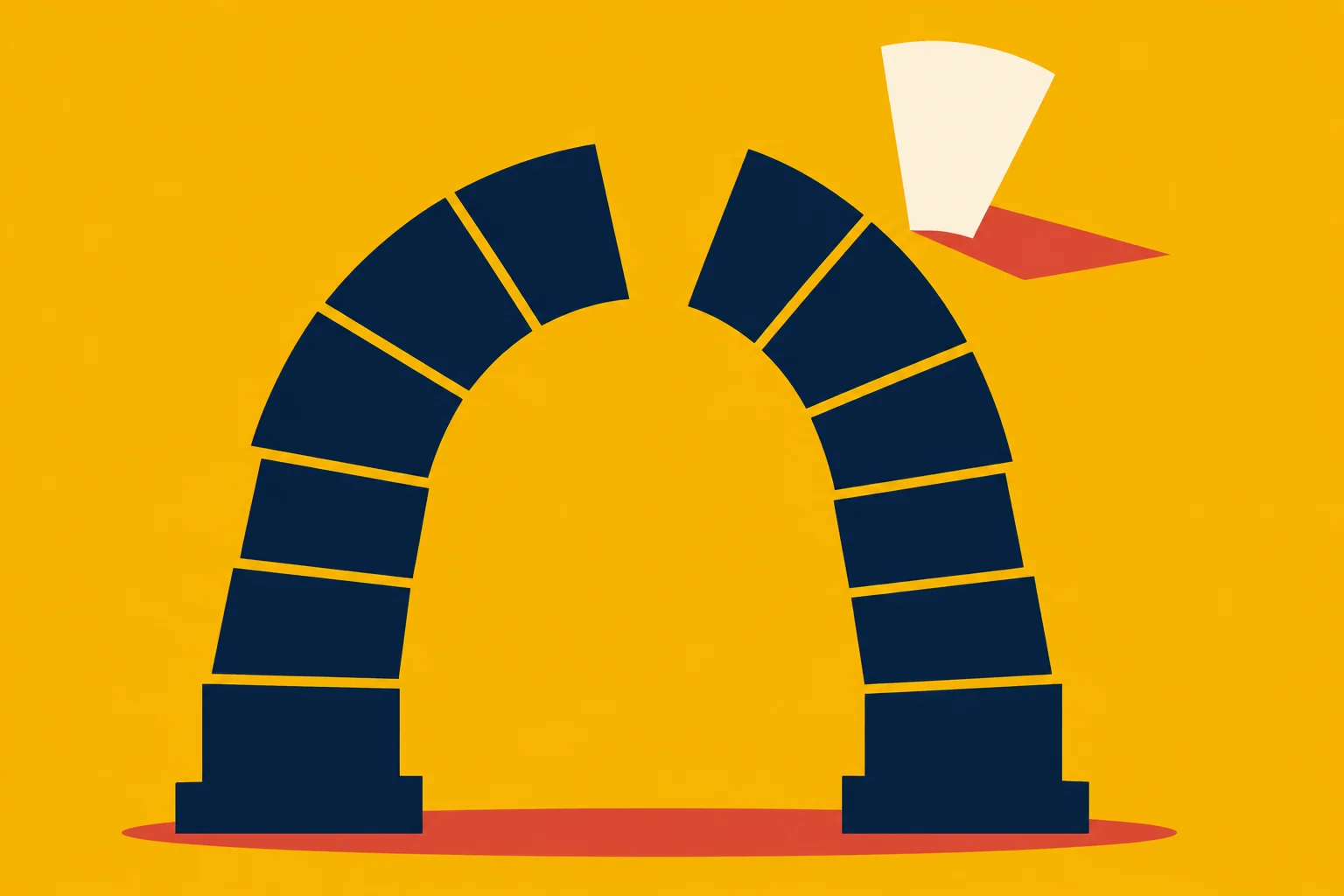
Netanyahu has answered his loss by questioning the voters themselves. He has repeatedly alleged, without evidence, that Arab parties committed fraud with foreign backing. Likud has pointed to the arrests of three activists accused of bribing voters and allegedly linked to Ra’am, which denies any involvement. The party has warned that Zionist parties cooperating with the Arab bloc would be “dangerous to Israel.” On Thursday, in his first public appearance since the vote, Netanyahu warned against an Arab-Jewish coalition, Haaretz reported.
The state’s own institutions have not taken up the charge. On Wednesday the Central Elections Committee certified the results after finding no fraud, which closed, at least formally, the argument Likud had been pressing over the count.
The President and the word he chose
Herzog accepted the results and opened his consultations, meeting Religious Zionism, Zehut, Shas and Yisrael Beytenu before Thursday’s sessions. He said he supported investigating any suspected interference, but warned against smearing Palestinian citizens of Israel, who make up about 20 percent of the population. “I condemn the coarseness and racist expressions that we have heard recently,” he said.
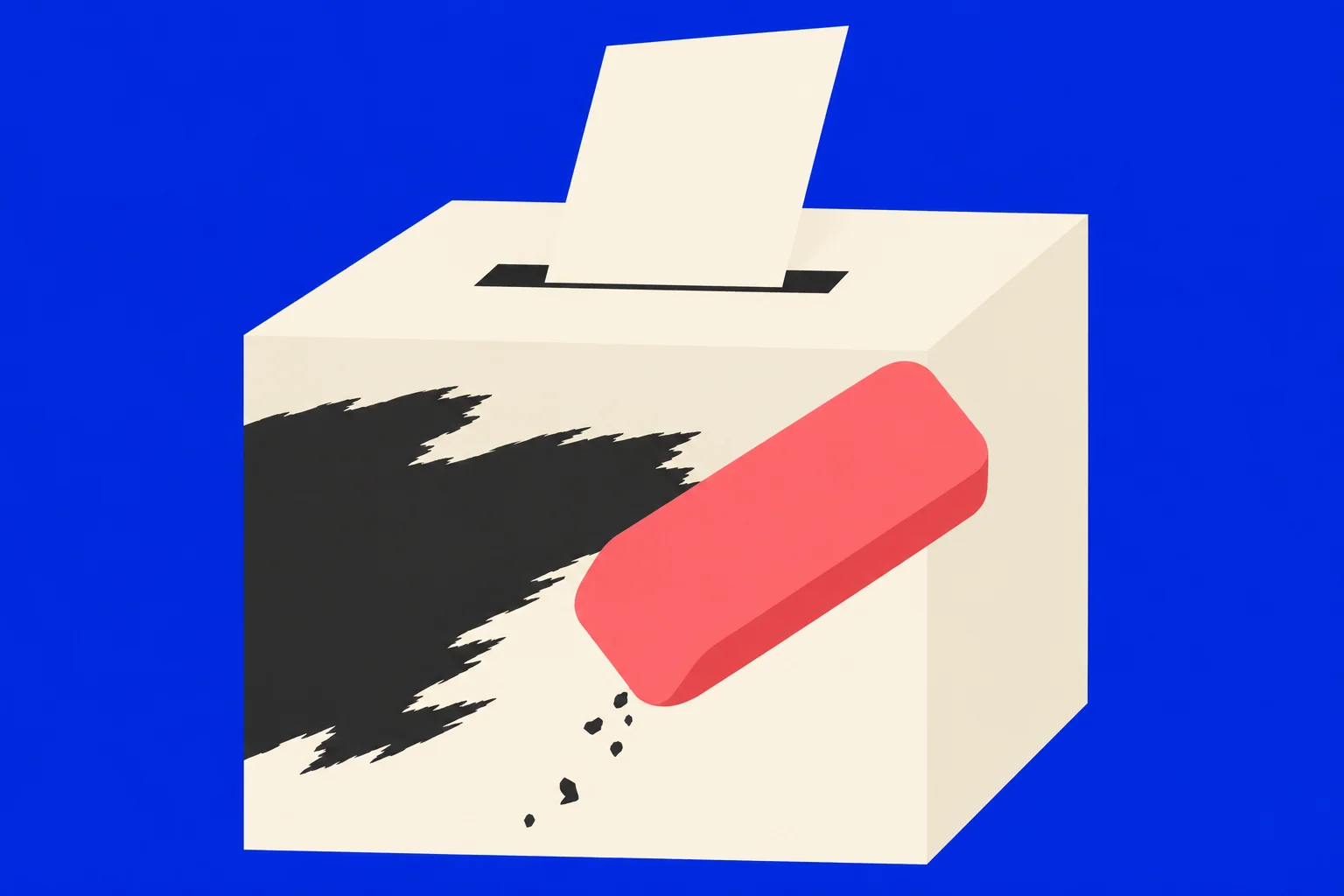
The questions went both ways. When Ra’am’s delegation came in, Israeli media reported, Herzog asked the party’s chairman, Mansour Abbas, whether he considers Hamas a terrorist organisation. Arab citizens have now voted in record numbers and been certified clean by the election authorities, and their representatives are still being asked to state their loyalties at the door. In Israeli politics that question was waiting long before this election.
What the calendar demands
The law gives Herzog seven days to consult the factions and hand over the mandate, which sets a deadline of 11 November, The Jerusalem Post noted as the talks began. The nominee will almost certainly be Netanyahu or Eisenkot, and whoever gets it will have 28 days to form a government, with a possible 14-day extension. If neither manages it, Israel goes to another election early next year.
Recommending a candidate is a different thing from forming a government. Even before the Arab vote came in, the final count left no route to 61 that did not break someone’s campaign pledge. Eisenkot now has his 67 names on paper. Eleven of them came with a list of grievances attached, and eight more came from a party the outgoing government accuses of buying votes.