
On Monday, in Warsaw, the most senior soldier of the North Atlantic alliance did something generals rarely do. He told the public how he would fight. General Alexus Grynkewich, the American who since 2025 has been both Supreme Allied Commander Europe and head of US European Command, went before the Warsaw Security Forum and, as Al Jazeera reported, boiled NATO’s answer to a Russian invasion down to three verbs. Block. Blunt. Break.
The plan had existed for some time in classified form. According to Stars and Stripes, it was finished about three months ago, and the general decided to unveil it because anxiety was growing inside the 32-member alliance. The panel he spoke on was titled “Theory of Victory: How Do We Achieve Military Success Against Russia in Deterrence and Defence?” He never said the word Russia. He did not need to.
“What I want to do is assure the one billion citizens of our alliance that we’ve got this,” he said. “We know what we need to do. We know how we would do it.”
Three verbs
The sequence is simple to state. Allied forces would first block an attack at the border and halt the advance. They would then blunt it, striking the incoming troops from the air, the sea and the land. Finally, if the aggressor kept coming, they would break him by going after supply lines and command networks. The aim, Grynkewich explained, is to stop an attack. Seizing enemy territory is not part of it. The tools come from the wars of recent years, in Ukraine and in the Middle East: precision weapons with “affordable mass”, meaning drones and other autonomous systems.
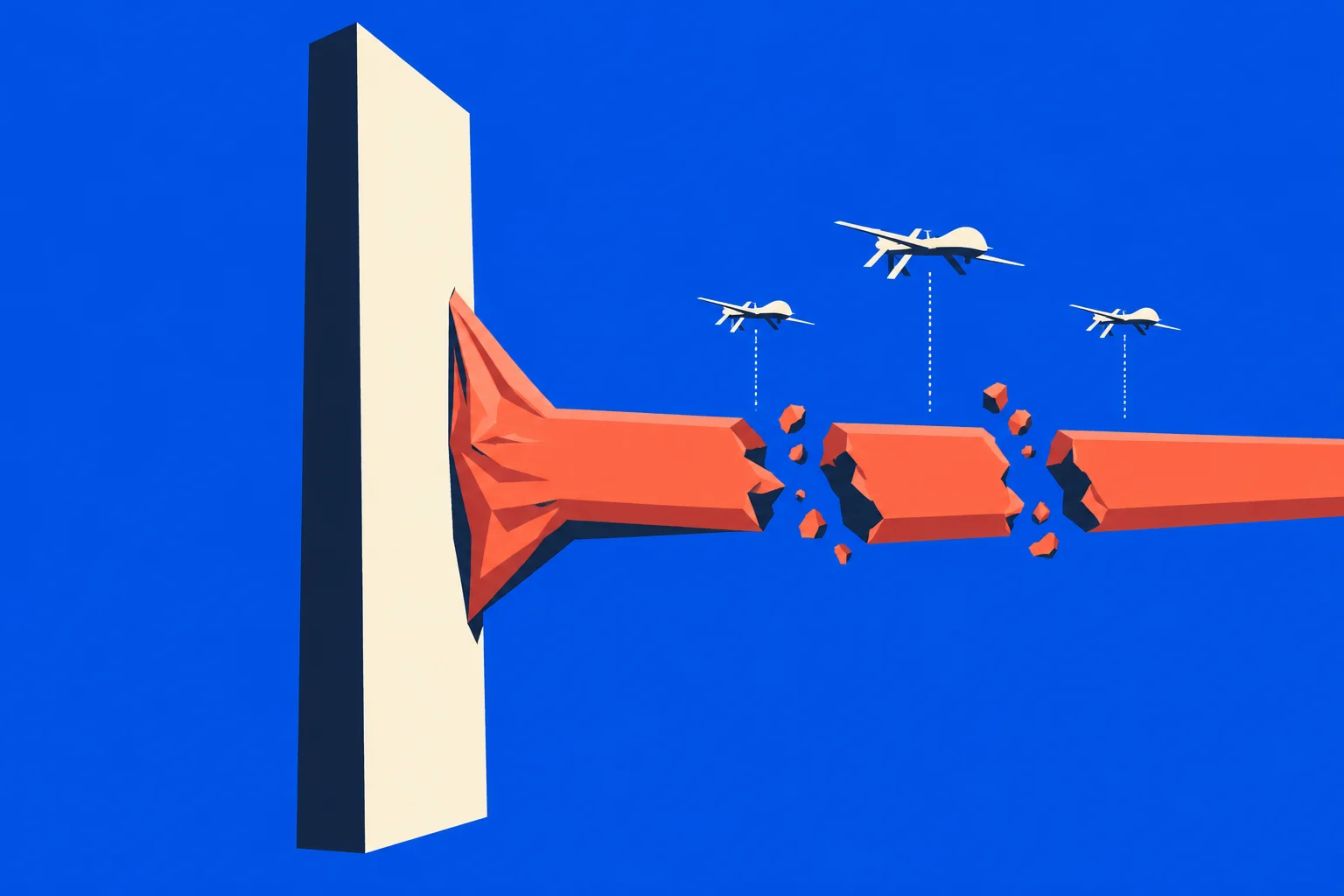
Enemy formations will be starved of replenishment. Enemy commanders will be unable to control their forces. Enemy forces and support capabilities will be reduced and destroyed.
He wrapped the threat in reassurance. A confrontation with Russia, he said, was neither “imminent or inevitable”, and Reuters quoted him as saying the purpose was to make any assault “utterly futile”. “Implementing the theory of victory I’ve described today would require me to issue orders that I hope to never give,” he said. “But let there be no doubt: should war come, we will block, blunt any attack, and then if it does not cease, we will break the forces conducting aggression against us.”
A general who reads out his war plan in public is speaking to two audiences: the enemy, who is meant to be deterred, and his own people, who are meant to sleep. Which of them needed it more on Monday is an open question.
A continent keeping count
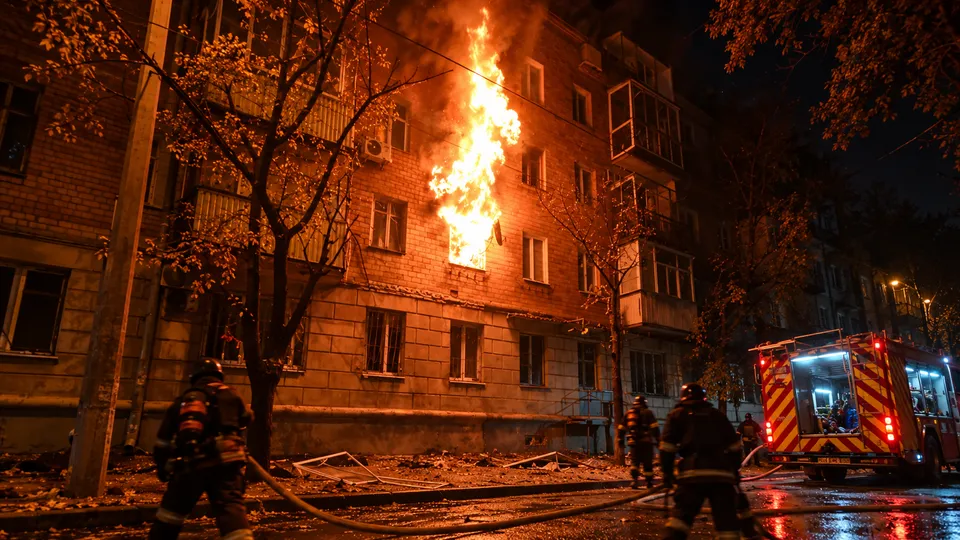
The capitals of Europe have taken to counting incidents. In Berlin, Martin Jaeger, the head of foreign intelligence, warned last week that Germany risked being pulled into a “violent conflict” with a Moscow that increasingly sees it as a principal adversary. He pointed to an attempted drone attack in August on a Ukrainian cargo plane at Leipzig airport. The interior minister, Alexander Dobrindt, speaks of a Russian-linked “shadow war” of sabotage, cyberattacks and covert operations. In Paris last month, President Emmanuel Macron said the hybrid threat had sharpened in recent weeks and ordered plans to protect critical infrastructure.
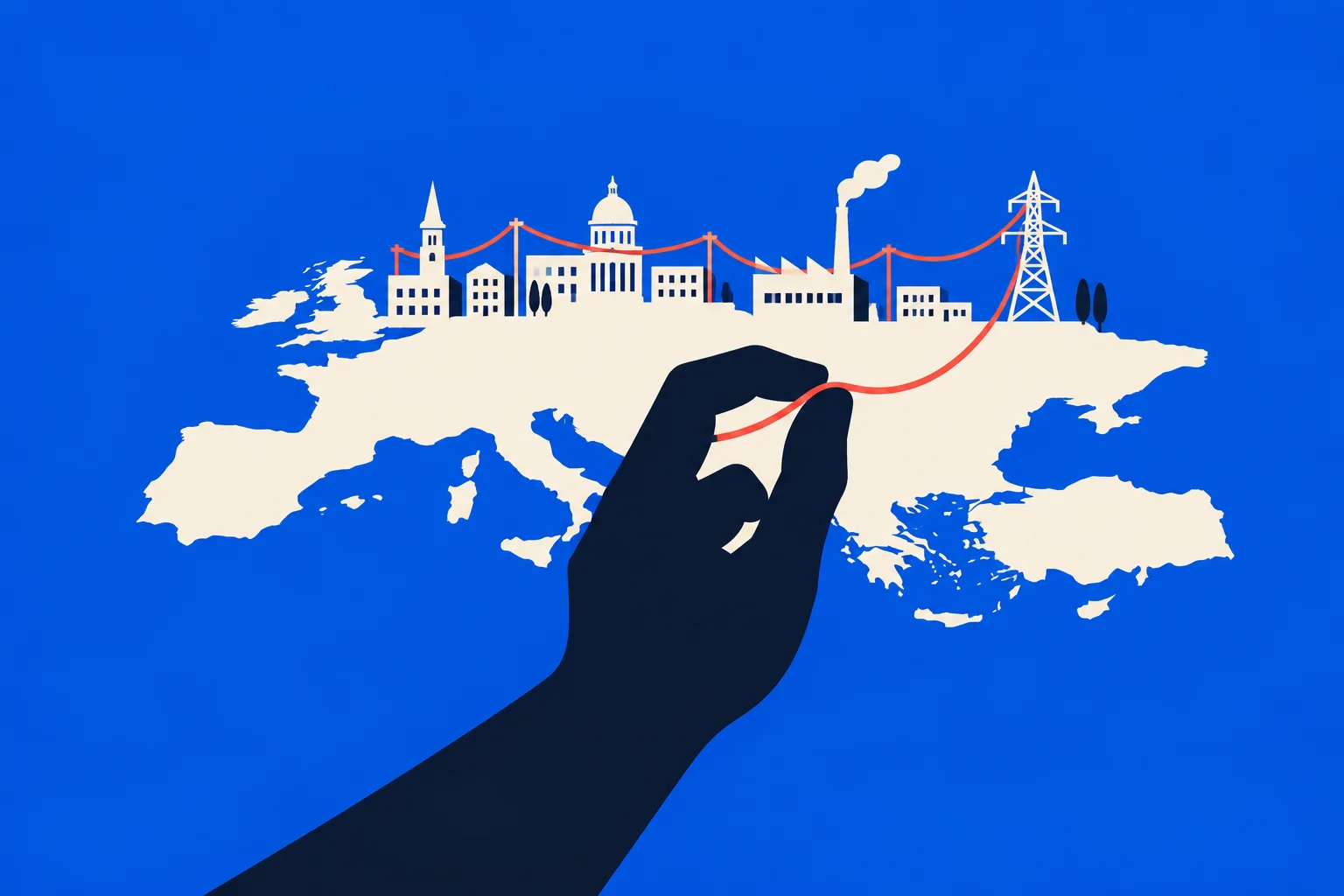
In London, Prime Minister Andy Burnham has said that on taking office he received confirmation that Russia interfered in the 2016 Brexit referendum. He has not set out the evidence. Last week he went to Berlin to see Chancellor Friedrich Merz, partly to talk about countering hybrid warfare. Romania’s Defence Ministry said in July that Russian drones had entered its airspace 33 times since the full-scale invasion of Ukraine in February 2022, 18 of them this year, and that its F-16s had shot down three this year. Poland blames Russian intelligence for an arson attack last month on a Starlink satellite station in Wola Krobowska. In Oslo, Beate Gangas, head of Norway’s Police Security Service, said this week that Europe faces its gravest security situation since the Second World War.
Late last month Moscow warned it would use its arsenal, nuclear weapons included, if the alliance tried to isolate Kaliningrad, the Russian exclave wedged between Poland and Lithuania.
Moscow’s version
Russia’s official tone moves between menace and denial. On August 17 its embassy in London said Britain’s supply of drones to Ukraine, used for long-range strikes inside Russia, “will inevitably carry consequences for which it will have to answer”, adding: “The deeper its involvement in the conflict and the greater its support for Kyiv’s terrorist machinery, the higher the price it will pay.” A month later, in St Petersburg, Vladimir Putin told reporters: “I want to emphasise once again: we are not preparing for any kind of hostilities with Europe.” Russia, he said, had “no real motive” to raise tensions. On resuming talks with Kyiv after Ukrainian strikes on Russian energy sites, he said the proposals were “all on the table”, but that Moscow would “give careful thought” to its response.
The question in Washington
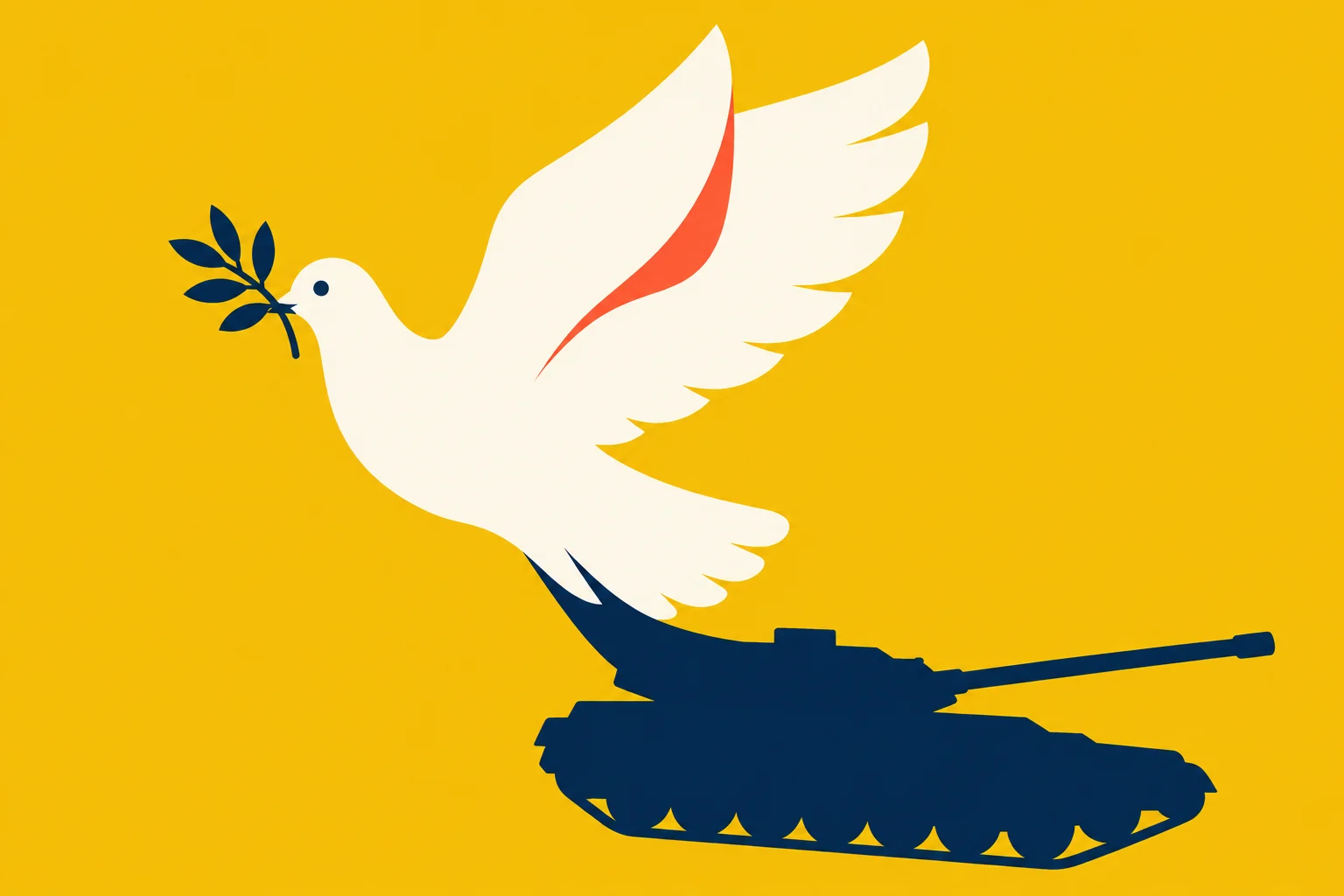
Any war plan rests on the will of the people who would carry it out, and this is where the alliance is weakest. President Donald Trump has repeatedly attacked allies for not paying enough for defence, and he was angered when most of them declined to join the US-Israeli war on Iran. In August, Andrei Fedorov, a former Russian deputy foreign minister, told the BBC that many military experts advising the Kremlin are “convinced” NATO would not respond forcefully to a Russian strike on Britain. “Trump will not allow NATO to answer,” he said.
Last month Washington invited Putin to December’s G20 summit in Miami. The European Union replied that Russia was still a member but that it would keep condemning the invasion whether or not he came. Then came diesel. On Friday, after a call with Putin, Trump announced a deal temporarily easing sanctions so that Russian diesel could flow to American and world markets. Axios reported that he made the announcement while his envoys, Steve Witkoff and Jared Kushner, were meeting Ukrainian and European negotiators in Miami. The administration said the deal could lower energy prices and draw Putin back to negotiations. Critics said it would fill Moscow’s war chest.
Volodymyr Zelenskyy called it “not fair and not honest” and, speaking to Axios, “a happy birthday present for Putin”. A US official told the same outlet that Trump acted after Zelenskyy ignored about six American requests to stop hitting Russian refineries. On Saturday Trump went further: “I suggest they get a new leader who can make a deal.” EU foreign ministers said Europe’s own sanctions would stay in place.
So in one week the alliance heard two promises. From a lectern in Warsaw, an American general told a billion people that NATO knew exactly what to do. From Washington, his commander-in-chief was easing sanctions on the country the general had spent the morning preparing to fight.