
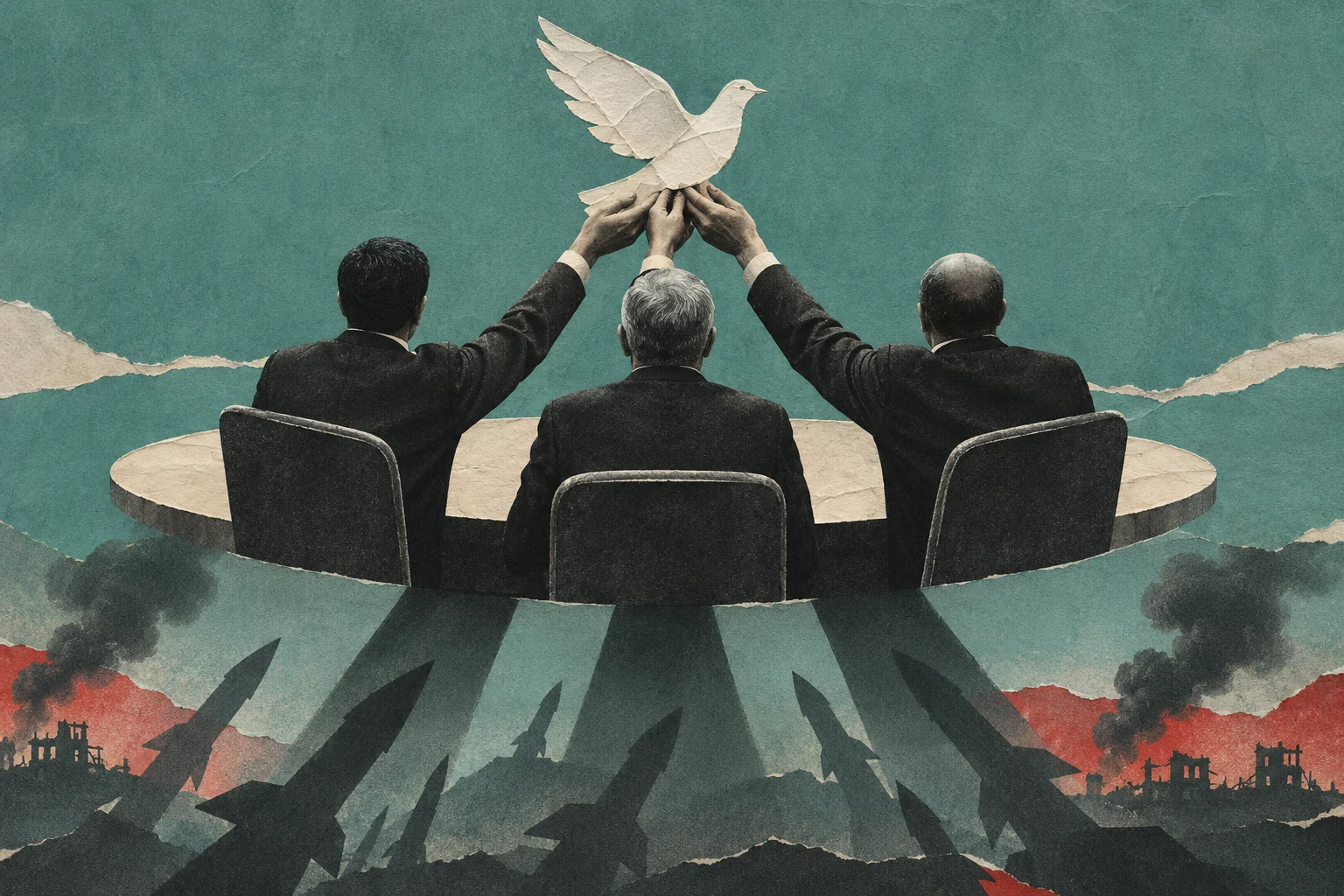
Three men commanding the world’s largest nuclear arsenals sat down in Shenzhen on Thursday and emerged after more than an hour with a document they called a “peace declaration”. Xi Jinping chaired the unprecedented meeting with Donald Trump and Vladimir Putin on the sidelines of the Asia-Pacific Economic Cooperation gathering, following bilateral talks among the leaders and three days of diplomacy that had also taken Trump and others to Manila. Al Jazeera reported their pledges to stabilise energy flows, prevent nuclear proliferation and develop mechanisms for closer cooperation.
“We’re making history,” Trump said, describing the participants as “three of the world’s largest nations”. He argued that earlier leaders had too often refused contact with adversaries: “No peace [was] ever forged by declining opportunities.” Xi urged the three countries to abandon a “Cold War mentality” and become friends. Putin likewise said constructive cooperation could strengthen global stability. All three presented the protection of the world as their responsibility. Beyond the meeting, multiple wars continued, including the American war on Iran and Russia’s war on Ukraine.
Oil beneath the language of peace
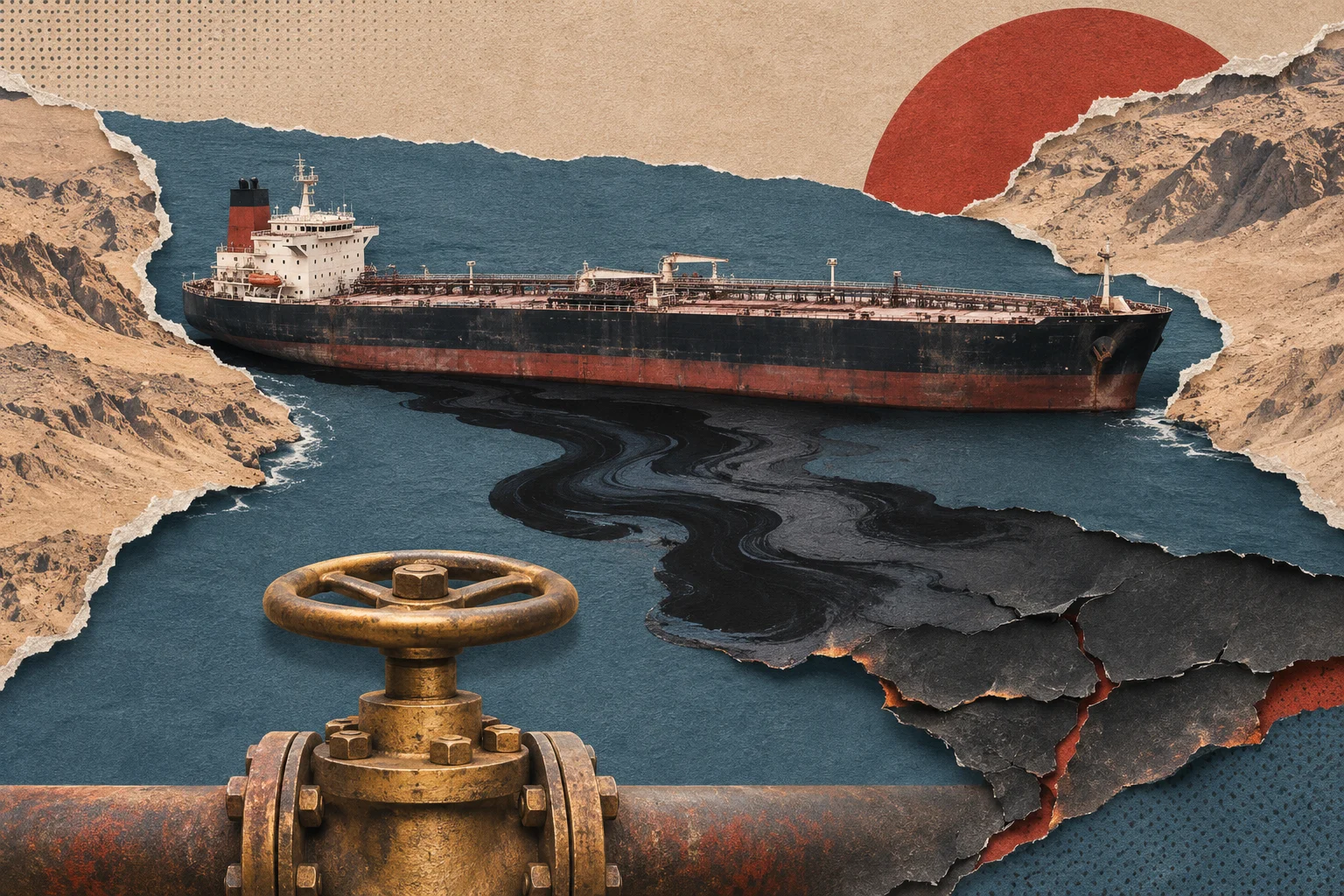
The declaration reaffirmed stable energy flows, according to Chinese state media. The pledge confronts a physical bottleneck: after the United States attacked Iran in February, Tehran closed the Strait of Hormuz, through which a fifth of global oil supplies had previously passed. Ukrainian attacks on Russian energy installations have added to the disruption. Yet neither war shows an end, and the declaration offered no clear method for reconciling the three governments’ different priorities with its promise of stability.
The war on Iran otherwise went undiscussed, apart from Trump’s insistence that Tehran cannot possess a nuclear weapon. A Kremlin spokesperson said Ukraine was not the trilateral meeting’s “central topic”, although it occupied a central place in Putin’s earlier bilateral talks with Trump. Trump also asked Xi to help resolve that war. The suffering driving the energy crisis therefore surrounded the declaration without receiving a settlement inside it.
A dialogue among arsenals
Before the meeting, Xi stated: “Nuclear weapons should be comprehensively banned and thoroughly destroyed, building a nuclear-free world.” He added: “Nuclear war cannot be won and must not be fought; every effort must be made to prevent it.” The joint declaration adopted the broad direction of that language, committing the three powers to dialogue on reducing nuclear risks and preventing proliferation, alongside strategic stability and international security.
Trump said the holders of the biggest arsenals were “uniquely positioned to discuss nuclear weapons”. He also said Xi agreed that Hormuz must remain open and that Iran must not obtain nuclear weapons; Tehran repeatedly maintains that its nuclear programme is civilian and that it does not seek weapons. The commitments followed discussions in which China had resisted a three-way cap on warheads. Thursday’s language promised a conversation rather than numerical limits.
Berlin watches Shenzhen
While the three presidents met, European leaders gathered in Berlin for the Coalition of the Willing, which coordinates support for Ukraine; analysts described their mood as nervous. Xi and Putin had already used the Shenzhen gathering to pair talk of a new order with attacks on Western power and Europe. Now came the possibility of a more durable G3: three governments assuming the authority to address conflicts and economic disruptions extending far beyond their borders.
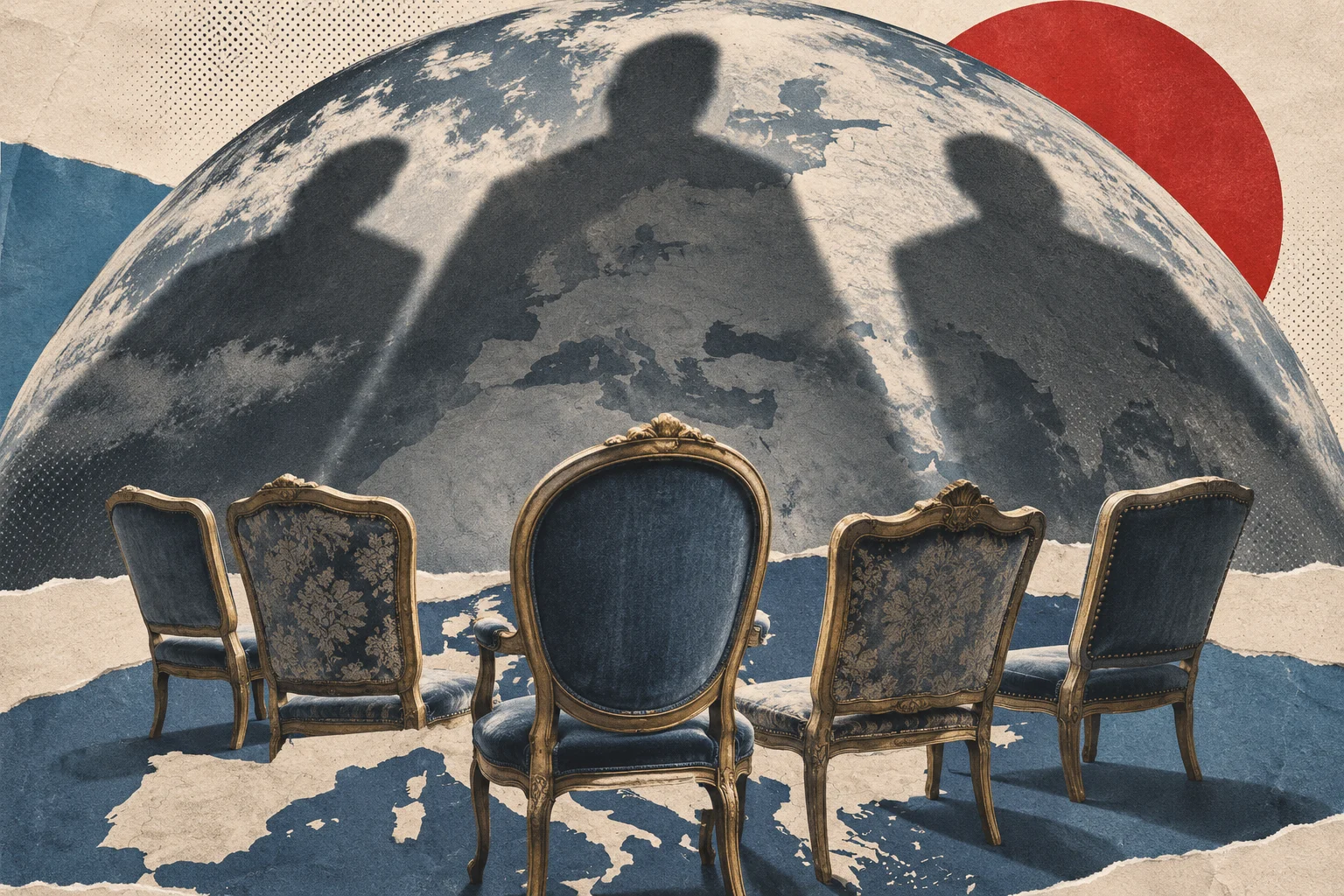
The next test may come at Trump’s G20 summit in Miami next month. Xi is almost certain to attend, and Trump has invited Putin. Russia remains a G20 member, but Putin has missed recent summits because of the International Criminal Court warrant concerning the Ukraine war and European members’ refusal to share a room with him. The United States does not belong to the ICC and would have no obligation to arrest him. “The discussion at the trilateral summit was very frank and helped the leaders to better understand one another,” Putin said.
A common objection to the court
The declaration also demanded that the ICC and “similar institutions” not “abuse their positions”. None of the three signatories is a court member, but each has its own grievance. American hostility intensified after investigations into alleged abuses by US soldiers in Afghanistan and the warrant for Israeli Prime Minister Benjamin Netanyahu on war-crimes charges concerning Gaza. Washington has imposed sanctions on the court and its officials and made dismantling the institution an explicit policy objective.
Russia’s opposition hardened after the court issued its warrant for Putin. China, once more restrained, became a vocal critic following warrants against sovereign leaders including former Philippine president Rodrigo Duterte. Activists have also petitioned the ICC over allegations of genocide against the Uighur community in Xinjiang, an accusation Beijing rejects. In Shenzhen, those separate disputes supplied the three leaders with one cause they could condemn together.