
Jerusalem – There is no shortage of reasons a voter in Israel might be angry this October. The fallout of wars fought on several fronts, demands for accountability over security failures, a cost of living that climbs while the coalition bargains — all of it hangs over the general election called for Tuesday, October 27. Yet as Simon Speakman Cordall reports for Al Jazeera, the issue that has come to rule the headlines of the campaign is an older quarrel than any of these: whether Israel’s ultra-Orthodox Jewish minority should serve in the military.
It is, on its face, an administrative question — an enlistment file, an exemption clause. In Israel it is the question of all questions, because it asks what the state is for and whom it is bound to protect, and it divides the country between those who carry the rifle and those who, by ancient arrangement between the rabbis and the politicians, did not have to.
A ruling that broke the old bargain
That arrangement ended in a courtroom. The law that allowed blanket exemptions for yeshiva students expired in 2023, and in 2024 the High Court of Justice ruled that ultra-Orthodox men were obligated to enlist. According to the Times of Israel, more than 79,000 conscription orders have been issued to Haredi men since that ruling.

The court did not stop there. On April 26 of this year it accepted petitions to enforce the conscription obligation and to implement its own 2024 judgment, opening the way to sanctions against individual Haredi men who refuse the draft, as the Library of Congress’s legal monitor records.
The numbers tell their own story of defiance. Attorney General Gali Baharav-Miara said this week that 67,230 ultra-Orthodox men are currently classified as draft dodgers or have refused to report to enlistment offices after receiving their orders, and she urged the High Court to weigh further sanctions. A conscription the state decrees and the yeshivas decline is not a law; it is a negotiation — and the negnegotiators are counting their seats.
Whoever promises the exemption
That is the arithmetic the election will now settle. United Torah Judaism has set its price openly. Its candidate Moshe Rosenthal has said the party will join any government that preserves the exemptions: “We will go with whoever commits to passing a conscription law that can withstand High Court scrutiny,” Foreign Policy reported.
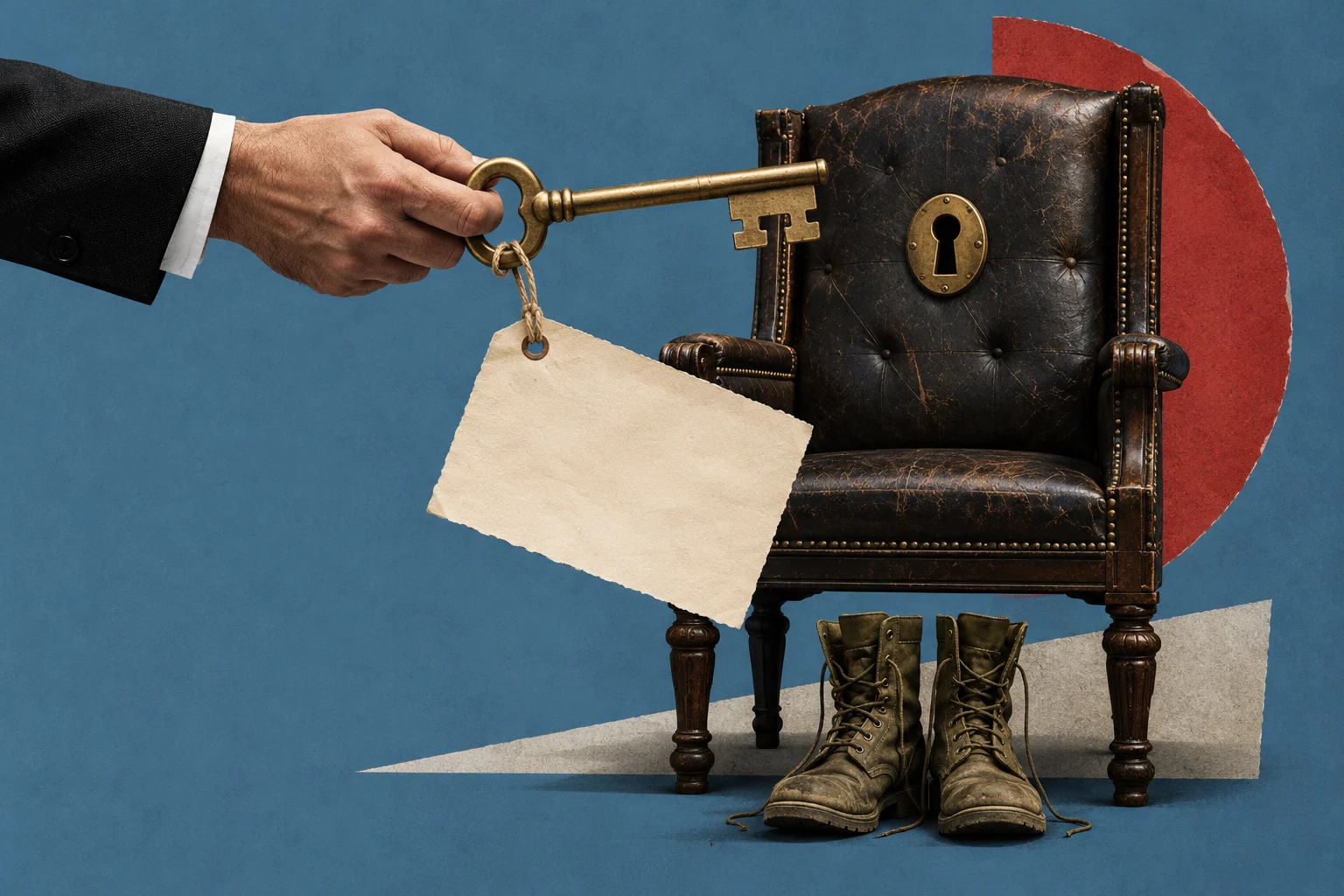
The Haredi parties had already rejected the latest draft-exemption bill in May — dissatisfied, from the other side, that it conceded too much — setting the stage for this autumn’s elections. The country now faces its sixth election in seven years, with neither bloc assured of a majority in the 120-seat Knesset and the ultra-Orthodox parties once again holding the keys to whichever coalition can pay for them. Three weeks before the vote, even the spiritual leadership was drawn in: remarks by the elderly Rabbi Dov Lando, questioning the state his party helps govern, put Netanyahu’s ultra-Orthodox allies publicly on the spot.
Every state on earth wrestles with the question of who must die for it. Israel has merely made of that question a permanent institution — a parliament that meets every few years, ostensibly to choose a government, in practice to reissue the same writ between the synagogue and the barracks. On Tuesday the voters will answer again. The rifle, as ever, will wait for the Knesset to catch up.