
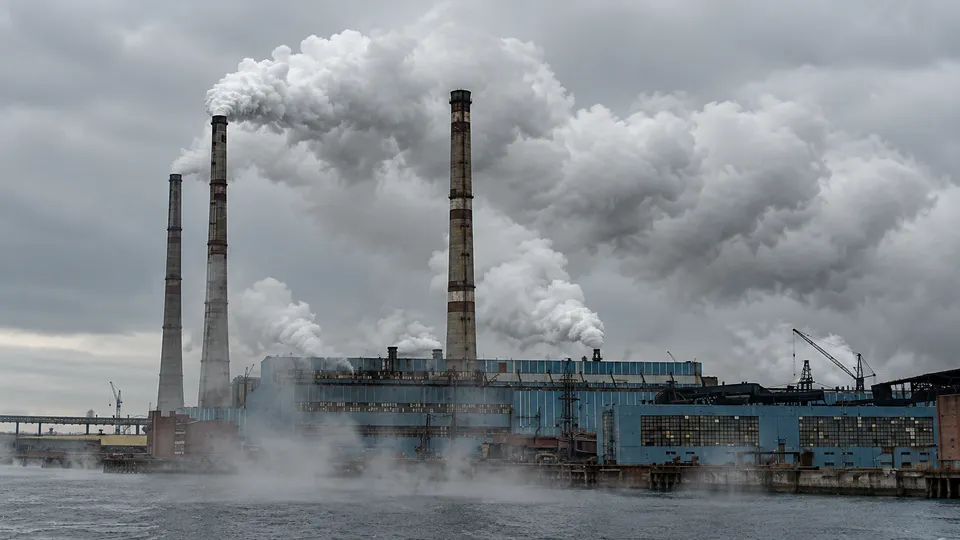
The first jobs of the energy transition are simple to describe. Run cars and heating on electricity, then make sure that electricity comes from renewables. Writing in Ars Technica, Scott K. Johnson points out what follows: once the big slices of the emissions pie have shrunk, the smaller ones start to count. One of those smaller slices sits inside the object the whole transition leans on.
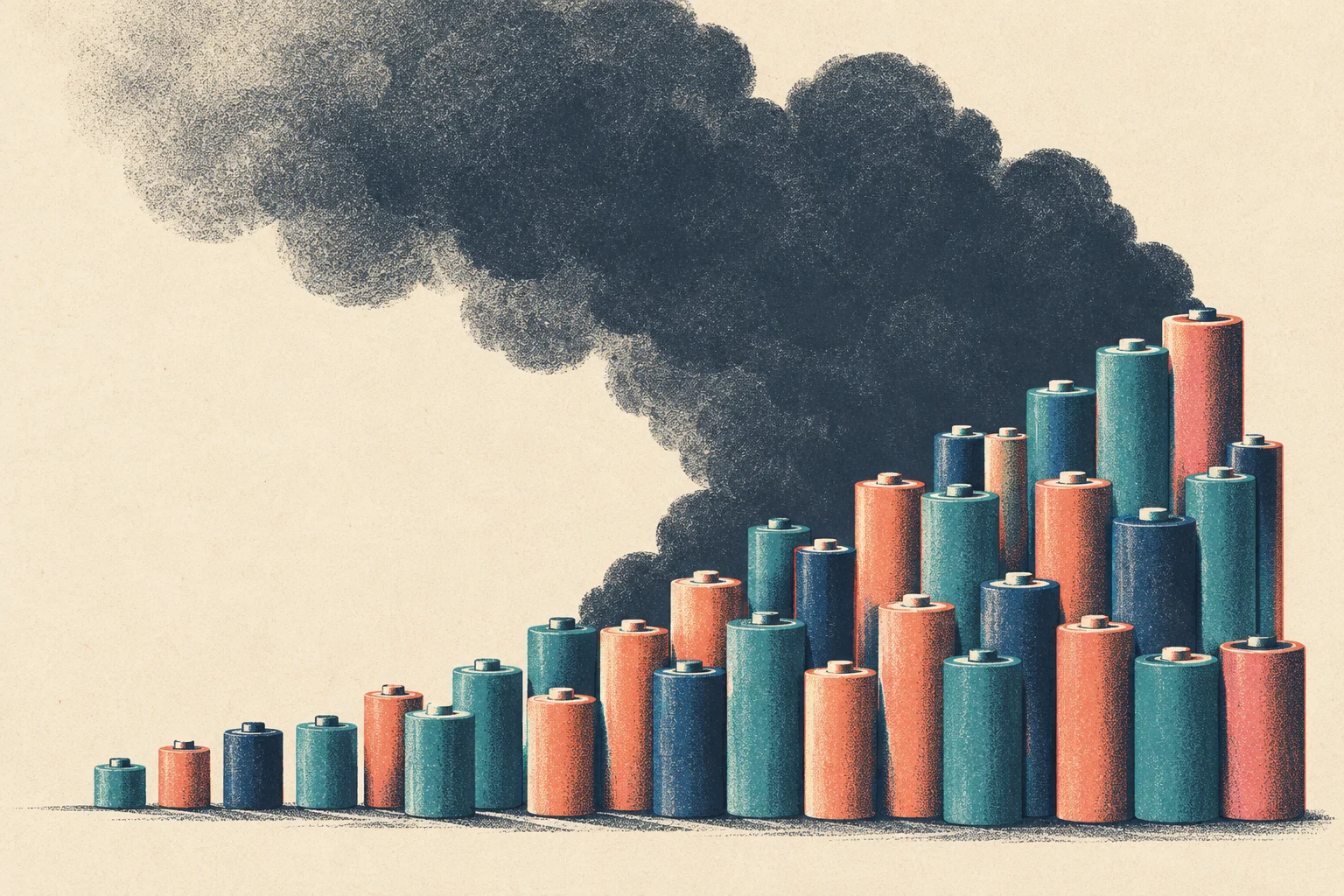
That object is the lithium-ion battery, and making one is not free of carbon. A team led by Haiwei Zhou at the University of Melbourne estimates that battery manufacturing now accounts for 0.18 percent of the world’s annual greenhouse gas emissions. That is almost nothing. By 2050, they estimate, it could be ten times as large, or larger.
Twenty times the batteries
The study appeared in the journal One Earth, and the university announced it on 17 October. It follows the global battery supply chain from 2024 to 2050: the materials, the components, the cell factories, and what happens to a battery when it dies. It covers the batteries in electric cars, vans, buses and trucks, and the ones that sit in stationary storage and hold the grid’s surplus. According to the university’s announcement, demand for these batteries could grow twentyfold by mid-century, and the emissions of their supply chain about tenfold. Associate Professor Wen Li led the research, with collaborators from the Chinese Academy of Sciences and the University of Sheffield.
The future in the model is not just today’s world made bigger. The researchers used International Energy Agency scenarios, allowing for regional differences in demand and in how electricity is generated. Each estimated saving is measured against a world that will have more batteries, more dead batteries waiting to be recycled, and a cleaner grid. A factory in 2040 will run on different power from a factory in 2024, and the calculation has to reflect that.
The engineer’s remedies
The familiar fixes come from engineering. Some lithium-ion chemistries use elements that take more energy to mine and refine than others, so a different chemistry can be chosen. The manufacturing process has many steps, and many of them could use less energy. Recycling returns materials to circulation for far less energy than mining them again. Each of these lowers the carbon cost of a single battery.
The Melbourne team concluded that these measures cannot hold back the coming rise by themselves. Without further action, their scenarios put cumulative emissions over the period at about 19 billion to 23 billion tonnes of carbon dioxide equivalent. Switching chemistries, greening factories and recycling materials account for about 3.5 billion to 4.7 billion tonnes of mitigation. That is a real saving, but it is not enough to bend the curve.
The battery never built
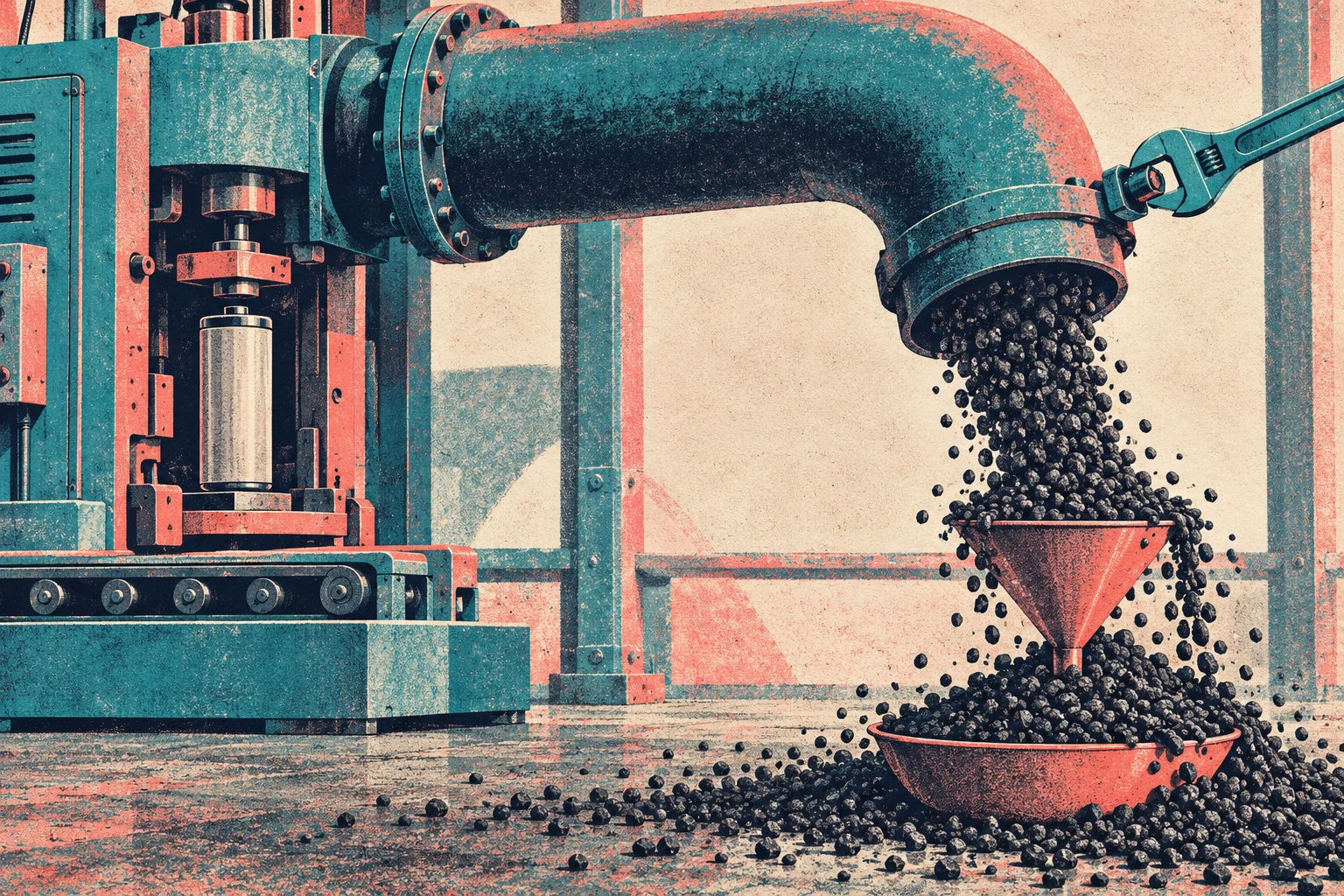
So the researchers looked at demand. Instead of making each battery a little cleaner, they asked what happens if fewer are needed. The levers Li named are smaller batteries, longer-lasting batteries and more shared mobility. Together, the university reports, these demand-side strategies save around 6 billion to 7 billion tonnes, more than all the supply-side improvements combined. With ambitious action on both sides, cumulative emissions fall to roughly 9 billion to 12 billion tonnes. The university says the total reduction is comparable to the European Union’s annual emissions.
A reflection, not a finding: industry rarely wants to hear that the cleanest product is the one it never makes. Industrial policy tends to count success in output. Governments compete for factories rated in cells per year, as Canada did when it staked billions on battery plants whose customers turned out to be late, and carmakers have paid Chinese partners to set up nearby. A study that says the bigger saving lies in needing less runs against that habit.
Zhou’s own conclusion was put in the careful language of the academy:

“For policy and industry, battery decarbonisation should move beyond regulating production emissions alone.”
Read plainly, the levers the study points to are not inside the factory. How big a car’s battery should be, how many years it should last before replacement, and whether a vehicle sits parked most of the day or is shared are questions about how people live and travel. They also concern the people the transition is meant to serve, who will pay for the cars and the storage and will breathe whatever the supply chain releases.
Where the map is still blank
The researchers say their model is coarse in one important respect. Mining, refining, electricity and environmental pressures differ greatly from one place to another, so a tonne of lithium does not carry the same burden everywhere it comes from. The team’s next step is to sharpen the model’s regional detail. They also want to test whether the same pattern, where restraint saves more than cleaner production, holds in other clean-energy supply chains such as wind turbines and solar panels. Both the press release and the version circulated through Scimex describe those questions as unanswered for now.