
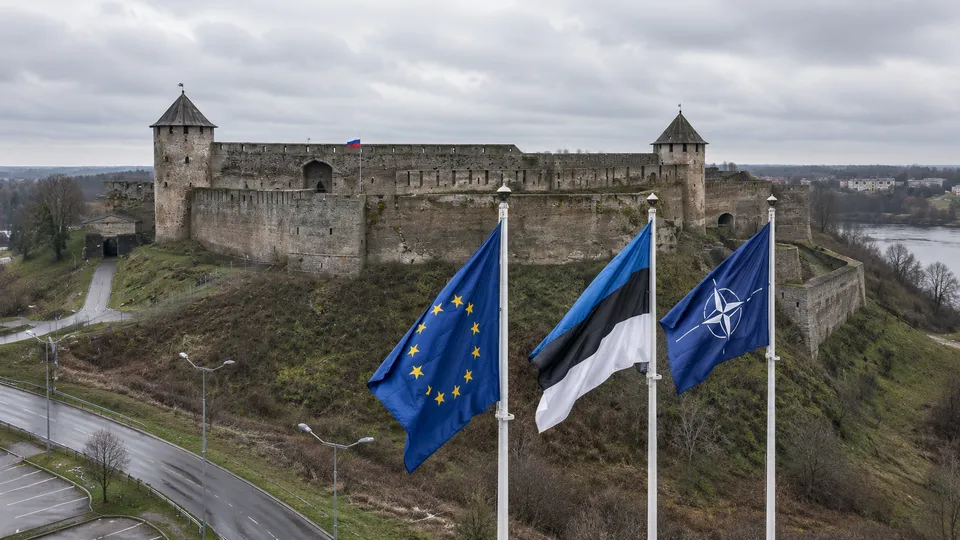
A border is a promise that two states make about where one ends and the other begins. For most of the past three decades the line between Estonia and Russia has also been a road, with traffic in both directions. On Friday, 20 November 2026, the government in Tallinn decided that from 1 December the road would close.
As Al Jazeera reported, the cabinet approved a preliminary six-month closure of every road crossing on the country’s eastern and southern frontier with Russia, and will decide next year whether to extend it. Moscow answered quickly, with a phrase taken from the last century: a “new Iron Curtain”. It promised to respond.
What closes, and what stays open
The measure is narrower than the rhetoric around it. According to Reuters’ account of the decision, the order suspends the movement of people and vehicles through the road checkpoints, and the government counts five such points where travellers now enter or leave Russia. Rail freight will keep running, though under strict customs inspection.
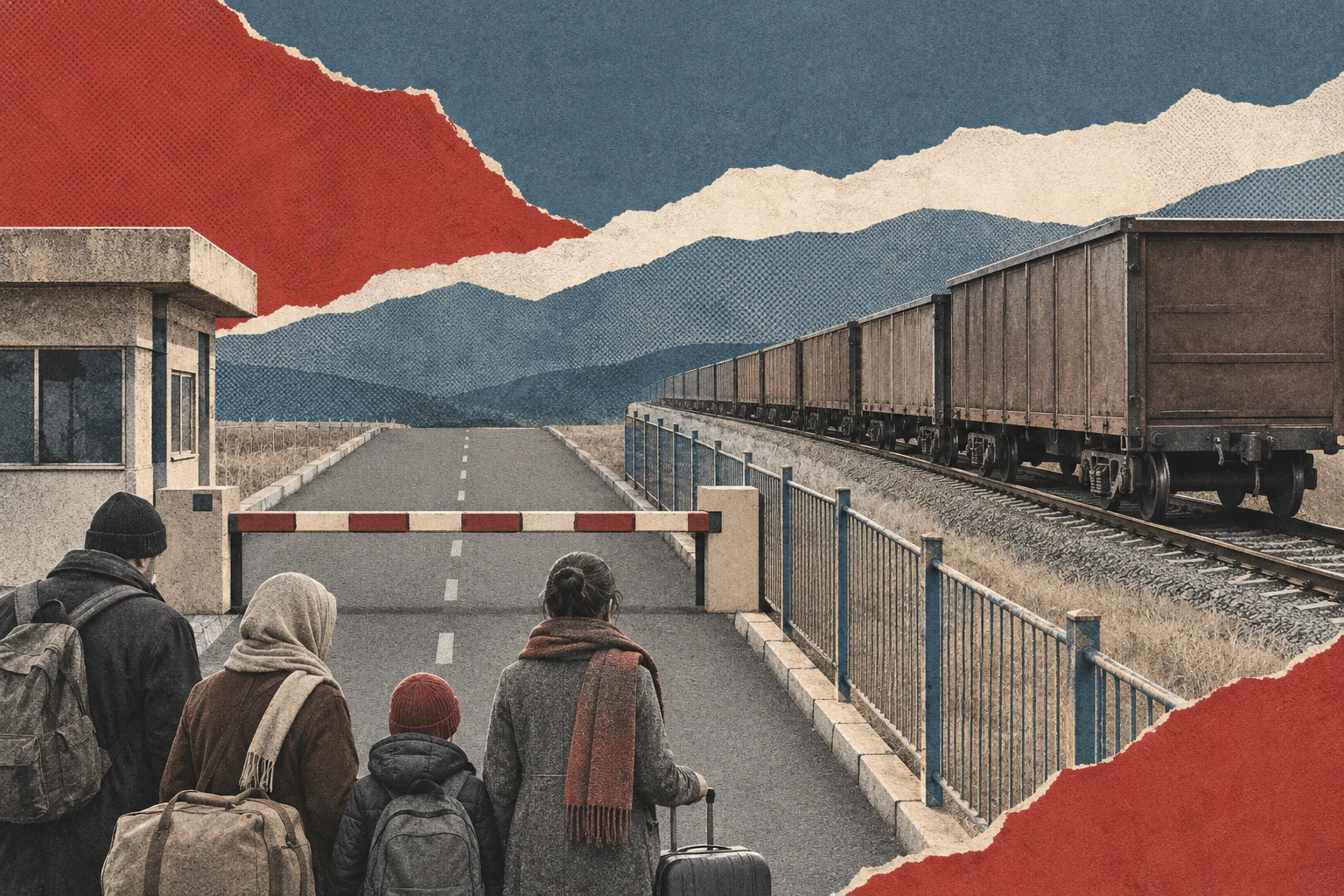
That leaves an asymmetry worth thinking about. Goods will still go through, inspected. People will not. A state that fears what travellers might carry across its frontier has decided that cargo is easier to search than a person.
The fire that started it
Tallinn first announced the closure earlier in November, after what it called an attempted arson attack on Threod Systems, an Estonian drone maker. Estonian authorities blamed Russian military intelligence. The Kremlin rejected the accusation and said it was part of a pattern of false charges made by European states. Rews covered the failed fire and Estonia’s first announcement at the time. Bloomberg’s report on Friday’s decision put the closure down to sabotage incidents, in the plural.
The government’s reasoning goes further than one burned workshop, or one that was meant to burn. “The decision is a response to Russia’s ongoing hostile actions against Estonia and other European countries,” its statement said, according to Reuters. The statement also named a quieter, more personal danger: “Russian security services are intimidating and trying to recruit our citizens who are travelling through our border checkpoints.”
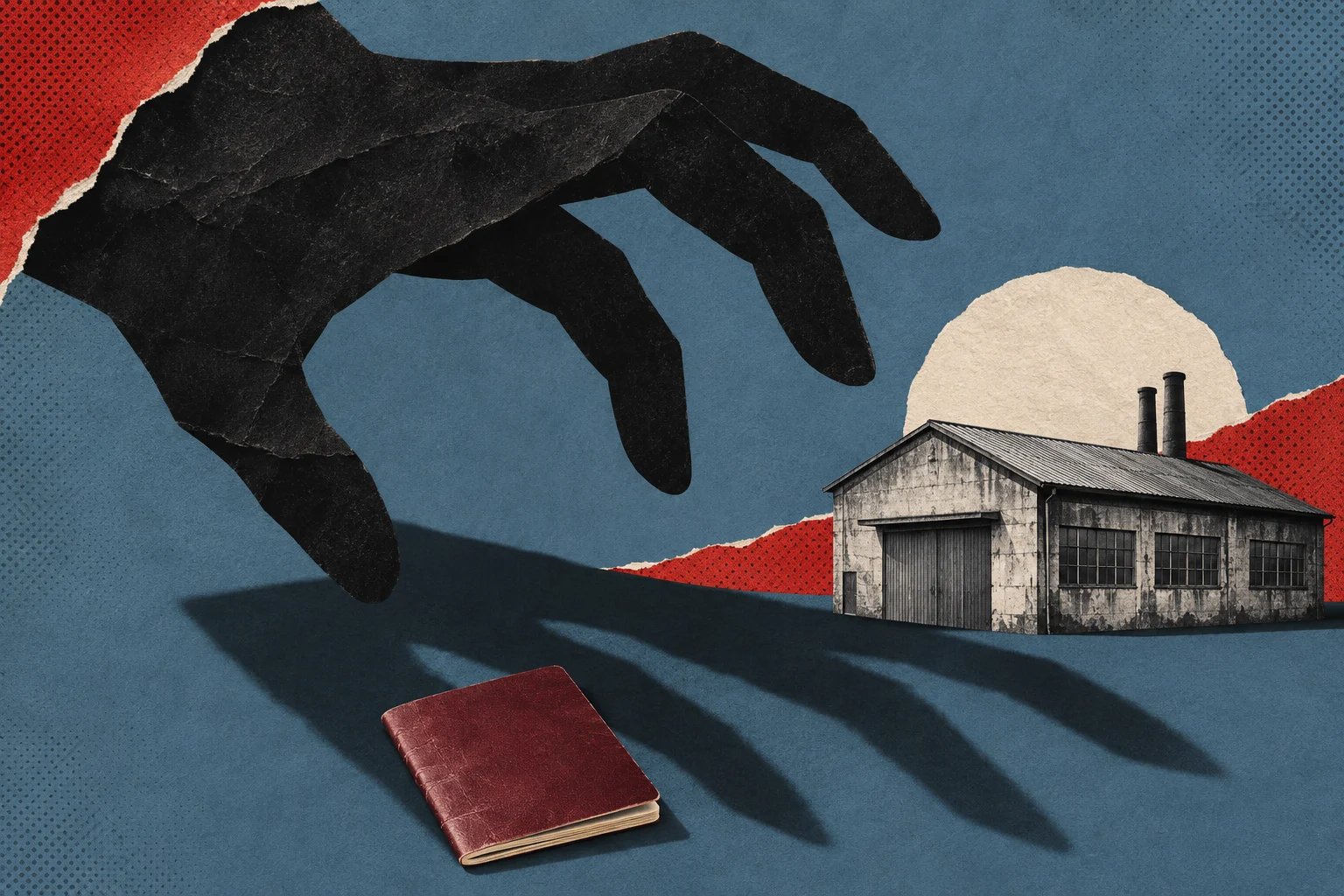
Foreign Minister Margus Tsahkna called the closure “an important measure”. It would limit the use of cross-border travel, he said, “to recruit people, conduct influence operations, organise acts of sabotage or circumvent sanctions.”
Moscow’s reply
Maria Zakharova, the Russian foreign ministry spokeswoman, said that if Tallinn went ahead, Russia “will take the necessary political and diplomatic measures in response to safeguard its national interests.” She described the plan as an attempt to raise the barrier “under the false pretence of some sort of threat from the East.”
The irony is old and thick. The Iron Curtain was the Soviet Union’s border, built to keep people in, and Estonia was on its inside. Now Moscow uses the phrase to complain about a small neighbour of about a million people closing a road. Empires rarely remember which side of the wall they stood on.
The people on the road
The decision will be felt by people, more than by ministries. Estonian police data show that 760,000 people have crossed the Estonia-Russia border so far this year. Of them, 307,000 were Russian nationals, 175,000 were Estonian citizens and 54,000 held Finnish passports. The remaining crossings, about 224,000, were made by people of other nationalities.
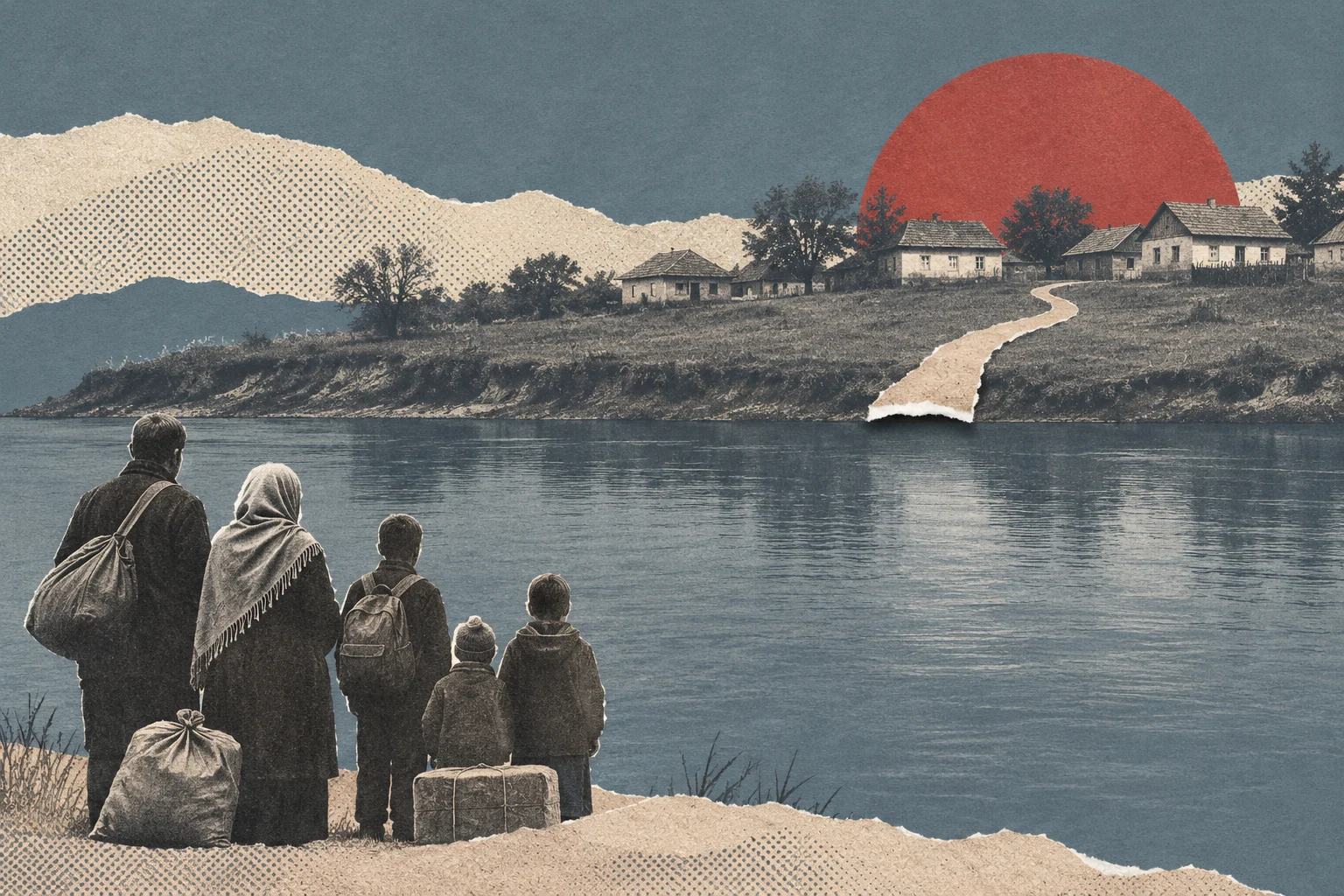
Behind those figures are families split across the frontier, pensioners, workers, people visiting graves or relatives. At Narva the border follows a river, and a bridge crosses it. For six months at least, anyone who wants to cross that river by road will have to find another way, through Latvia, which still keeps its crossings open, or not travel at all.
The geography of the region’s closures is now plain to see. Finland, to the north across the gulf, shut its land crossings with Russia in 2023 and has kept them closed. With Estonia’s decision, the frontier is closed to road travellers from the Arctic down to the Latvian border. Latvia and Lithuania, further south, still let people through.
A preliminary measure
The government calls the closure preliminary, and the review set for next year is real. Even so, a road closed in fear rarely reopens on schedule. Whether this one does depends on things decided in Moscow, in the offices of military intelligence the Estonians blame and the Kremlin says have done nothing, more than on anything Tallinn can control.
From 1 December, the trains will carry freight through the customs sheds, and the road at the river will be empty.