
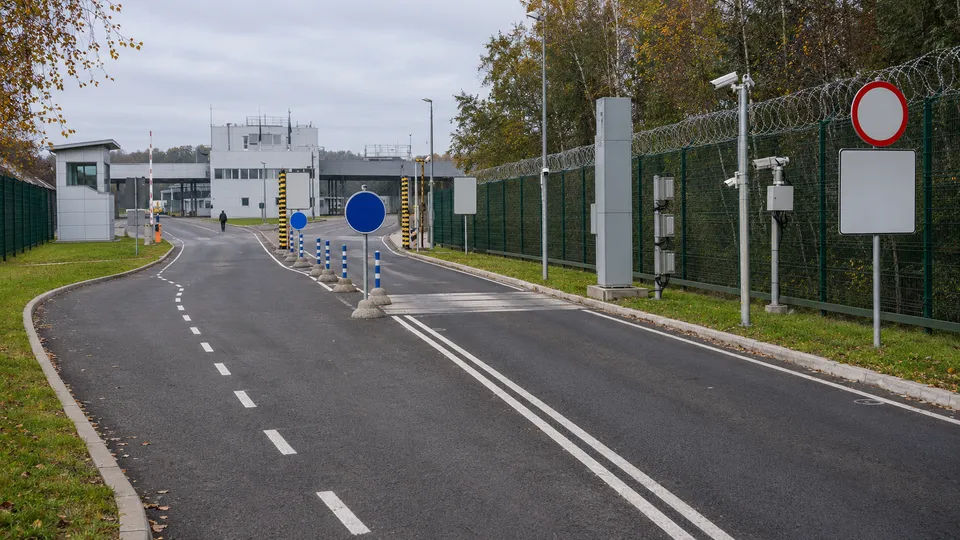
A person can still walk from Estonia into Russia in three places: Narva in the north, Koidula and Luhamaa in the south. From 1 December, Tallinn says, there will be none.
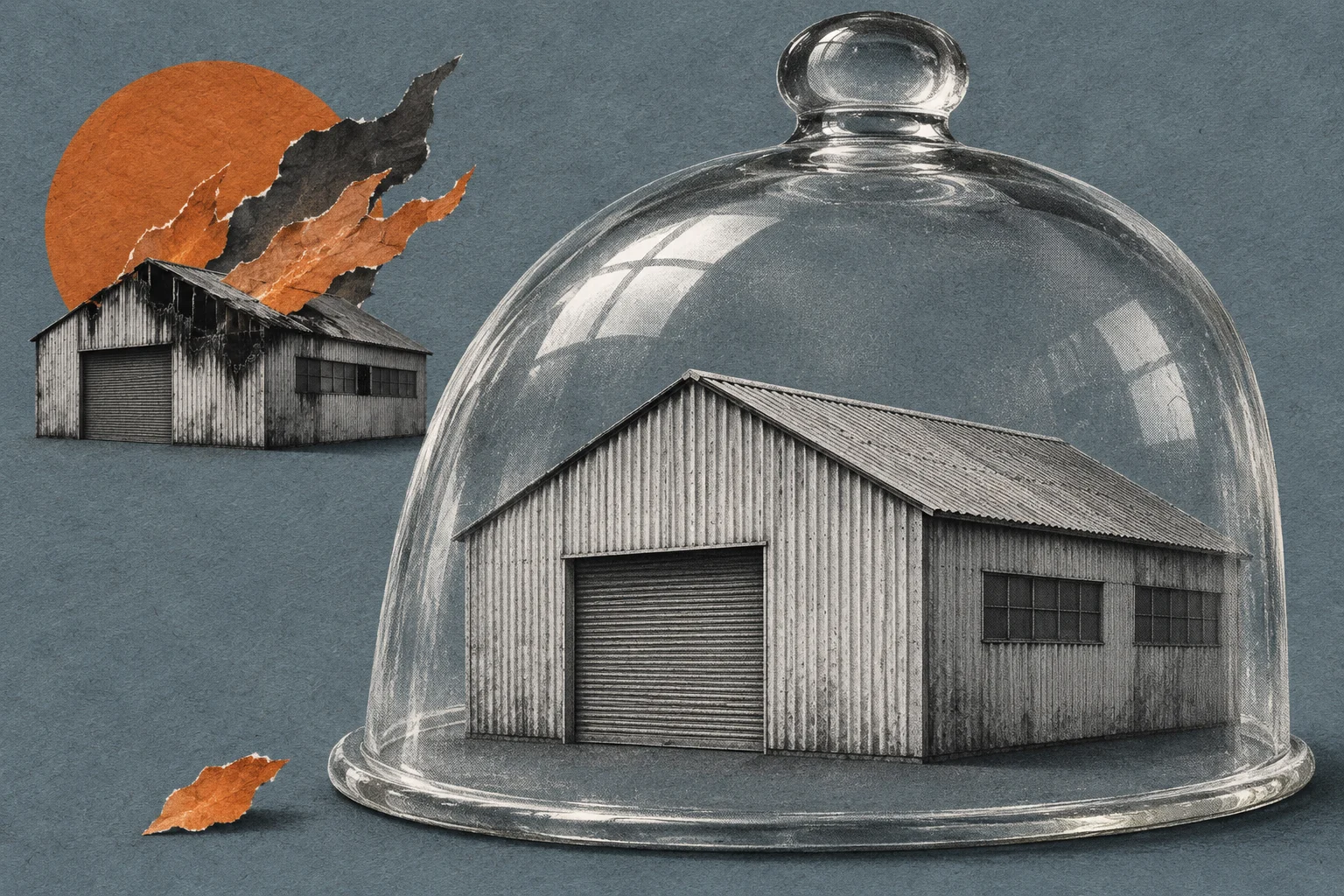
No tank column brought this about, and no missile. It was a fire that never properly started. In the early hours of Saturday 14 November, people tried to attack Threod Systems, a company that builds long-range attack and reconnaissance drones. As the Guardian reported, the company’s own security team responded, nobody was hurt and nothing was damaged. Eight people were detained.
The night in Viimsi
Kapo, Estonia’s internal security service, said the attack was carried out “with the aim of causing an explosion and setting the building on fire”. The public broadcaster ERR placed the premises in Viimsi, just north of Tallinn. According to ERR, prosecutors and Kapo say the plan was to smash windows, pour in flammable liquid and set it alight, and the eight detained are Latvian citizens. Prosecutor General Astrid Asi credited Threod’s security staff with stopping them. Authorities have asked a court to keep five of the eight in custody.
Kapo says the order came from the GRU, Russia’s military intelligence service. Its director general, Margo Palloson, called the plot “another attempt by Russia to carry out an act of sabotage in Estonia.” The agency says the GRU recruits from criminal or financially strained circles, choosing people who can travel freely inside the Schengen zone.
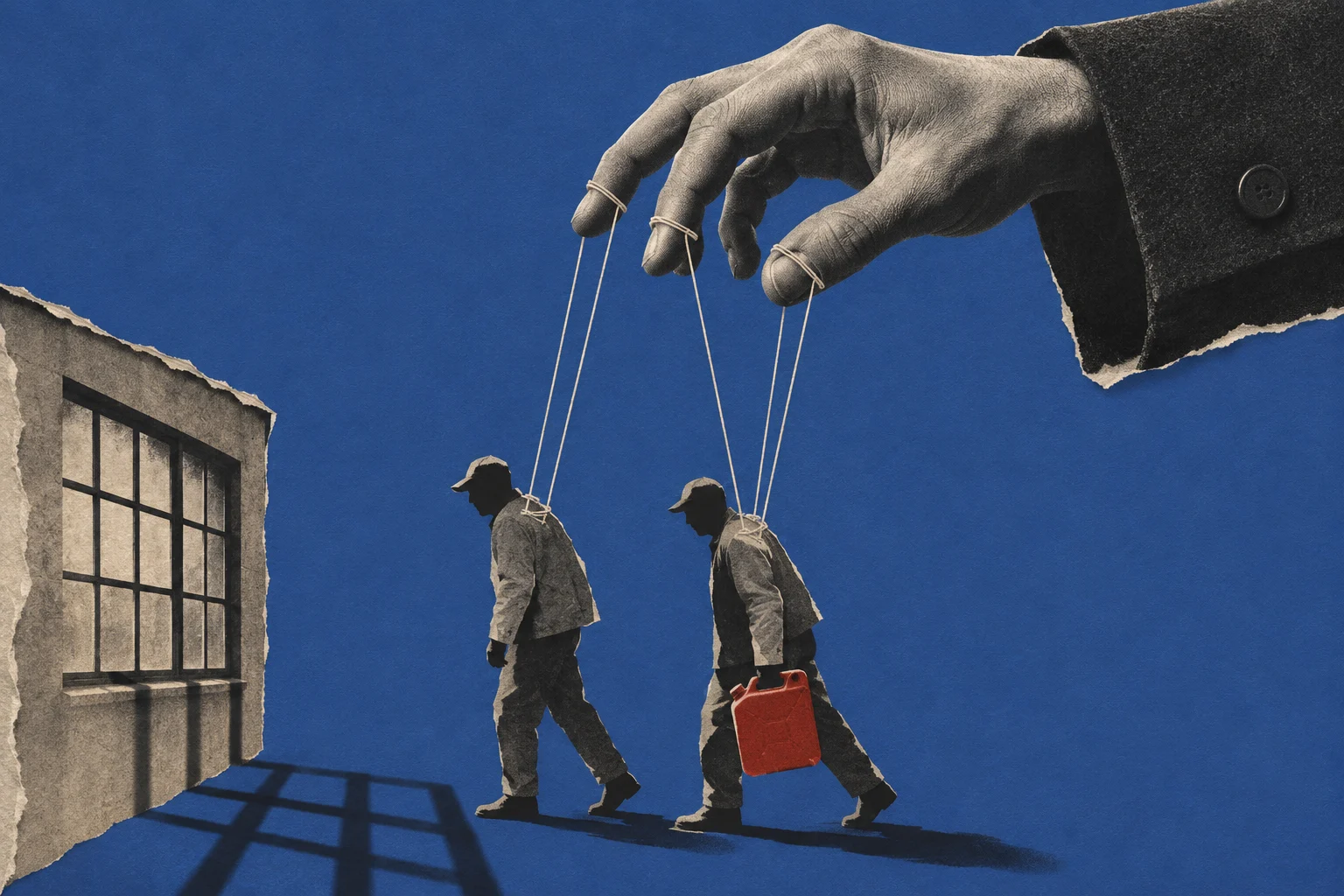
What follows is reflection, not reporting. A great power that does not want to fight its small neighbour openly can still hire strangers to carry petrol to the neighbour’s door. Moscow keeps its hands clean and the people it hires carry the risk. When a plot fails, the empire loses nothing it values. A few people from a neighbouring country end up in a cell.
The answer from Tallinn
Prime Minister Kristen Michal said in a statement on Sunday, as CNN reported: “If Russia continues its hybrid operations in Estonia, and we know that Russian intelligence services exploit border crossings to exert influence over people, we must be prepared to reduce the risks we face.” Closing the border, he said, would “send a clear message that attacks on Estonia’s defense industry and defense capabilities are unacceptable.” He tied the plot to Estonia’s support for Kyiv: “Russia’s aim is to make us afraid, make us hesitate and weaken our support for Ukraine.” He also noted that security agencies had warned the defence industry beforehand. “Preparedness matters, and this time it clearly paid off.”
Foreign Minister Margus Tsahkna wrote on X, as the Independent reported: “Russia must understand that hostile actions against Estonia come with consequences.” The foreign ministry says the closure will reduce Moscow’s capacity for hostile activity on Estonian soil and make it harder to get around sanctions. Estonia’s border with Russia runs 294 kilometres, CNBC noted. Tsahkna said he had told his Finnish, Latvian and Lithuanian counterparts, and that he expected further sanctions on Russian individuals and entities when EU foreign ministers meet in Brussels on Monday. Nobody has said when the crossings will reopen.
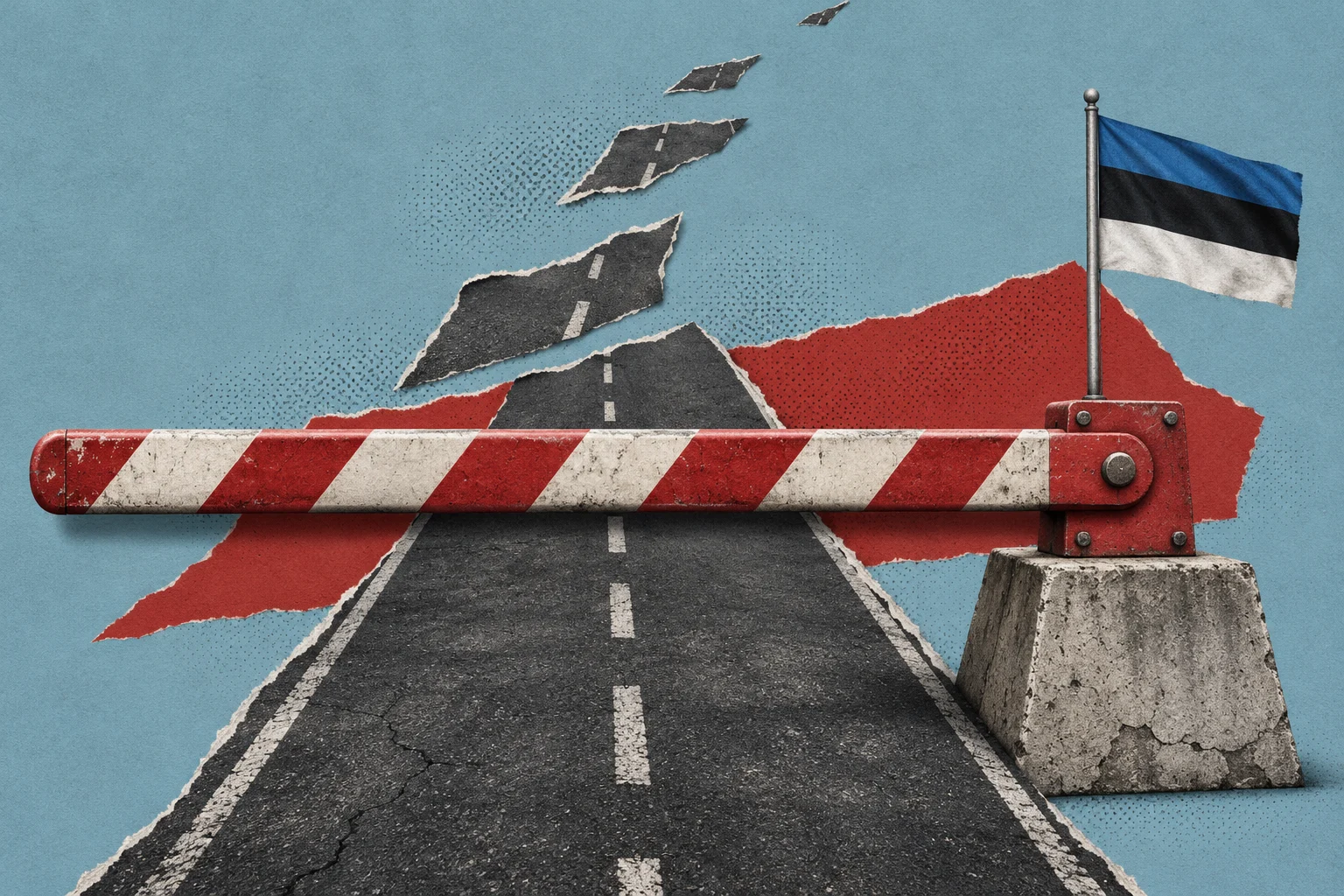
It is not yet clear how much of the border will close. Reuters and the Guardian reported that all crossings would shut. Tsahkna’s own post spoke of road crossings. ERR reported that the ministry later clarified the closure applies to road crossing points, and that officials had not said whether the rail links at Narva and Koidula are affected. Interior Minister Igor Taro said he would propose to the government that all road crossings close to pedestrians and vehicles from the start of December. The cabinet still has to decide whether the closure is temporary or indefinite. Narva is open only to people on foot, while Koidula and Luhamaa also take vehicles. Estonians in Russia and truck drivers now have about two weeks to get home.
Walls and words
Moscow’s reply came through the usual channel. Foreign ministry spokeswoman Maria Zakharova told the state agency TASS: “We’ll check all this for veracity. But if these are their real plans, then they’re part of another bout of aggressive and unbridled Russophobia.” She did not address the accusation that Russia ordered the attack. On Monday, Kremlin spokesman Dmitry Peskov told Ria Novosti: “Estonia is building walls. Many countries, as history shows, have built walls that have brought no good to their creators.”
A reflection: a state accused of sending arsonists across a border is warning its accuser about the dangers of building walls.
Kyiv welcomed the decision. “Estonia has shown that Russian sabotage can and should have consequences beyond diplomatic condemnation,” Ukrainian Foreign Minister Andrii Sybiha wrote. “This approach deserves wider support across Europe.”
The second fire
This is the second plot against an Estonian defence firm that Tallinn has blamed on Russia. In August, arsonists attacked Milrem Robotics, which supplies Ukraine with unmanned military vehicles. In September, Kapo called that “a deliberate and pre-planned attack carried out on behalf of Russian special services”, part of a pattern of attacks on defence and drone companies with links to Ukraine. Estonia summoned Russia’s chargé d’affaires. The Kremlin called the accusation “baseless” and “ill-considered”, “with absolutely no relation to reality”.
Other incidents happened around the same time. In September a Russian drone struck a railway line near Ukraine’s border with Poland while former Western diplomats were travelling on it. A drone, probably Russian, was shot down over Lithuania. Metal pipes laid across Dutch rail tracks stopped trains. European NATO members describe such acts as designed to provoke without starting an all-out war. That same month, Danish intelligence identified a “low but growing risk” of limited Russian strikes on infrastructure that supports Ukraine. Russia denies all of it.
The war also continued that weekend. Romania’s prime minister said drones struck three merchant ships near the Sulina canal. Ukraine said it hit the Nizhnekamskneftekhim petrochemical plant in Tatarstan, about 1,200 kilometres from its border.
On Sunday, the day of the announcement, people were still crossing from Estonia into Russia at Narva. They have until the end of November.