
Prime Minister Mark Carney’s drive to make Canada less dependent on the United States, attract billions in new investment and get major projects built faster has run into resistance from a group that says it wants many of the same things: the country’s unions.
The latest clash is over the right to strike, and it centers on Bill C-39, the Building Canada Strong Act, which the government tabled last month. Al Jazeera reported on Friday that the fight comes after months of mounting pressure on Ottawa from Washington.
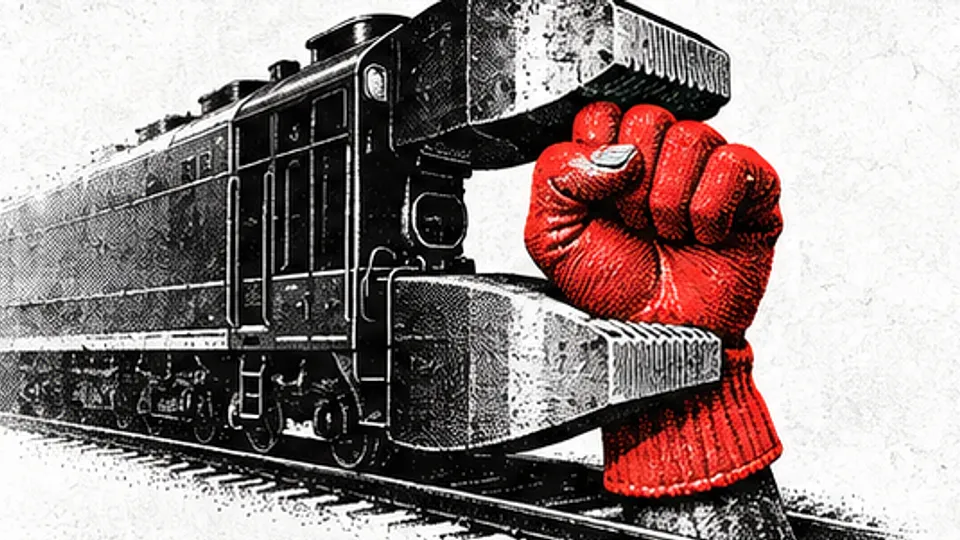
The bill is built to move large projects faster, promising one-year decisions on megaprojects by rewriting a dozen laws. It also rewrites labor rules, expanding ministerial power over strikes in the transportation networks on which the government’s investment strategy depends, ports, railways and airlines, according to an account in Jacobin.
Mr. Carney has rejected the criticism. He said on Sept. 22 that the bill “reinforces the right to strike” and would press employers to “negotiate in good faith,” according to CBC News.
Labor leaders read the legislation differently. The Canadian Labour Congress, Unifor, Teamsters Canada and provincial labor federations have all condemned the proposed restrictions, Jacobin reported. One union leader told The Toronto Star the bill “neuters the right to strike,” adding, “A right that’s suspended when it becomes effective isn’t much of a right at all.”
The Canadian Union of Public Employees has gone furthest. On Sept. 23, its national executive board voted unanimously that the union would defy the strike restrictions if Parliament passes the bill unamended. Mark Hancock, the union’s national president, said building a stronger country should not require compromising labor rights.
Avi Lewis, the New Democratic Party leader, has also criticized the bill, and the Liberals are separately weighing a measure that would give a minister explicit authority to end strikes, CBC News reported, citing unnamed sources.
Facing the criticism, Mr. Carney said he had a “very clear mandate” to push through major economic changes, according to CBC. The bill is now before Parliament, where debate is expected through the fall session.