
The itinerary reads like the old shuttle diplomacy of colder decades: Oslo on Tuesday, St Petersburg on Wednesday, and, if the Norwegian prime minister is right, Oslo again before the week is out. The traveller is Steve Witkoff, the American special envoy, and on Wednesday he sat down with Vladimir Putin in the city on the Neva to push, once more, for an end to a war that began with Russia’s full-scale invasion more than four and a half years ago.
Witkoff said at the start of the meeting that he hoped to discuss resuming trilateral talks among the United States, Russia and Ukraine, so that technical teams could take up the next steps toward a settlement, Al Jazeera reported. The Kremlin, by its own account, showed no new willingness to engage, and Russian officials had said beforehand that Moscow’s position and demands had not changed.
The possible and the necessary
Progress toward a negotiated end to the war is “theoretically possible,” Kremlin officials said Wednesday — but it requires Ukraine’s leaders to make “necessary decisions,” and if Kyiv fails to make them, the situation for the country “will be worse,” they added, according to the state news agency TASS, as CBS News reported. Spokesman Dmitry Peskov said Moscow would study the proposals Witkoff carried, but that the talks would take a long time. In the diplomacy of sieges, adjectives do the fighting: the Americans say “constructive,” the Russians say “theoretical.”
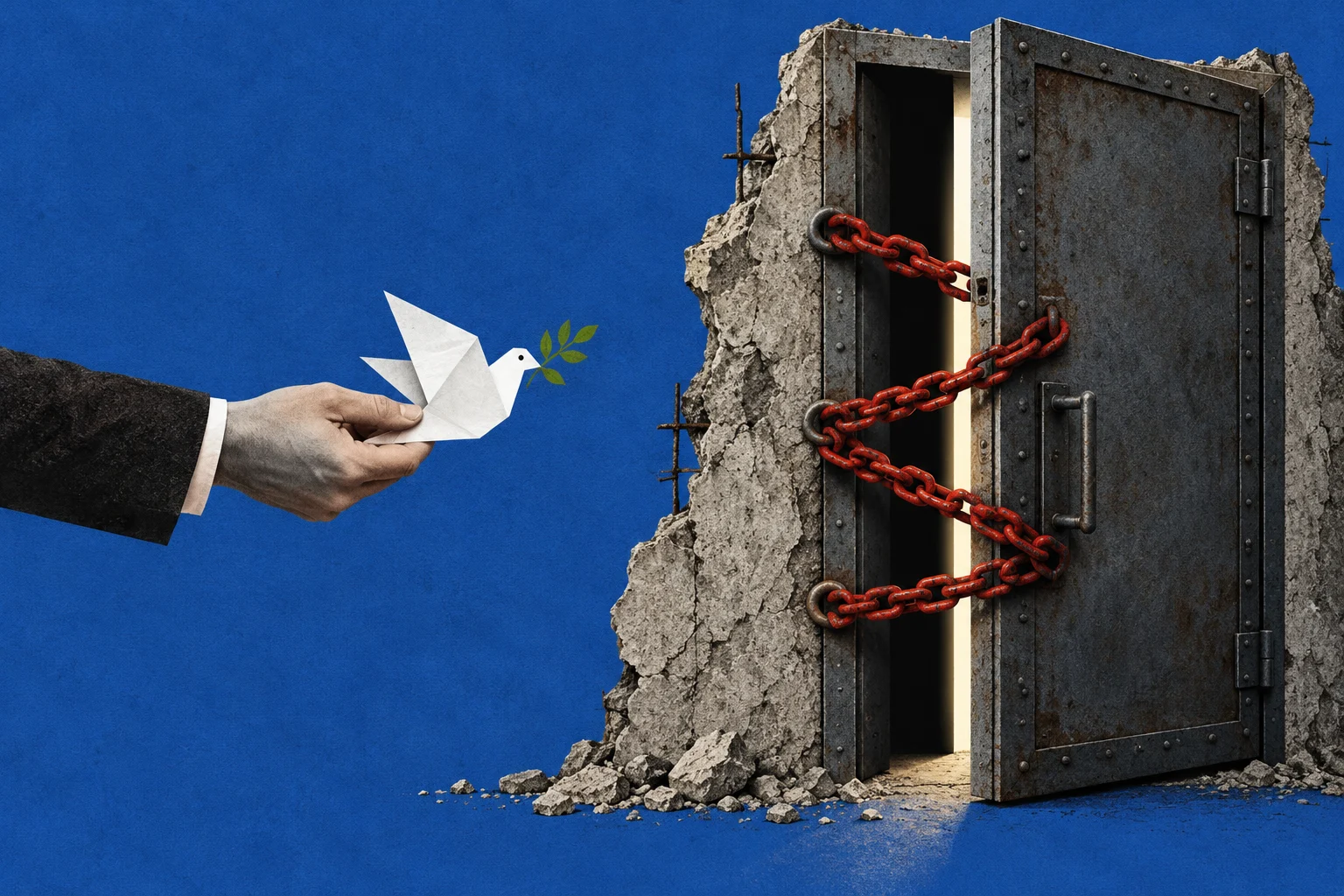
One concrete thing did emerge. Witkoff and Putin confirmed that Stephen Hubbard, a U.S. citizen jailed in Russia for more than four years, had been released. President Trump said Putin freed the American with “no ‘swap’ necessary” — but added that it would not have happened had Washington not prevented new sanctions on Moscow from taking effect last week. Russian officials also told Witkoff a meeting among Trump, Putin and China’s Xi Jinping was “possible,” an idea the White House has floated and Ukrainian officials have balked at, since it would sideline them from deliberations over their own country’s fate.
From Oslo, where he remained on Wednesday, President Volodymyr Zelenskyy answered in advance. He told Fox News he believes trilateral talks among himself, Trump and Putin are the best way to end the conflict, that any settlement would require approval by Ukraine’s parliament, and that he would accept no resolution crafted by China, Russia and the United States. “Don’t talk about us without us,” he said.
What was traded in Oslo
The St Petersburg meeting followed talks in Norway that an anonymous U.S. official described to Reuters as “constructive,” with “meaningful progress” toward a coordinated approach to engaging Russia, the Guardian reported. The Oslo discussions — joined by the leaders of Norway and Finland and by European and NATO representatives — covered “key elements of a comprehensive peace framework”: security guarantees for Ukraine, a postwar economic plan, and a broader European security architecture. Zelenskyy said he had discussed “Article 5-like” guarantees. Secretary of State Marco Rubio called Witkoff’s Tuesday meeting with Zelenskyy “positive” and said the envoy would carry Kyiv’s ideas to Moscow to “make some progress.”
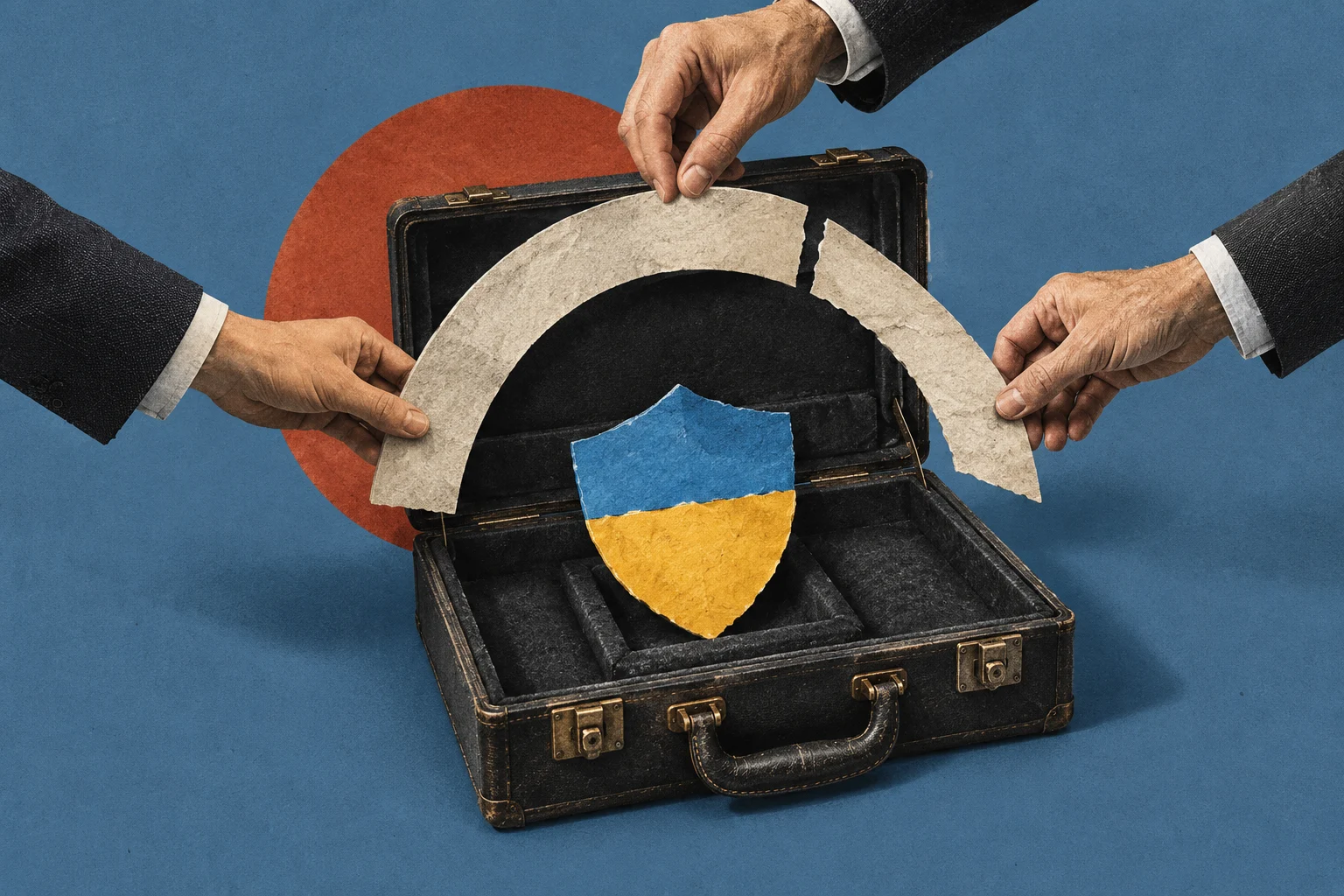
Goodwill, in this relationship, has a price list. Zelenskyy travelled to Norway to mend ties that had sunk to new lows, and in Oslo he thanked Washington for restoring intelligence sharing on Russian strikes — early warnings he called “very, very important for our people, for children, adults, civilians.” “We are thankful that intelligence works,” he said. But access to Starshield, the military version of Elon Musk’s Starlink satellite network that Ukraine uses for battlefield communications and drone operations, remained “limited,” he told Fox, adding that Rubio was working to restore full access. The Wall Street Journal reported Tuesday that Musk himself ordered the slowdown last week. Defense Secretary Pete Hegseth insisted the Pentagon had directed no changes — “We haven’t pulled anything back” — and Trump said Friday, “It wasn’t me. And I don’t think it was Elon.” Musk has previously said any limits were “decided by the US military and ultimately POTUS.”
The ceasefire only one side signed
The diplomacy arrives on the heels of stranger chapters. Earlier this month Trump announced an “energy ceasefire,” claiming both sides had agreed to halt strikes on each other’s energy infrastructure; within hours, Russian missiles hit Ukrainian refineries and other sites, and neither Kyiv nor Moscow ever confirmed any truce — a declaration that met 69 drones and a duel. On Oct. 10, Trump announced a deal for Russia to release millions of tons of diesel fuel over several months, which Zelenskyy branded a sign of “weakness.” Russian state media said the first shipment was dispatched to the U.S. on Wednesday — the very day the envoy sat with Putin.
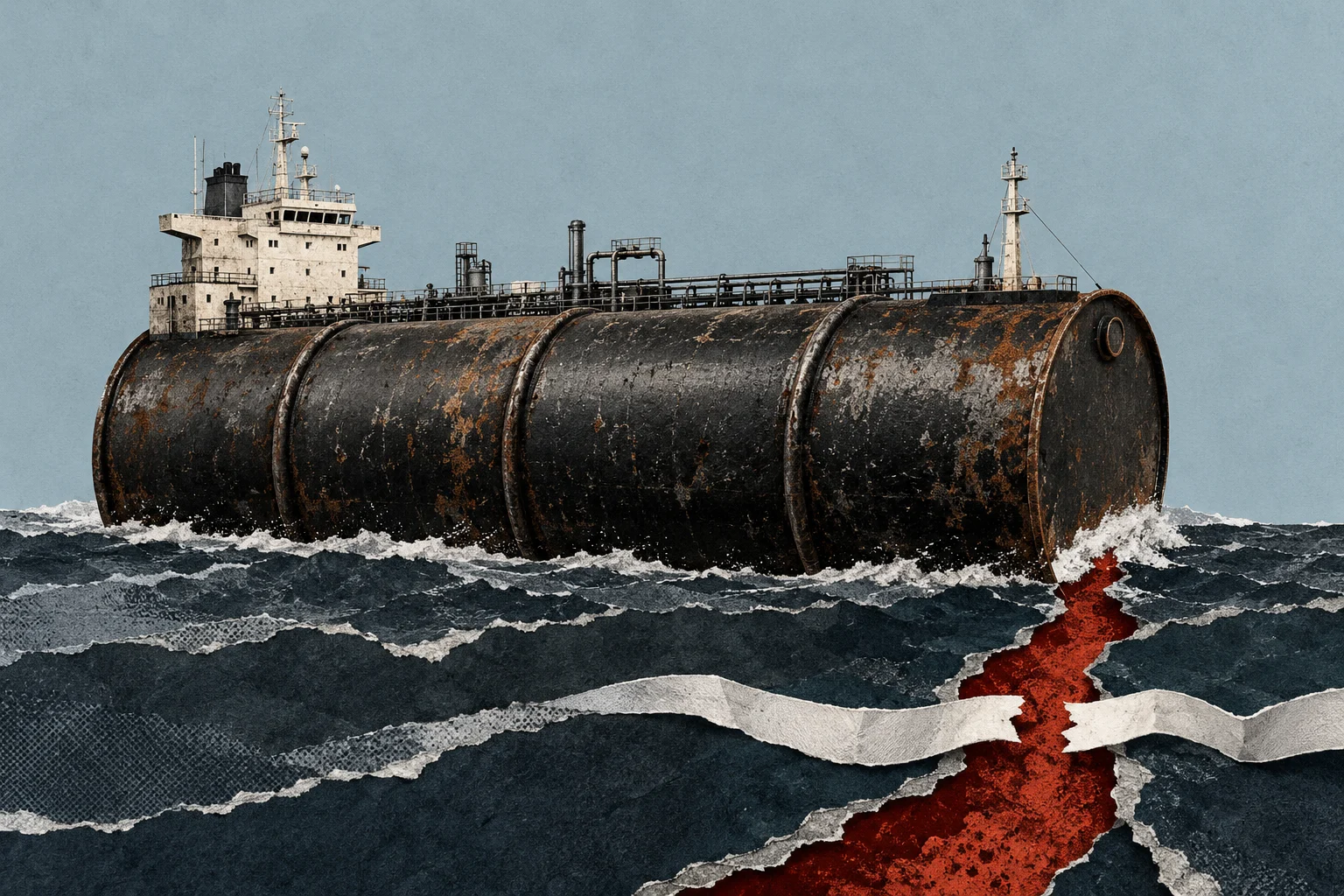
Nor has the war paused to watch. Russia’s defense ministry said Tuesday it struck three cargo vessels in the Ukrainian port of Reni and two more bound for Odesa, along with logistics hubs in the Volyn region and Khmelnitskiy, claiming military use; another missile and drone blitz on civilian areas Tuesday killed at least nine people, officials said. NATO responded by deploying additional patrol aircraft, drones, radar systems and intelligence personnel to the Black Sea after attacks on ships near Romania and Bulgaria. “The most important thing we can do, however, is to increase our situational awareness in the region through increased sensors and data sharing,” said Col. Martin O’Donnell, a NATO spokesperson. In the Russian-held town of Oleshky, where residents report a worsening food crisis, Peskov said Putin had discussed the humanitarian situation with Trump and that Russia’s human rights commissioner was engaged.
Before leaving for St Petersburg, Trump offered Kyiv his own summary of the path to peace. “Ukraine has to want to settle this war,” he told reporters Tuesday — echoing, almost word for word, the demand Moscow made to TASS a day later. Norwegian Prime Minister Jonas Gahr Støre, awaiting Witkoff’s return, allowed himself one cautious hope: “I think we may have entered a phase now where the Russians are also looking for opportunities for diplomacy.” Zelenskyy, in the same city, was more pointed. “A lot depends,” he said, “on whether the American side manages to hear something new from Russia today.”