
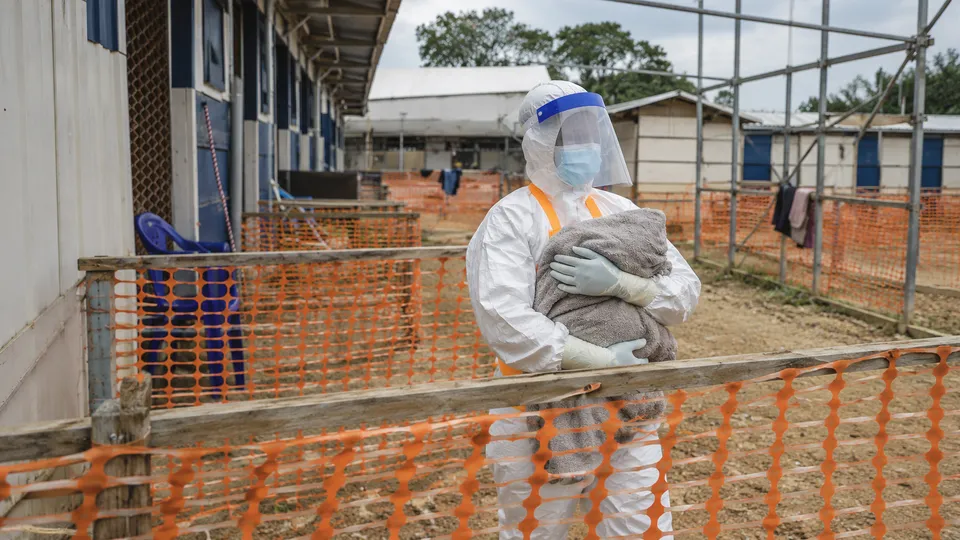
The head of the Africa Centres for Disease Control and Prevention said on Sunday that the Ebola outbreak in the Democratic Republic of Congo was still not under control six months after it was declared, and warned that it could become the worst on record.
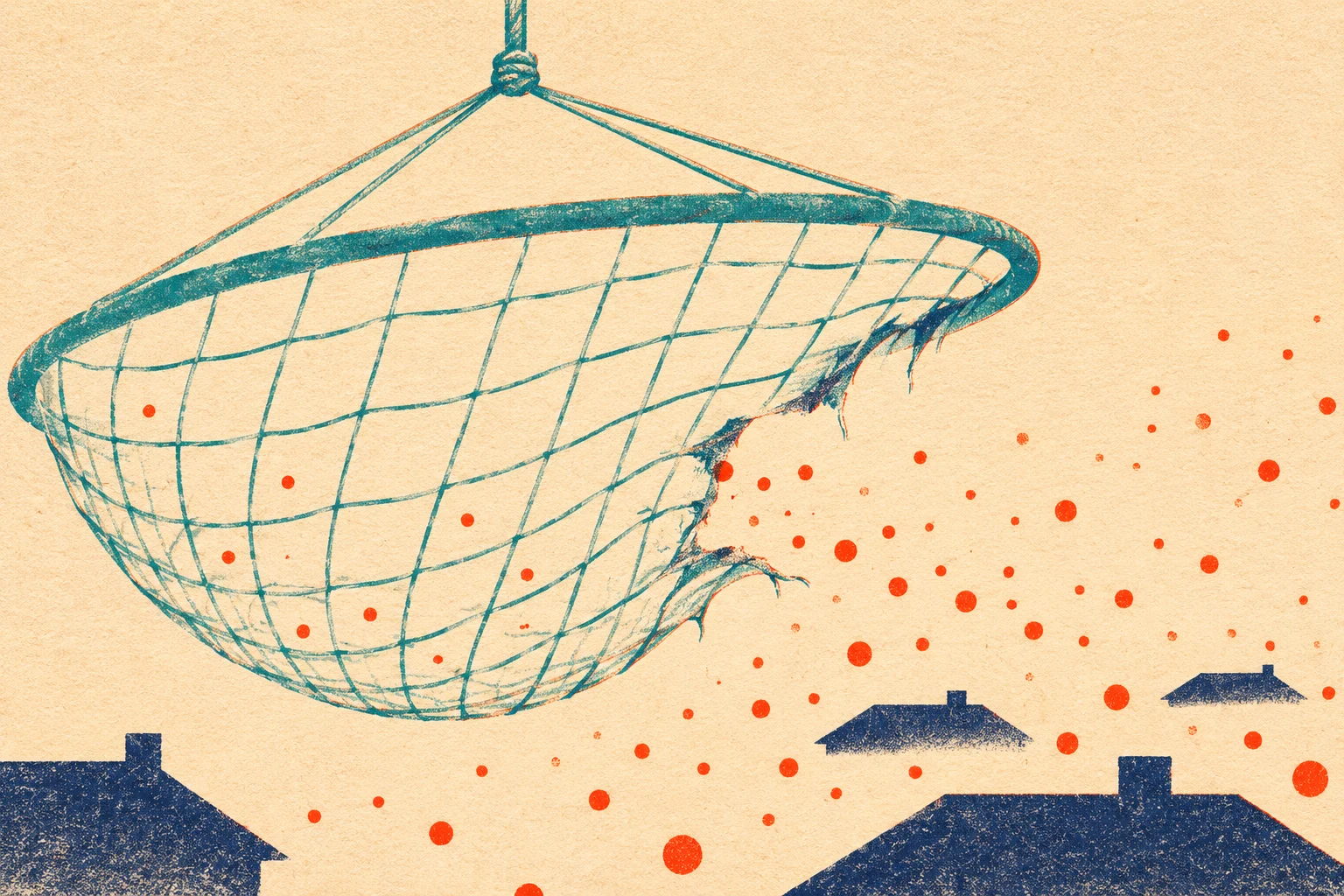
Jean Kaseya, the agency’s director-general, told Reuters that more than 80 percent of new cases were turning up in people who were not on any list of known contacts, and that more than 65 percent of deaths were happening in the community, outside health centers. The agency said that meant infections were still being caught too late. It put new cases at 400 to 500 a week.
“We are all in agreement today to say that this outbreak is still serious, and is still not under control,” Dr. Kaseya said.
More than 11,200 infections and 5,500 deaths have been reported since the outbreak was announced on May 15, according to government data cited by Reuters. The virus is the rare Bundibugyo strain, for which there is no approved vaccine or treatment.
It is already the second-largest Ebola outbreak ever recorded, behind the 2014-16 epidemic in West Africa, which infected more than 28,000 people and killed more than 11,000. “If we don’t stop this outbreak now, it would be the worst Ebola outbreak that the world will have,” Dr. Kaseya said, as Al Jazeera reported.
Much of his complaint was about money. Donors have pledged some $2.9 billion, but only $1.3 billion has been released, he said. He called on them to free up the remaining $1.6 billion or so and to work closely with the government in Kinshasa so that money isn’t wasted on duplicated efforts. Coordination between Congo’s government and donors was still a problem, he said.
“We are not pointing fingers,” he said. “We are saying it’s a collective failure.”
The agency also listed deadly attacks on health workers, unpaid staff and a lack of resources among the obstacles. Dr. Kaseya said some health workers had gone months without pay, and that the government was working to digitize its payroll.
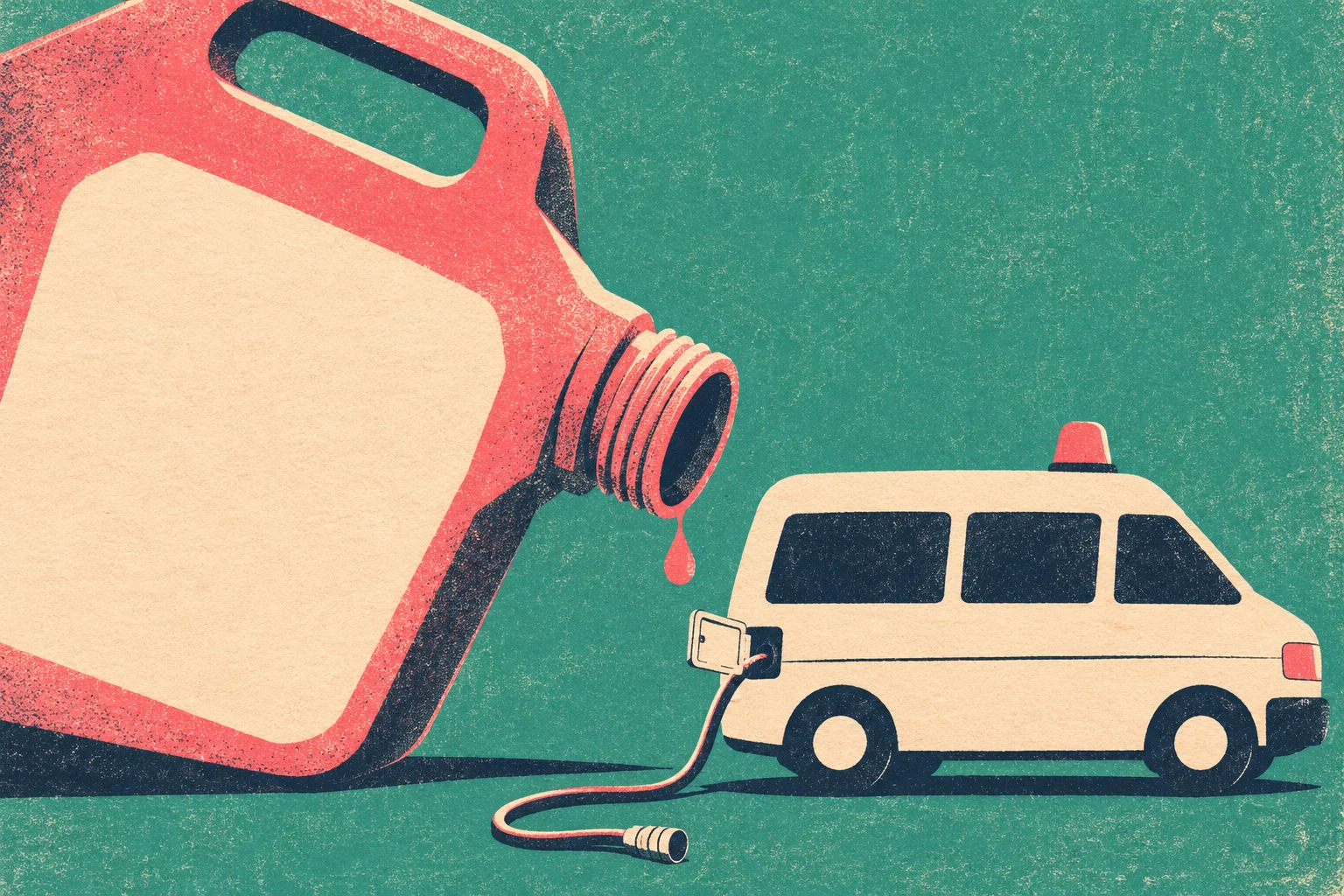
Médecins Sans Frontières said this week that the flood of pledges still wasn’t reaching the hot spots. The medical charity pointed to untrained staff, ambulances with no fuel and too few surveillance teams.
The World Health Organization’s count runs slightly lower than the government’s, mostly because of different cutoff dates. At a briefing for member states on Nov. 11, Dr. Tedros Adhanom Ghebreyesus, the WHO director-general, said the outbreak remained a public health emergency of international concern, with almost 11,000 confirmed cases and more than 5,300 deaths across eight provinces. The European Centre for Disease Prevention and Control put the toll at 11,197 confirmed cases and 5,471 deaths, using data through Nov. 11.
At least 3,000 people have recovered and gone home, the WHO said. In some areas, transmission appears to be slowing. New hot spots keep appearing elsewhere.
The WHO has called insecurity one of the biggest obstacles to the response. It said an attack on the town of Cantine-Aloya killed 66 civilians, three health workers among them, and that three health facilities were looted and burned. More than 1,000 contacts have been lost to follow-up, and three confirmed cases are unaccounted for, according to the agency.
The virus has also been reported outside Congo, in Kenya, Nigeria, Uganda and France, according to the WHO’s outbreak notices and European health officials. Uganda’s outbreak has been declared over.