
While an epidemic is still small, you can draw it. In Kenya this October the drawing is one point with lines running out from it. The point is a 40-year-old Kenyan man who left Buta, a city in the northwest of the Democratic Republic of Congo, travelled through Uganda and reached Kenya on October 3. A relative drove him to Nairobi Hospital. He died there on October 5.
Kenya has since confirmed seven more infections, bringing its total to eight. CIDRAP reported that every one of them had been in contact with him. That is the reassuring half of the arithmetic: so far there is no sign that the virus has escaped into the wider community.
The attendant
The eighth case was announced on Sunday, October 18. Dr. Patrick Amoth, the Health Ministry’s director-general, said the new patient was a 49-year-old patient attendant who had looked after the first man, the Associated Press reported. He had developed fever, headaches and muscle pain and had been in quarantine since October 9. Thirty-eight people were tested that day and one came back positive. Amoth told Citizen TV that the man was “Not a direct healthcare worker.”
The others came before him. On October 17 officials confirmed four cases at once, ABC News reported: three health workers who had treated the first patient and a male relative. All four were already in quarantine when their tests came back positive. By AP’s count, the infected now include three of the dead man’s close relatives and three health workers. CIDRAP describes at least three health workers and a family member. AP said the six earlier patients were in isolation and stable after supportive treatment.

Kenya’s Ministry of Health says it has identified 130 contacts of the original patient. Of these, 128 are being monitored in quarantine for 21 days, the maximum incubation period of the disease. Two have not been found.
We urge Kenyans to remain calm and stay vigilant as the government is doing everything possible to bring the outbreak under control. Intensive efforts are ongoing to trace and quarantine the two remaining contacts.
The ministry also warned that “new cases among quarantined contacts are possible until their 21[-day] monitoring period ends.”
A thought, offered only as reflection: a government’s strength against a plague is measured less by the decrees it issues than by whether it can find two people out of a hundred and thirty.
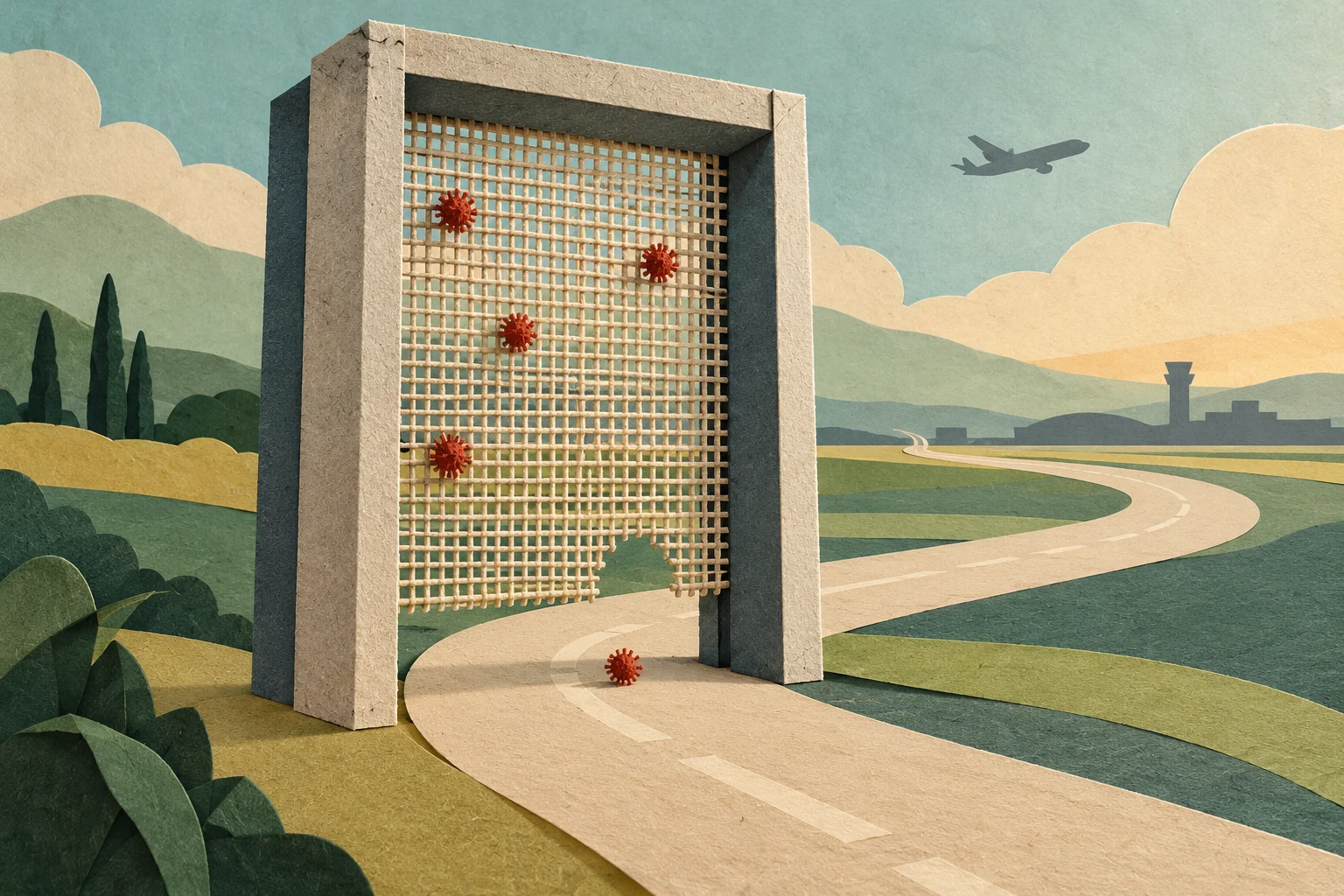
The first case showed where the gaps were. The man passed through the screening that was meant to stop him, as nearly every case before him had. Kenya has since tightened its border checks and set up an emergency hotline for anyone who thinks they have had contact with an Ebola patient or who develops symptoms. Nairobi’s main airport now has a separate gate for every flight from the 10 countries at the centre of the outbreak. Neighbouring Tanzania now requires travellers from high-risk countries to fill in health declarations and submit to 21 days of monitoring.
Ituri, where it burns
Kenya’s eight cases are a small offshoot of the outbreak in Congo, where the scale is far larger. DRC officials said over the weekend that confirmed cases had reached 9,455, including 4,561 deaths, a case-fatality rate of 48.2 percent. Nearly one in two. The Bundibugyo strain has now reached eight provinces. Ituri is still the epicentre, and this week North Kivu is barring people from entering from Ituri for one week. AP calls it the fastest-growing Ebola outbreak on record, and the official toll may be an undercount: officials fear underreporting.
When a province shuts its door on its neighbour, it is using the oldest tool a state has against contagion, the line on the map. The virus has already crossed that kind of line twice to reach Nairobi.
The smallest patients
New figures from Doctors Without Borders (MSF) show that 24 percent of new Ebola patients in Congo are children, and that children die at a disproportionately high rate. In North Kivu, CIDRAP reports, children under five make up 24 percent of confirmed cases, and in Ituri 13 percent. Infants alone account for 13 percent of cases in North Kivu and 6 percent in Ituri. MSF’s own statement, based on its Epicentre research unit, says nearly one in four confirmed cases in North Kivu is a child. It also gives a figure from a single ward: between June and September, at the treatment centre in Butembo, 24 of 30 children died, most of them under the age of five.
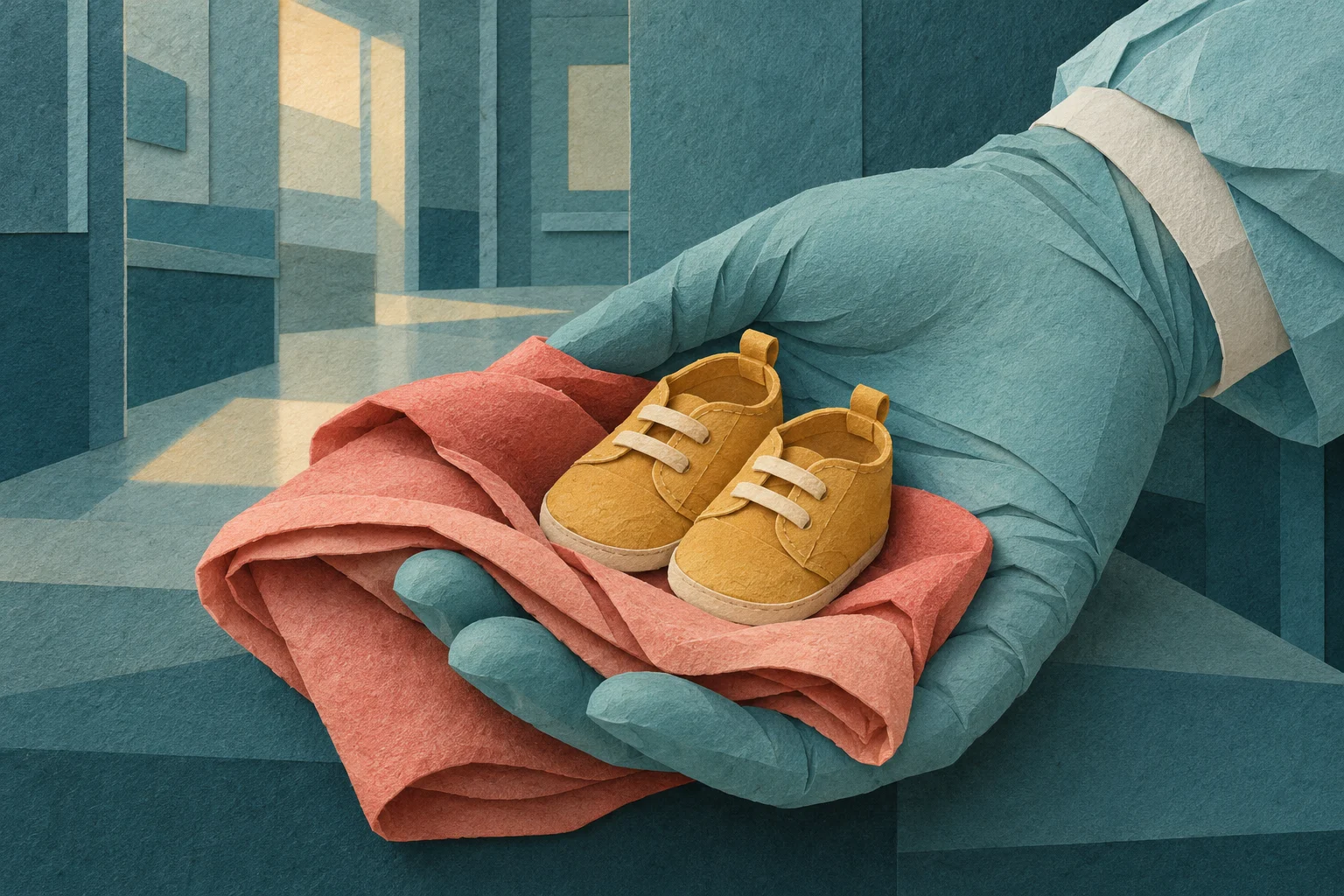
According to MSF, many of these children catch the virus at health facilities rather than at home. Those facilities are not ready for them.
“General health facilities often lack the specialised expertise, equipment, and infection prevention and control measures needed to identify and safely manage suspected cases,” said Stephanie Hoffmann, an MSF project coordinator in Butembo.
No vaccine or treatment has yet been approved specifically for the Bundibugyo virus. Clinical trials are under way, including newly launched vaccine trials, but children are not being offered places in them. Treatment centres also lack paediatric dosing guidance and child-friendly formulations of investigational medicines, the organisation says. MSF expects results from the Bundibugyo vaccine trials between now and February 2027, and it wants children included in any trials still to come.
“Treatments, vaccines, and other preventive tools should be evaluated for use in children from the outset of research efforts and made available to them without delay,” said Dr. Guyguy Manangama, a deputy director of operations at MSF. “Yet in the current outbreak, children are still being left behind, with very limited access to vaccination trials and campaigns, as well as the latest therapeutic innovations despite bearing a significant burden of disease.” He also said: “Children cannot continue to wait for data generated in adults before benefiting from advances in Ebola care and prevention.”
Until those trials include them, MSF has been doing what it can by other means. It has recruited and trained caregivers who work inside several of its treatment centres in full protective equipment, giving children daily support and comfort. Thirteen of them now work with the children at the Kitatumba treatment centre in Butembo.