
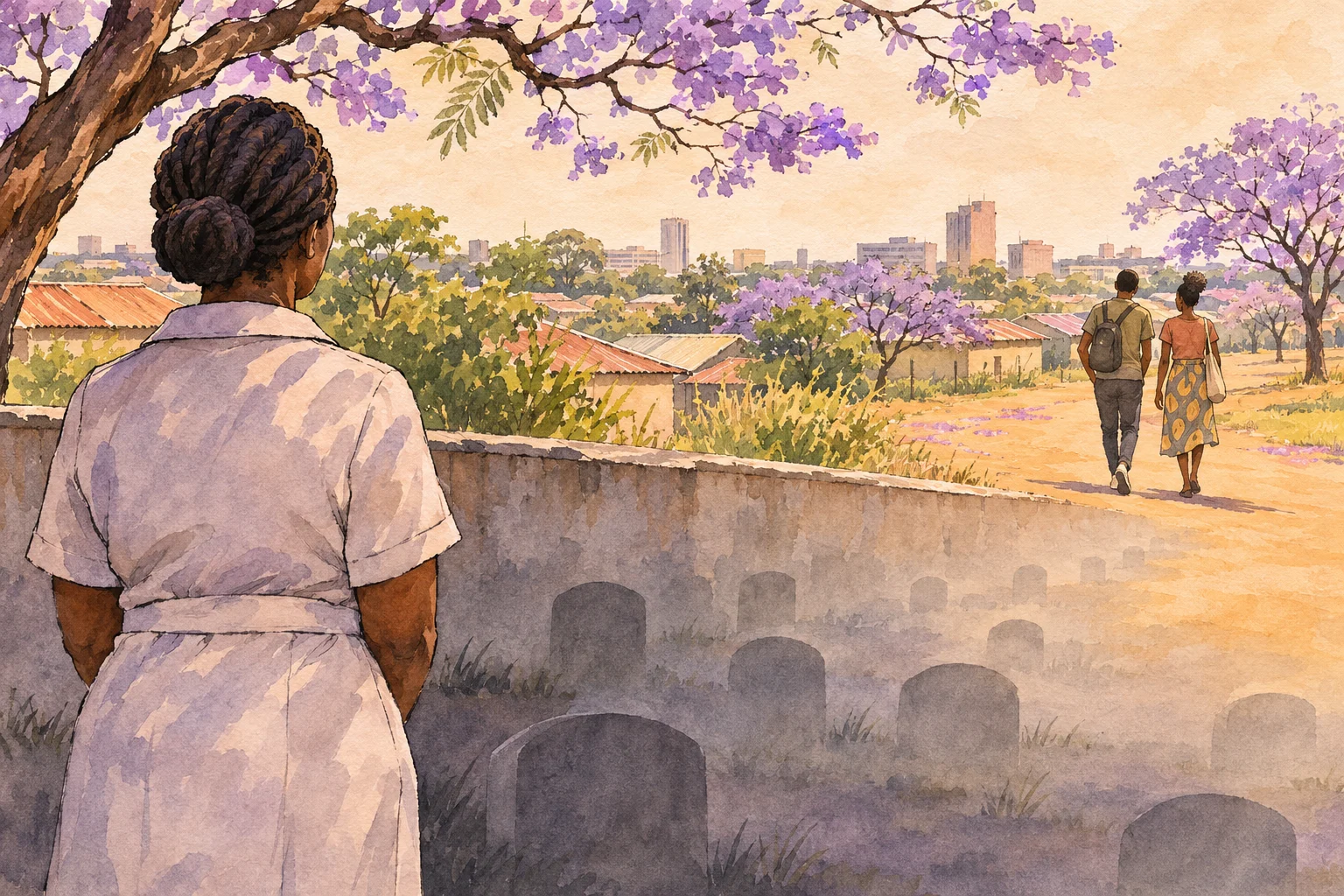
Shaun Moyo began nursing at Parirenyatwa Hospital in Harare in the late 1990s. In those years nobody needed statistics to see the epidemic. She recalls wards full of patients. Outside the hospital, funerals had become an ordinary part of life. She described that time to Al Jazeera’s Deogracious Kalima, and the memory still makes her angry.
“Seeing today’s youth who are blessed with condoms, ARVs and PrEP meds makes me furious. In the 90s every weekend was a trek to cemeteries, not weddings.”
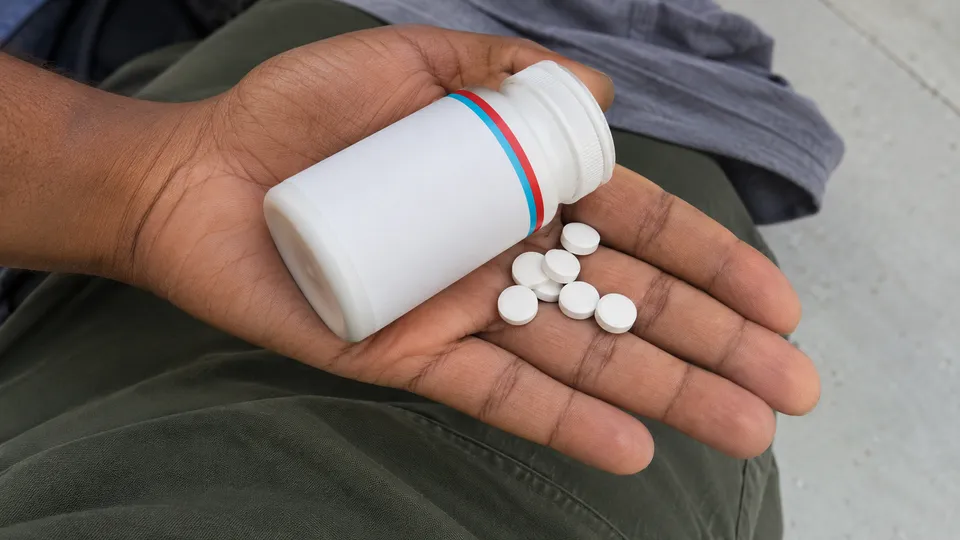
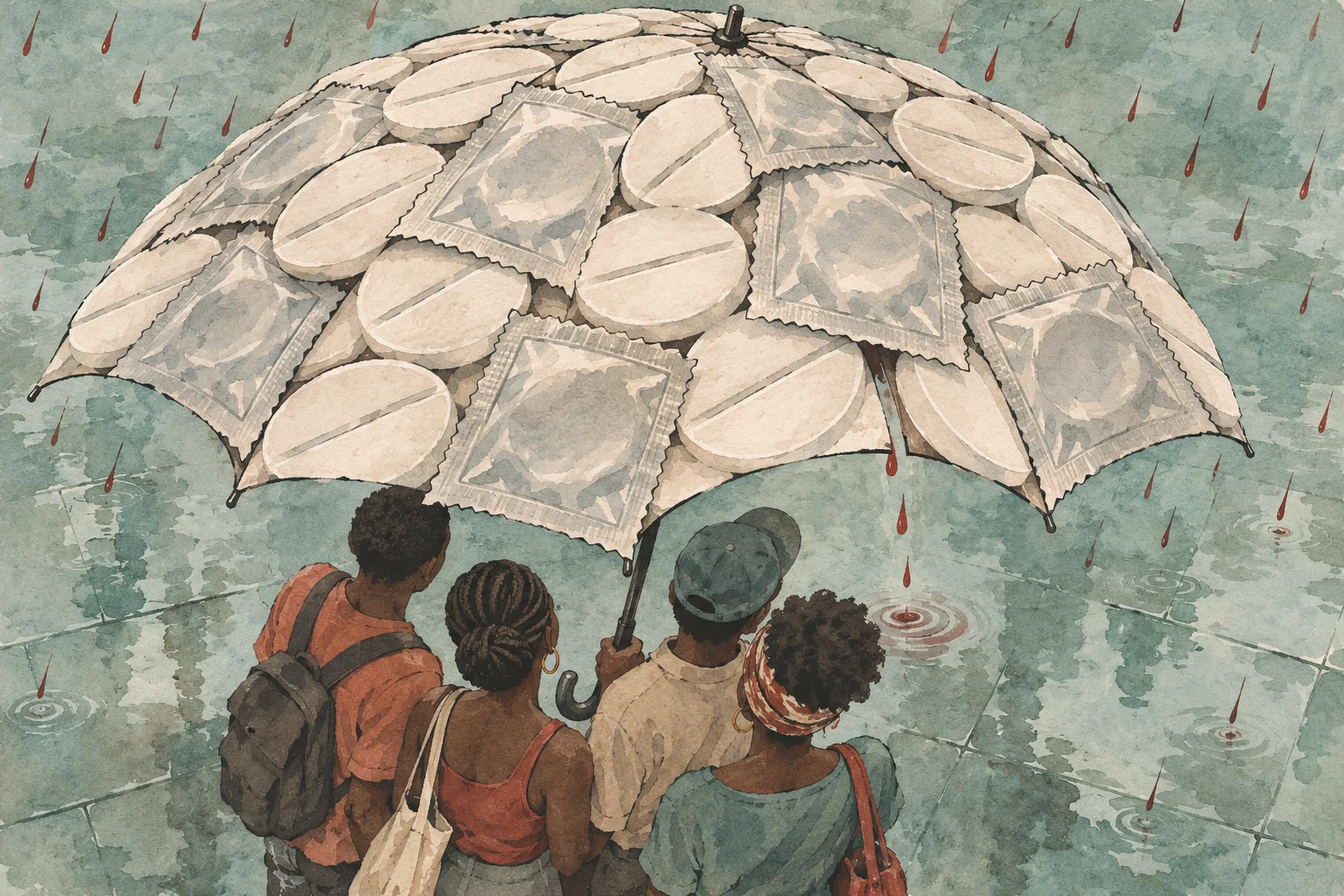
She is 48 now and works locum shifts at two of the capital’s big public hospitals. The wards no longer fill with that particular kind of dying. Antiretroviral drugs have made HIV, for many people, a chronic illness to be managed. Condoms, pre-exposure prophylaxis (PrEP) and post-exposure prophylaxis (PEP) give the young several ways to avoid infection altogether. What worries her is that the risk has stopped feeling real. She remembers a Facebook exchange among her son and his friends in which one of them suggested that “getting blood pressure is worse than HIV”.
One comment does not tell you what a generation thinks, and it is a mother’s anecdote, not a survey. Still, it points to an old irony of public health, offered here as reflection: a campaign that beats a plague also wipes out the evidence that once made people listen.
The arithmetic of survival
The progress is real and large. UNAIDS estimates that new HIV infections in Zimbabwe fell from 79,000 a year in 2010 to 15,000 in 2023. Among people aged 15 to 24 they fell from an estimated 27,000 to 4,400, which is about one sixth of the earlier figure.
Even so, in September the family physician and anti-stigma campaigner Dr Misheck Ruwende told an audience on Twitter that the country risked losing what it had won. “The sad part is that this is coming at a time we have the best options to prevent HIV, from rapid testing, PrEP, condoms, PEP to injectables,” he said. “It wasn’t like that in the late 90s to early 2000s. It looks like we are now reversing all this huge success we had notched in recent times.”
The region still carries a heavy burden. UNAIDS estimated that 210,000 adolescent girls and young women aged 15 to 24 acquired HIV worldwide in 2023. Some 160,000 of them lived in sub-Saharan Africa, and nearly 60 percent of the global total was in Eastern and Southern Africa. Across the Limpopo, an estimated 7.7 million South Africans were living with the virus that year. In Gauteng province, 167,109 males attended public health facilities between April and December 2023, and 67,400 of them were treated for Male Urethritis Syndrome, a condition associated with sexually transmitted infections. The provincial health department said its incidence rose from 12 percent in 2020 to 15 percent in 2023. It does not measure HIV, but it does show how people are behaving.
An injection twice a year
The South African physician-scientist Dr Linda-Gail Bekker co-authored the report on PURPOSE 1, the Phase 3 trial of lenacapavir, an HIV prevention drug injected twice a year. In the primary analysis, none of the 2,134 women who received it acquired HIV. Bekker says the science will fail without a new way of talking to young people. “Beating the old drum about the horrors of HIV, and shouting to youths about condoms is not necessarily going to cut it,” she said. Pamphlets and sermons on abstinence and faithfulness, she argues, will not reach young people who are already making decisions about sex. What they need is accurate information, services that welcome adolescents, and the freedom to choose without being judged.
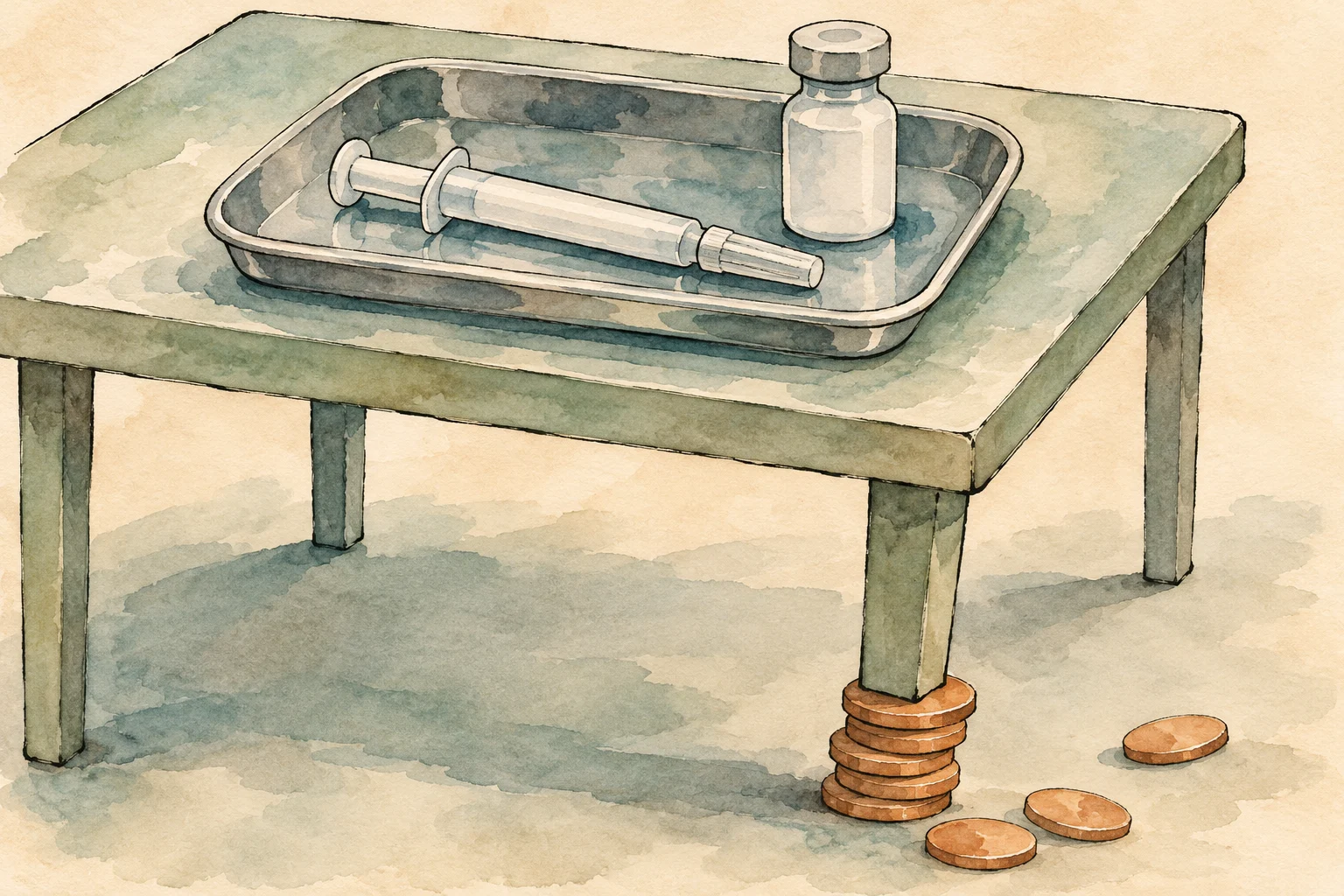
The drug has since reached Zimbabwe. Health authorities began administering lenacapavir on 19 February, making Zimbabwe one of the first countries in the world to do so. The United States and the Global Fund paid for a phased rollout at 24 sites, which authorities expected to reach about 46,000 people at first, in a country of about 15 million. Washington pledged support for 271,000 people over three years. In April the two funders widened their commitment across the continent. In October it was reported that Zimbabwe plans to scale up access from January, with a first batch of 23,000 doses already in the country. A health official warned that the Global Fund and the government would have to provide the resources from now on.
That warning has a history. UNAIDS reported in March 2025 that disruptions to US-funded HIV programmes in Zimbabwe had hit services for key populations, including PrEP, testing and counselling. The same foreign money that buys the new injection had, a year earlier, interrupted access to the old pills.
Markets, bus ranks, campuses
Angela Gutu is 23 and a peer educator in Harare. She works with the municipality, the health ministry, non-governmental organisations and churches to set up pop-up health services at markets, transport hubs, university campuses and sporting events. These are places young people already go, so they do not have to face a clinic. For some, she says, asking a health worker for an HIV test or an STI screening is intimidating, because they fear judgement or a harsh reception. At the pop-ups they can pick up HIV self-testing kits and condoms, and mobile health workers refer them for PrEP and other services. “It’s about speaking young people’s lingo, taking away the HIV stigma,” Gutu said.
The state says it is moving the same way. At a meeting with reporters in August, Dr Innocent Hove, Provincial Medical Officer for Harare Metropolitan Province, called HIV among young Zimbabweans an urgent priority. The government is decentralising PrEP, PEP, HIV testing and treatment, along with screening and treatment for sexually transmitted infections and tuberculosis. Mobile health trucks are being sent to informal mining communities and remote artisanal gold-mining sites, where people often live far from any clinic. Whether this works will depend on whether the trucks keep coming and the services are there when they do.
In January, the month the lenacapavir expansion is due, a young man named Bongani plans to start volunteering as a peer educator through the health ministry’s programme. “My generation was born with the best array of HIV prevention tools,” he said. “It’ll be a tragedy if AIDS deaths make a dramatic comeback due to our reckless behaviours.”