
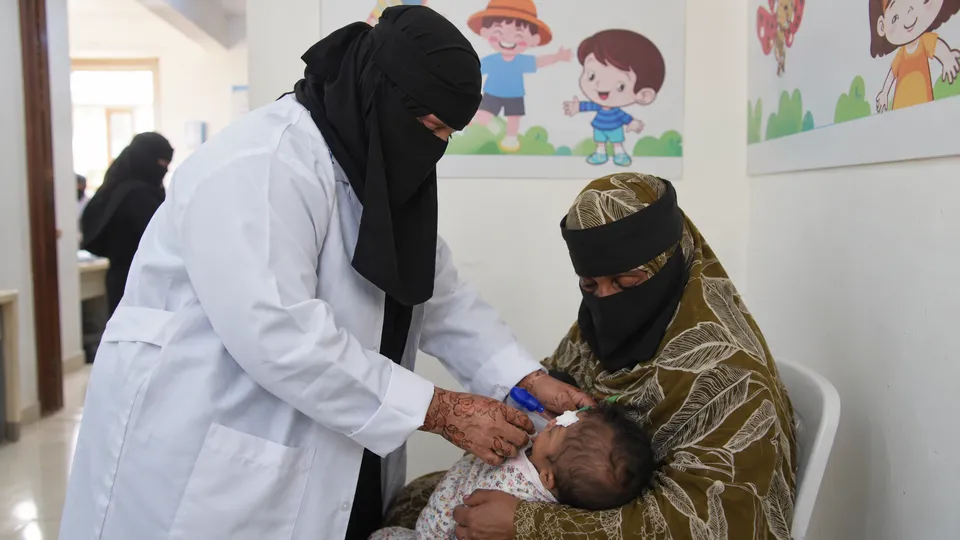
More than 2.2 million children under five in Yemen are acutely malnourished, and 516,157 of them — almost a quarter of the total — have the severe form, according to United Nations figures. The war, which began about 12 years ago, has left more than 22 million people in need of humanitarian assistance and 18.3 million facing acute food shortages. Against that, the 2026 humanitarian response plan seeks about $2.16bn and is 20.6 percent funded, [Al Jazeera reports](<https://aljazeera.com/news/2026/10/6/malnutrition-among-yemens-children>) after visiting displacement camps, nutrition centres and hospitals. That works out to roughly $445 million committed this year against 22 million people counted as in need — about $20 per person.
The investigation began with Tahani, an eight-year-old whose father had spent years appealing to officials and aid organisations. “My daughter is dying. Save her,” he pleaded. Her case prompted Al Jazeera Arabic to ask where the billions sent to Yemen go, and why they do not stop children reaching dire levels of hunger. While the investigation was under way, the organisations called her father back. She had died — of hunger, according to him.
What the field numbers show
In al-Khadeesh camp in Abs district, Hajjah governorate, Jiyad Mohammed Jalal is under two years old, severely malnourished, and needs continuous treatment; the hospital is now part of his displaced family’s routine. Ground reports obtained by Al Jazeera document more than 200 malnutrition cases in Abs over the past three years. In Dhale governorate, Al-Nasr Hospital received 269 acutely malnourished children between January and August 2026.
Yemen’s Ministry of Public Health and Population says severe malnutrition cases among children under five rose between January and July 2026 compared with the same period in 2025. Data analysed by Al Jazeera Arabic put Taiz highest at 11,982 severe cases, followed by Aden with 7,339 and Dhale with 6,710. For moderate malnutrition, Taiz recorded 24,529 cases, Abyan 15,366 and Lahj 11,893. These are clinic-level figures, not a national prevalence measure, but their distribution across governorates shows the pressure on nutrition services is not concentrated in one place.
Treatment works; the conditions do not change
Care follows severity. Severe cases get a full medical assessment and admission if there are complications; stable severe cases follow the approved outpatient protocol; moderate cases get therapeutic food or supplements plus regular weight and growth checks. At a government nutrition clinic in al-Sumayya camp in Marib, Dr Muajiba al-Mansouri told Al Jazeera that over the past year it treated 33 children with severe acute malnutrition, 85 with moderate acute malnutrition and 84 mothers. The World Food Programme supports treatment of moderate cases; supplies for severe cases come through UNICEF and the governorate health office. Her clinic recorded no deaths, and four severely malnourished children recovered after their mothers learned therapeutic feeding.
The arithmetic of relapse is simple: a child saved in the clinic returns to the same displacement, poverty and poor diet that caused the condition, factors al-Mansouri says are all worsened by war. The mothers are in the same position — an estimated 1.3 million pregnant and breastfeeding women in Yemen suffer from malnutrition.
The funding series
Humanitarian Response Plan data, which covers all sectors and not just nutrition, shows the gap is structural rather than new. In 2022, $2.27bn of the required $4.27bn was funded — about 53 percent. In 2024, it was about $1.51bn of the $2.71bn required — about 56 percent. The 2026 plan asks for roughly $2.16bn and stands at 20.6 percent. Even against that record, this year is an outlier: less than half the usual fraction, on a smaller plan.
The shortfall shows up in coverage. The Health Ministry says falling WFP funding roughly halved the programme’s reach, from 122 districts to 62 — so a drop in registered cases in some areas does not mean the situation is improving. MSF recorded a sharp rise in cases at facilities it supports in the first half of 2026. UNICEF says the funding gap has forced programmes to prioritise life-saving treatment over prevention and limited access to the worst-affected areas. Beyond food, 14.4 million people need water, sanitation and hygiene services, and only about 59.3 percent of health facilities are fully operational.
What a project budget buys
Documents obtained by the investigation show how money is consumed inside projects. A Norwegian Refugee Council project in Hajjah had a budget of about $1.1m, of which roughly $353,000 — about a third — went to activities tied to its objectives; one beneficiary said he received cash assistance only once. A WFP project with Relief International worth about $4.86m included more than $2m for salaries and allowances and about $1.84m for storage — at least 79 percent of the budget absorbed before a beneficiary sees anything, leaving at most about $1m.
Mousa Alaya, a specialist in humanitarian aid and war economies, argues the question is not only how much money entered Yemen but what it changed. Aid, he says, operates within a network of interests and actors: it can save lives, but it cannot restore salaries, jobs or public services, or end the war economy. The 2026 numbers will test both halves of that statement — whether the funded share climbs above a fifth, and whether a severe caseload that rose through July keeps rising while coverage stands at 62 of 122 districts.