

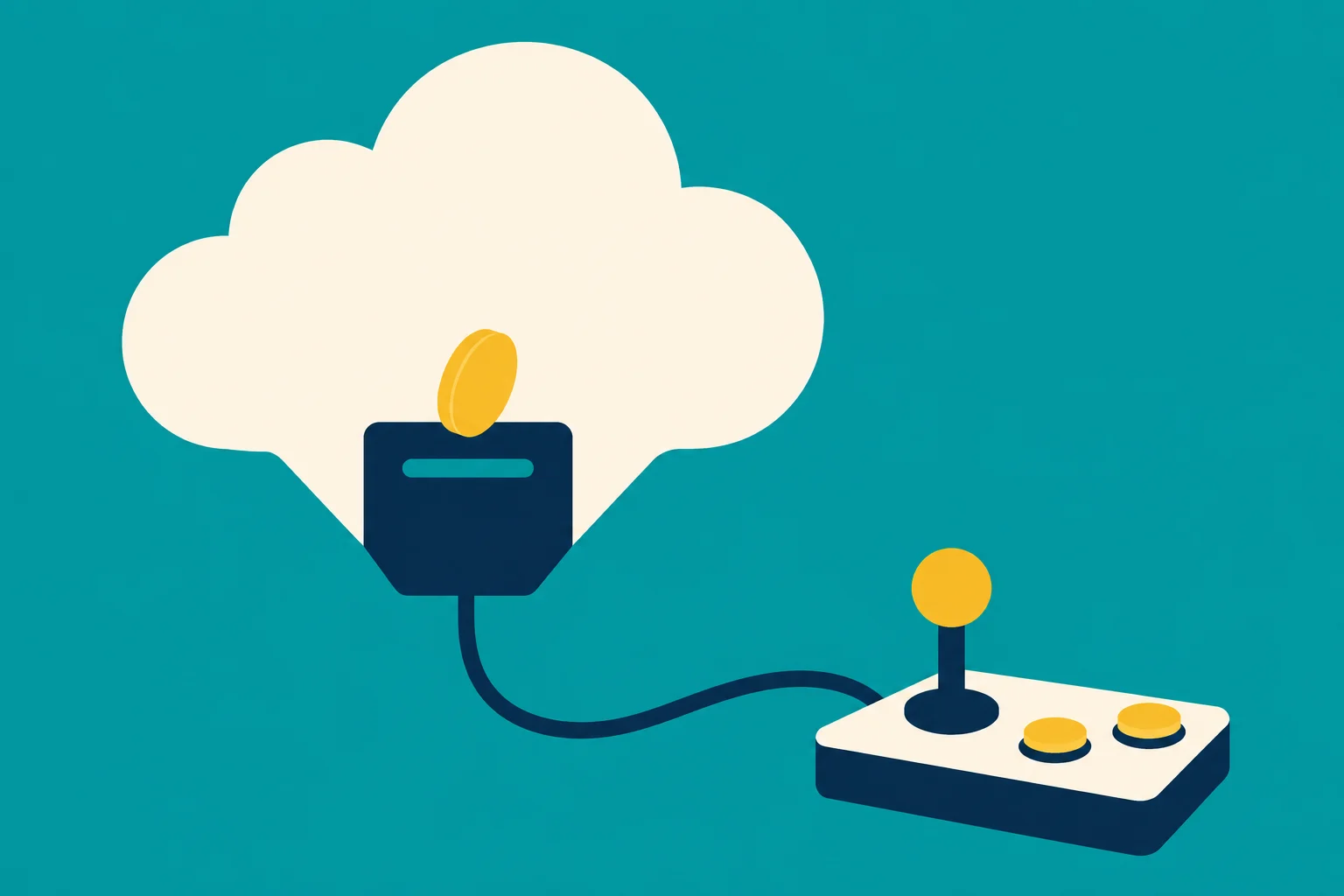
Microsoft started letting Xbox Insiders buy Xbox Cloud Gaming time by the hour this week, rolling out the pricing it first promised in September. Three packs: 10 hours for $3.99 (about 40 cents an hour), 25 hours for $7.99 (32 cents an hour), 50 hours for $11.99 (24 cents an hour), as Microsoft laid out in its Xbox Wire post. The hours don’t expire. The pricing is marked “introductory,” which is the industry’s way of saying it can go up once people are hooked.
The catch, as Ars Technica reported, is that these hours buy streaming access only. You still need to own the game, or have free-to-play access to it. A player who bought a $70 game, then wants to stream it from the cloud instead of downloading it, now pays twice: once for the game, again by the hour to play it remotely. That’s a different economic model from Google Stadia, which bundled unlimited streaming into the purchase price before shutting down in 2022 (with full refunds for unused purchases).
How Game Pass got here
The per-hour store is downstream of a cap Microsoft announced on September 3rd: Game Pass subscribers who stream from the cloud now get a monthly hour bank by tier, not unlimited play. Ultimate gets 15 hours a month, Premium 10, Essential 5. Burn through the bank and the only way to keep streaming is to buy more hours from the same store Insiders are now testing. Microsoft told press it expects the cap to affect 4% of Game Pass subscribers, and said in its own post that “the cost of providing cloud gaming grows as more people use it and play for longer,” conceding that “for some players the practical result is a higher cost.”
That official framing, cost scales with usage, is the standard line any metered service gives. Windows Central’s Jez Corden reported a more specific mechanism, citing unnamed Microsoft figures: “given compute demands for AI, Xbox Cloud Gaming is effectively losing money when used beyond 15 hours per month,” and “when you have Azure server rack space being used for anything other than AI, it seems Microsoft isn’t particularly sentimental towards the idea anymore.” Xbox Cloud Gaming has long run partly on racks of repurposed Xbox Series X hardware sitting inside Azure data centers, a setup that was cheap when Azure had spare capacity to spare. It stops being cheap the moment that same rack space can run Copilot or Azure OpenAI Service workloads instead, which bill at a considerably higher margin per gigawatt than a $9.99-a-month Game Pass Essential subscription ever will. Fifteen hours, on this account, is not a usage threshold picked for fairness; it’s roughly where the opportunity cost of not running AI on that hardware starts to exceed what cloud gaming brings in.
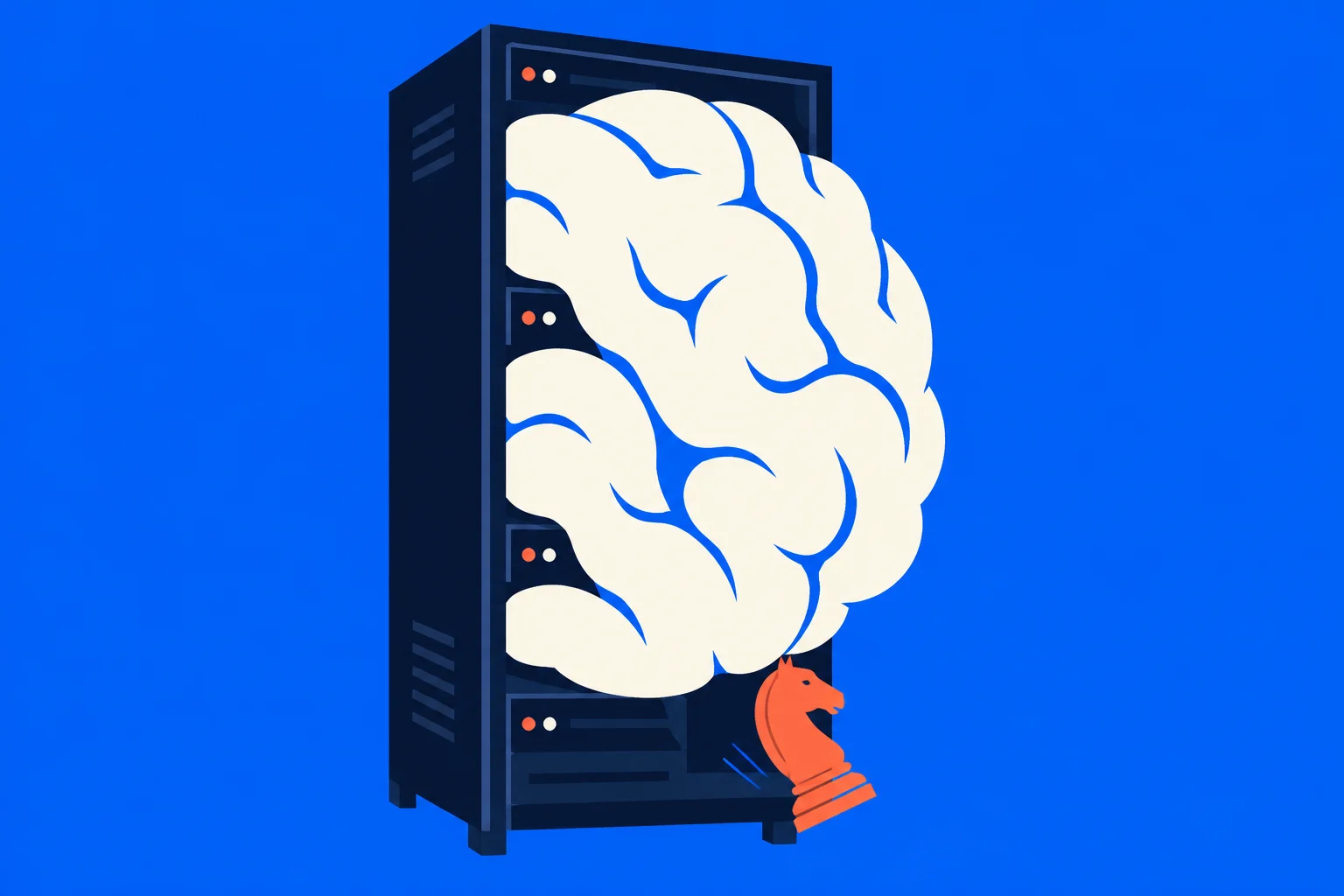
I was recently told by Microsoft figures that, given compute demands for AI, Xbox Cloud Gaming is effectively losing money when used beyond 15 hours per month.
Xbox isn’t alone in metering cloud gaming, and it isn’t even first. Nvidia capped GeForce Now’s paid tiers at 100 hours a month starting January 1, 2026, a change Nvidia said affects about 6% of its users, a larger share than the 4% Microsoft cites for its own cap, though the two caps aren’t really comparable: 100 hours a month on GeForce Now is more than six times Xbox Ultimate’s 15-hour allowance. Nvidia also sells day passes, not hour banks, at $3.99 for a Performance pass (a 6-hour session inside a 24-hour window) and $7.99 for Ultimate (8-hour session). On a strict dollars-per-hour basis, GeForce Now’s cheapest pass comes to roughly 17 cents, undercutting even Xbox’s best rate of 24 cents for the 50-hour pack. Xbox’s advantage is that its hours bank indefinitely; GeForce Now’s day pass expires in 24 hours whether you use all of it or not.
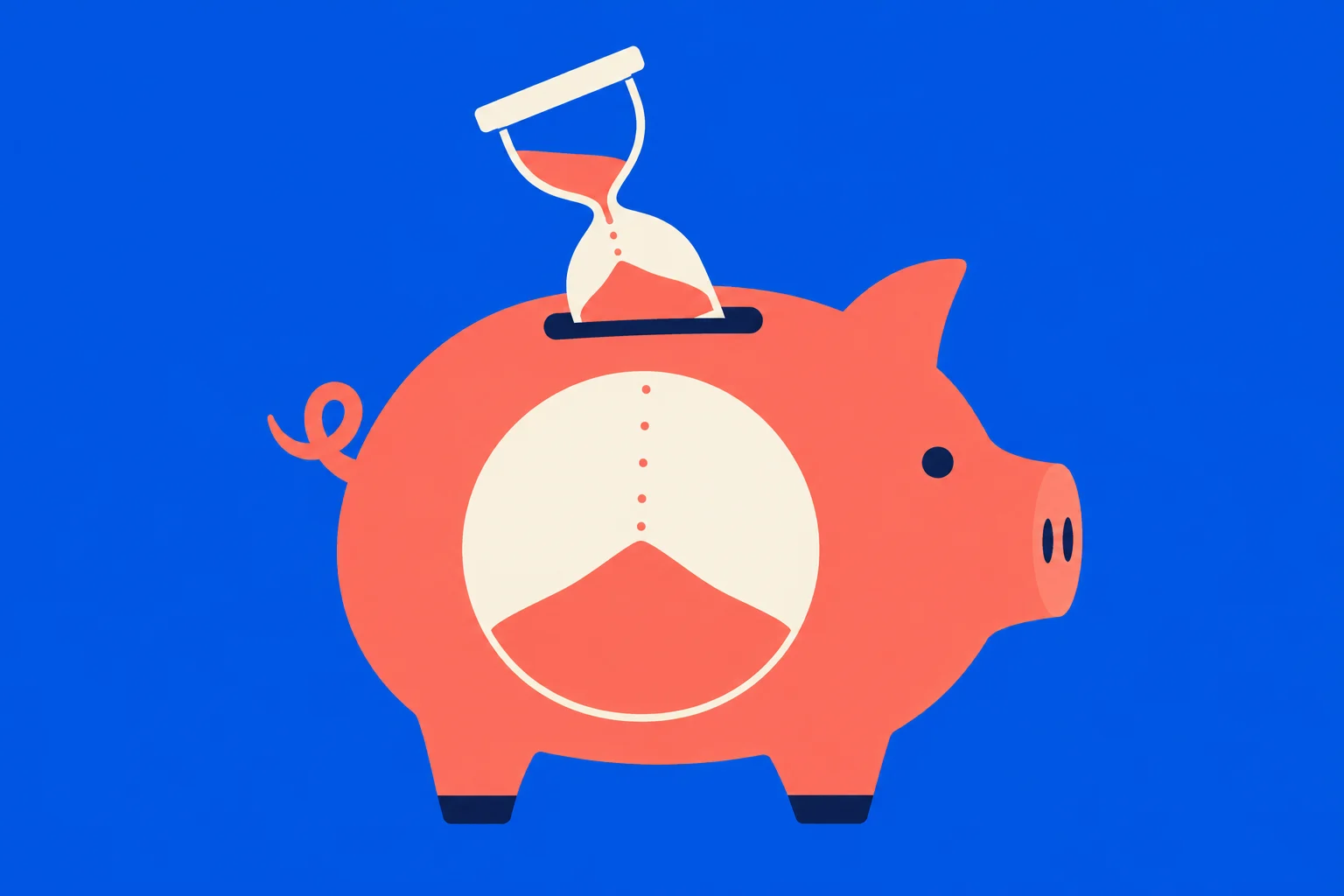
The broader pattern here isn’t specific to gaming. Microsoft’s data-center buildout has reportedly reached commitments on the order of tens of gigawatts of capacity, and every one of those gigawatts can run either a large language model query or a game-streaming session, not both at the same moment, on the same rack. When a company builds one supply of GPU compute and sells two different products off it, consumer gaming and enterprise AI, the product with the lower margin per watt gets rationed first whenever the two compete for the same hardware. Xbox Cloud Gaming, bundled for years into a flat $22.99-a-month subscription, was exactly that lower-margin product. Game Pass streaming hours are now priced closer to what they cost to deliver, which is also roughly how Nvidia arrived at its own cap and day-pass math a year earlier.
None of this is unrelated to the rest of what’s happened to Xbox’s hardware division this year. Microsoft has been cutting costs across Xbox more broadly, laying off thousands of staff in a restructuring Satya Nadella publicly praised in September, and the division is reportedly planning a console line priced at $1,200 to $1,800 for 2028. A division under pressure to send a bigger margin back to the parent company and a cloud-compute supply chain under pressure from AI demand are pointing in the same direction: fewer things bundled for free, more things metered by the unit. Whether 24 cents an hour is where that settles, or just where it starts before the next price review, is the number to watch when the “introductory” label comes off in November.