
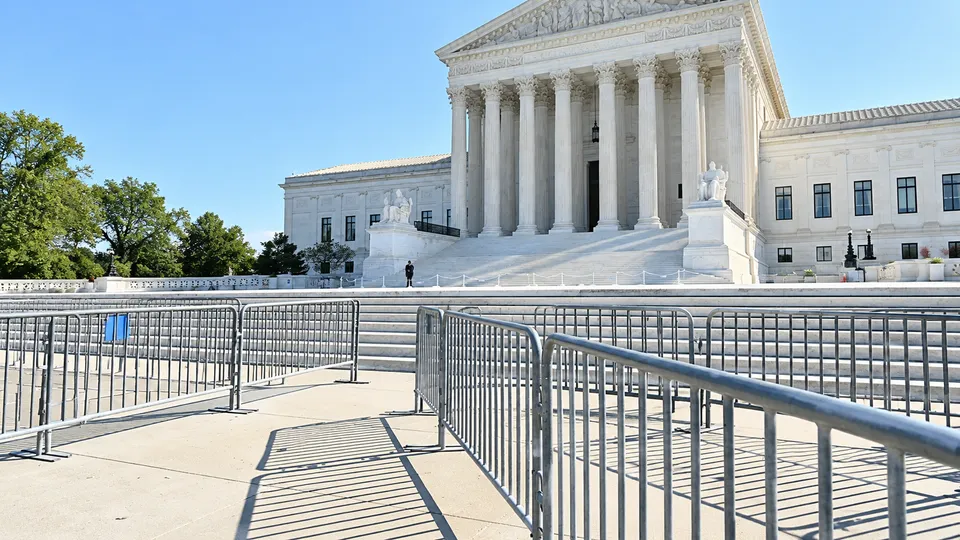
On Nov. 30, the United States Supreme Court will take up a question whose phrasing is dry and whose consequences are not: who gets to enforce civil rights? The justices will hear whether employees of federally funded universities may sue under Title IX over alleged workplace sex discrimination, and the Trump administration has urged them to rule that they cannot — that Congress never granted university employees a private right to bring such claims. As Christopher Rhodes writes in Al Jazeera, the case is the latest front in a broad legal campaign to restrict the ability of individuals and advocacy groups to haul rights violations into court themselves.
The argument sounds arcane. It is not. If people and civil rights groups cannot go to court when the laws protecting them are violated, Rhodes argues, then the power to decide which rights are actually enforced passes to the very government that may be violating, ignoring, or choosing not to enforce them.
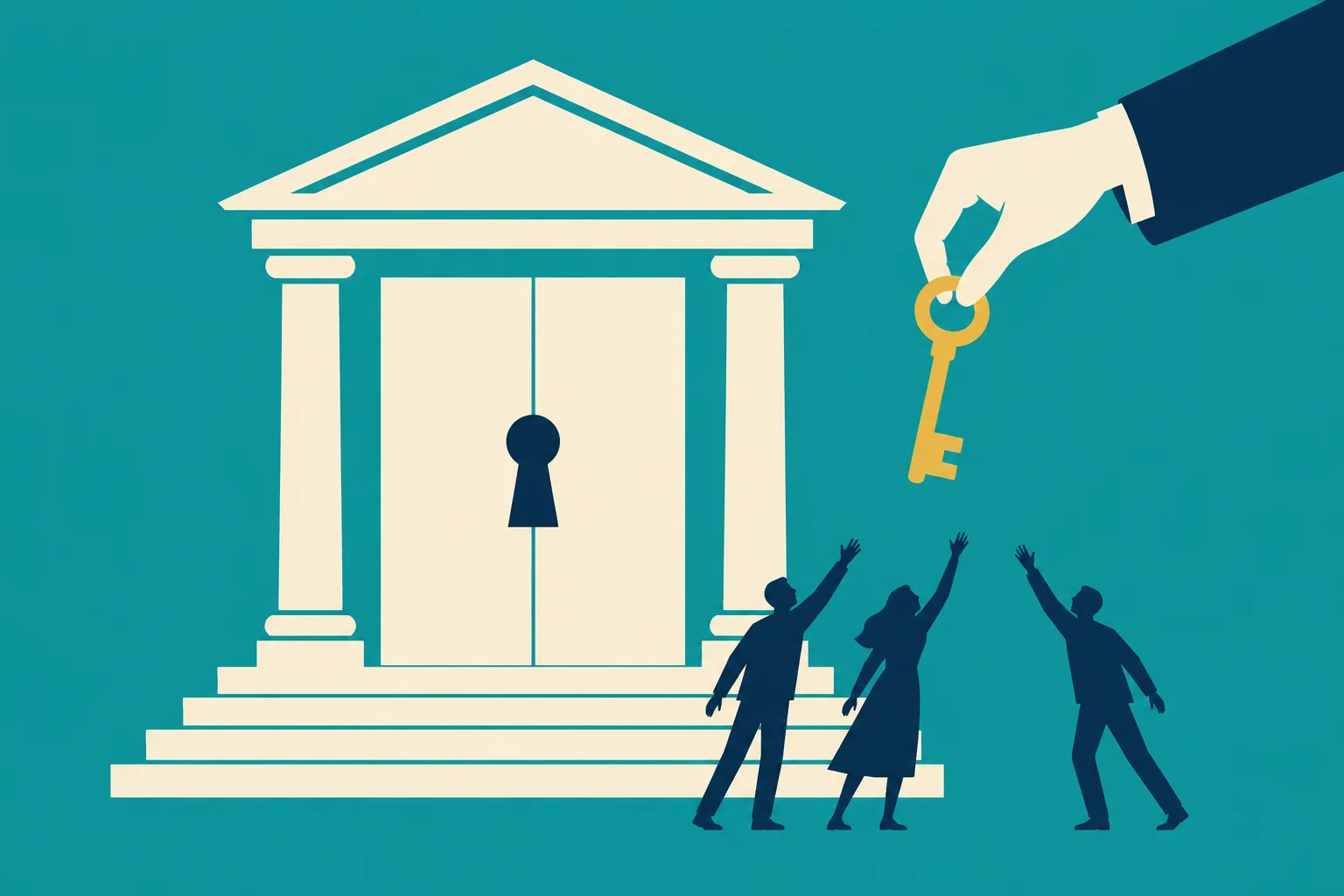
The key and the door
A private right of action lets individuals — or organizations acting for them — sue to enforce rights written into law, seeking compliance or compensation. Such rights are not automatic: Congress and state legislatures sometimes authorize private lawsuits explicitly, and where they have not, courts must decide whether a law implicitly permits suit or leaves enforcement to government alone. Proponents such as AARP see private litigation as an essential tool for the vulnerable when agencies will not or cannot act; critics such as the US Chamber of Commerce Institute for Legal Reform counter that it breeds frivolous suits.
The doctrine runs deep. University of Virginia law professor George Rutherglen, in a 2015 law review article, called civil rights “quintessentially private rights, whose exercise and enforcement should depend primarily on the initiative of the individuals who bear those rights,” warning that public enforcement “cannot entirely displace individual control over individual rights.”
The counteroffensive has been long in the making. In 2001, in Alexander v. Sandoval, a majority led by Justice Antonin Scalia held that Title VI gave no private right to enforce regulations against policies with a disparate impact on protected groups — discrimination that can occur without proof of intent. In a 2021 voting rights case, Justice Neil Gorsuch, joined by Justice Clarence Thomas, used a one-paragraph concurrence to question whether “the Voting Rights Act of 1965 furnishes an implied cause of action,” though no one had raised the issue. And this June, the court ruled against Falun Gong practitioners who accused Cisco Systems of aiding the Chinese government’s surveillance of them, finding they could not pursue those claims under the federal laws they had invoked.
The ballot and the courthouse
Nowhere does the stakes’ weight fall harder than on voting. The Eighth Circuit ruled that Arkansas United, an immigrant advocacy organization, could not sue on behalf of voters who need language assistance under Section 208 of the Voting Rights Act — part of a broader position that private parties cannot enforce key provisions of the act at all. In June, the Supreme Court declined to hear the challenge, leaving the ruling standing.
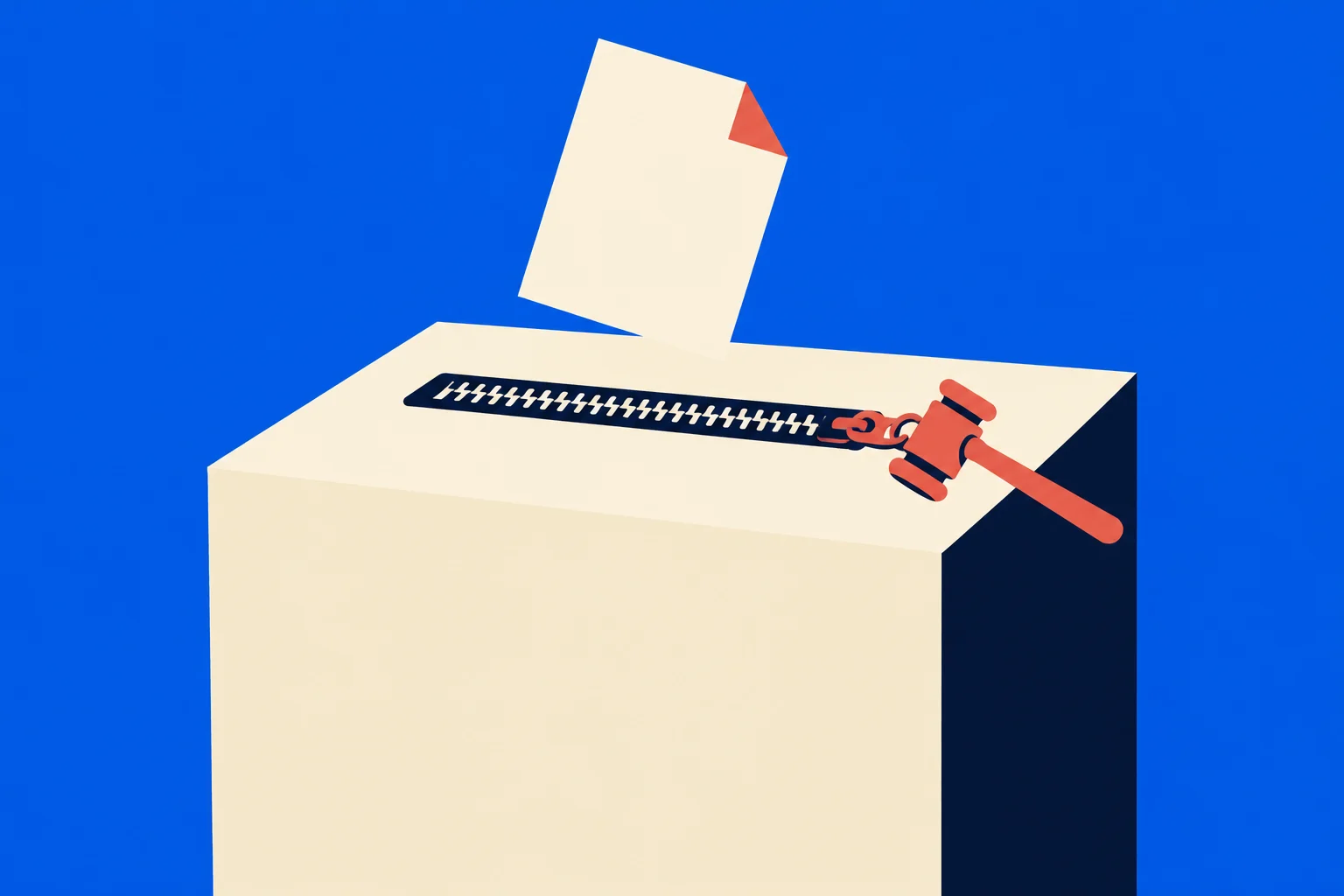
Republican-led governments pressed the same argument in two redistricting and vote-dilution cases — Board of Election Commissioners v. NAACP in Mississippi and Turtle Mountain Band of Chippewa Indians v. Howe in North Dakota. In May, the Supreme Court vacated both judgments and sent them back for reconsideration in light of Louisiana v. Callais — a ruling that sharply raised the bar for some racial vote-dilution claims and, Rhodes writes, endangers the voting power of Black, Hispanic and Native American communities — without resolving the private-enforcement question. Conservative governments, meanwhile, argue only the Department of Justice may bring such cases at all.
The turbines of Southaven
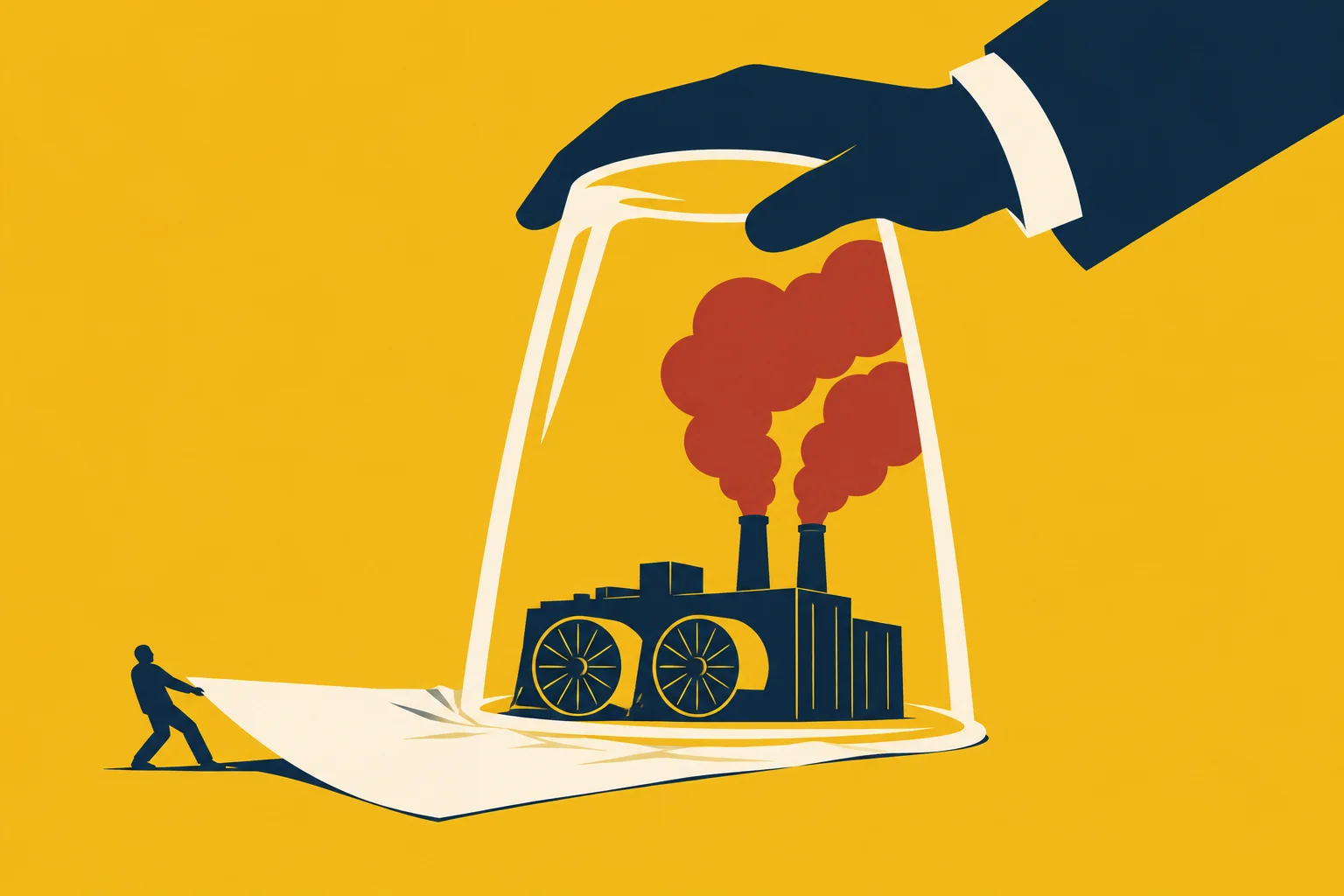
The administration has found a further instrument. The Clean Air Act explicitly grants citizens the right to sue, yet the Justice Department has moved to intervene in and dismiss a suit against xAI over allegations that gas turbines at its power facility in Southaven, Mississippi, violate federal environmental law and pollute surrounding communities; the plant powers xAI’s Colossus 2 data center in nearby Memphis. In September, the department asked the Fifth Circuit to halt the case, contending that letting it proceed would threaten national security and America’s pursuit of global leadership in artificial intelligence. The question there is not whether Congress created the right to sue — it did — but whether the executive can smother a case that collides with its priorities.
Trusting the Justice Department alone is, Rhodes writes, a particularly dubious proposition today: the department has been turned against the president’s political foes, and its Civil Rights Division has been steered away from defending racial and ethnic minorities and toward cases brought by white plaintiffs alleging so-called “reverse discrimination.” A future administration might reverse all that — yet the dependence would remain. In 2024, Democracy Docket counted 216 active voting rights and redistricting cases; the Justice Department had brought only five. As Rutherglen put it, to rely primarily on government enforcers “is to transform the nature of those rights: from private to public, from individuals to groups, from legal control by plaintiffs to political control by administrators.”
The erosion proceeds case by case, the way walls in old cities fall — not in a single blast but stone by stone, each removal too small to rouse the street. Rhodes’s warning is that politicians, advocates and organizations must contest each removal now, or discover one morning that protections won over decades survive only at the pleasure of the officeholders they were written to restrain. The views are his own, not his outlet’s; the court calendar, however, belongs to everyone.