
About 20 members of the Awá, an Indigenous people who have refused contact with outsiders, came out of the forest in Brazil’s northeastern state of Maranhão on Monday and asked a government team for food.
The encounter took place near a government access control post and Tawari, a Guajajara village in the Arariboia Indigenous Territory, according to Brazil’s Ministry of Indigenous Peoples, Al Jazeera reported. Survival International, a British Indigenous rights group, released images on Tuesday of what it called a “historic encounter.” They show members of the group at the forest’s edge holding long wooden spears.
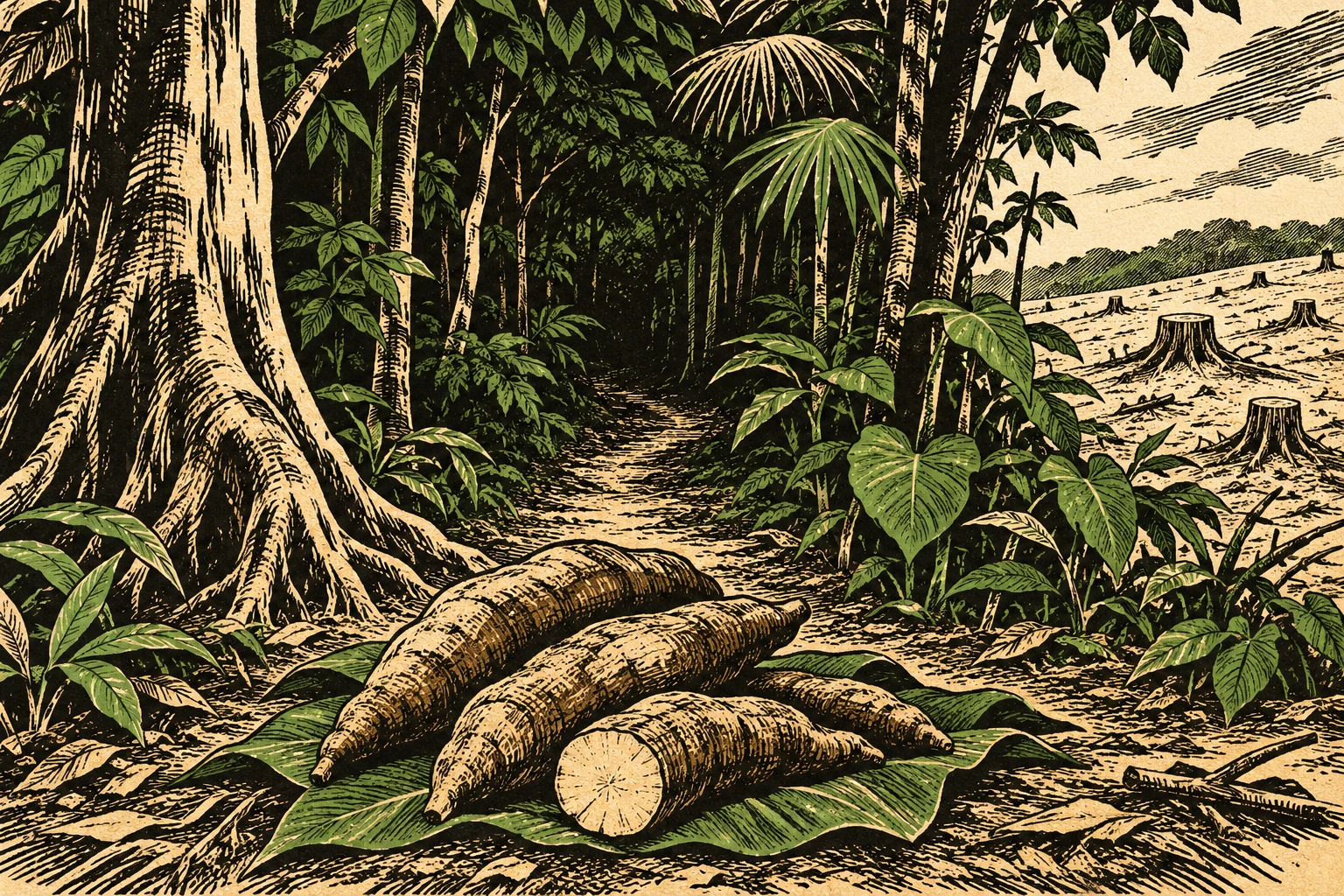
The Awá asked for yams and carried them back into the forest, according to Survival International, which said that “there hasn’t been a similar approach like this with the Awá in recent history, certainly for some decades.” The group suggested the Awá may have come asking for food because outsiders are moving into their land.
Guajajara people who support the government station filmed the meeting, The Associated Press reported. Survival International said it published the footage at the request of the Guardians of the Amazon, an Indigenous group that patrols against illegal loggers and ranchers. Leonardo Guajajara, a local Indigenous leader, told the Brazilian outlet UOL that the Awá had started the encounter.
Funai, Brazil’s Indigenous affairs agency, told Reuters it was reviewing videos and social media accounts that showed isolated Awá people interacting with a village in the territory. It said the state was not seeking contact, in line with its long-standing policy of leaving isolated groups alone, and that the meeting did not necessarily mean the Awá want lasting contact with outsiders.
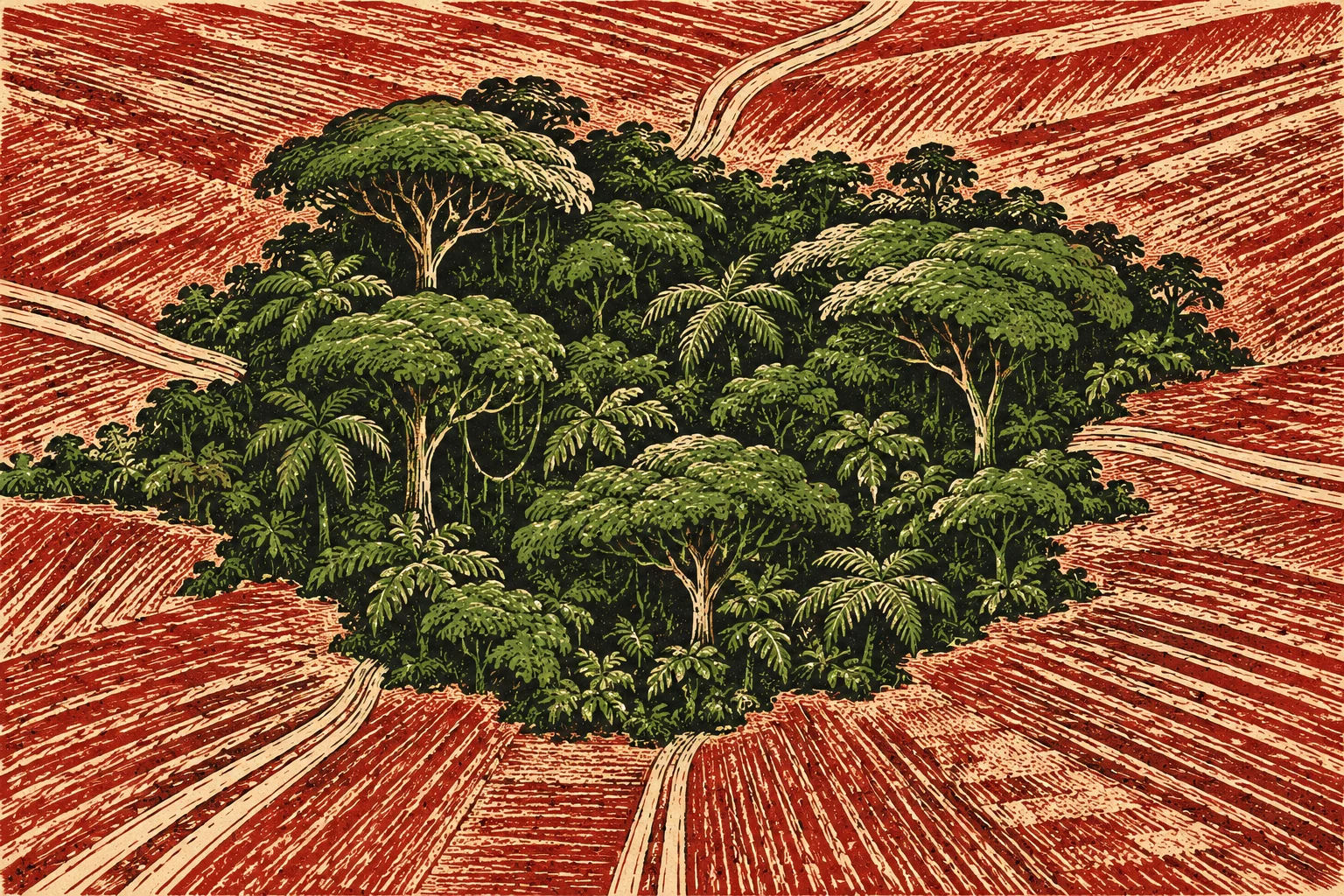
Caroline Pearce, the director of Survival International, said the Awá were “under extreme pressure as intruders encroach from all sides of their territory, driving them into an ever-smaller island of the Amazon rainforest, surrounded by destruction.”
Disease is the more immediate fear. Sarah Shenker, who heads the group’s Brazil team, called the moment “a crisis moment really and a wake-up call,” and said, “Anything that they might catch from people with whom they made contact could be fatal for them.” COAPIMA, an organization of Indigenous peoples in Maranhão, said the agencies responsible had to act carefully because unplanned contact puts isolated groups at risk, mainly from illness.
Advocates tie the encounter to illegal logging and ranching. Authorities haven’t established that link, UPI reported.
Funai describes the Awá as a Tupi-Guarani people of northwestern Maranhão, some of whom still live in voluntary isolation. A Brazilian database of Indigenous peoples counted about 520 Awá in the state in 2020, a figure that includes those already in contact with the outside world.
The record elsewhere in the Amazon is grim. Illegal miners, loggers and ranchers have pushed into the lands of isolated groups across the region, and in Colombia about 40 percent of the Nukak people died of disease after outsiders reached them in the 1980s.
“If there is no forest, there are no uncontacted peoples,” said Teresa Mayo of Survival International.