
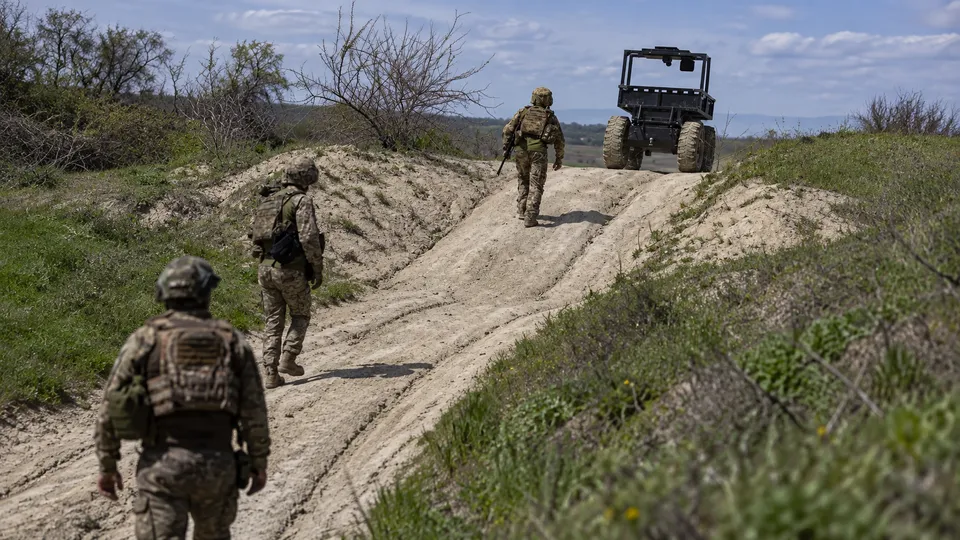
In late September, the commander of Ukraine’s Third Army Corps said his forces had become the “first in the world” to air-drop armed ground robots from drones in combat. The claim, by Brig. Gen. Andrii Biletskyi, describes a mechanism worth stating plainly: heavy bomber drones carried uncrewed ground vehicles, or UGVs, over the front line and dropped them inside Russian-held territory, where the robots operated against troops who were not expecting machines to fall out of the sky. The tactic, Business Insider reports, is one piece of Operation Vivaldi, the counteroffensive Ukraine launched over the summer to halt Russian advances in the northern part of the Donetsk region. Analysts at the Institute for the Study of War, a US think tank, credit the operation with retaking dozens of square miles of territory.
From decoys to strike platforms
The unit doing most of this robot work is NC13, a strike UGV unit inside the Third Assault Brigade of the Third Army Corps. Its commander, Mykola Zinkevych, call sign “Makar,” told Business Insider through a translator that the robots’ role expanded over the course of the operation. In the opening stages, UGVs were used as distractions: they drew Russian attention, and in doing so exposed surveillance systems and firing positions, while Ukrainian assault troops moved through the gaps and seized key territory.
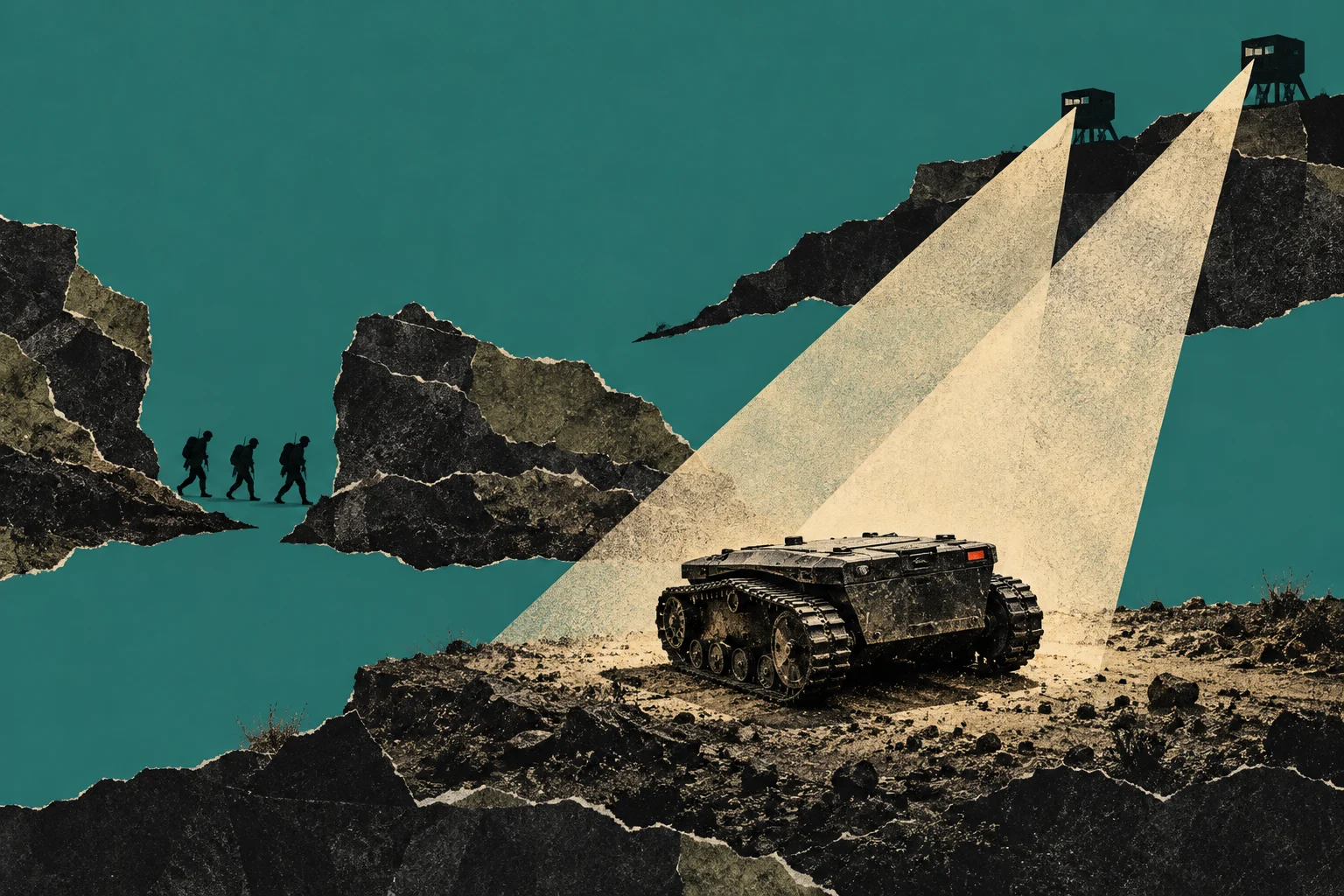
From there the machines became armed strike platforms. Zinkevych said his unit used them to hit Russian command posts, drone operators and large troop concentrations in the rear, disrupting command and control and logistics — making it harder, he said, for Moscow to move in more soldiers and to conduct operations. Robots also carried out what he described as full-scale robotic assault operations, both independently and supporting Ukrainian infantry. The air-dropped robots, he said, surprised Russian troops and hurt their morale. NC13 also deployed robots armed with grenade launchers, which Zinkevych said no unit had done in combat before; the Russians apparently read the UGV advance as an infantry assault and were confused and disoriented by it. Robots have additionally delivered explosives and attacked enemy command centers during the operation.
How much of the gain belongs to the robots
The claims of world firsts and morale effects come from the officers conducting the operation, and the record offers no independent count of robot-caused Russian losses. Zinkevych himself spread the credit: he attributed Vivaldi’s success only in part to strike robots, also naming Biletskyi’s planning and coordination. Western analysts and the Ukrainian military point to conventional artillery as a key factor. The Third Army Corps said last week that Ukrainian artillery fire prevented Moscow from bringing up reserves, equipment and ammunition to retake lost positions, with drones assessing damage and eliminating remaining targets.
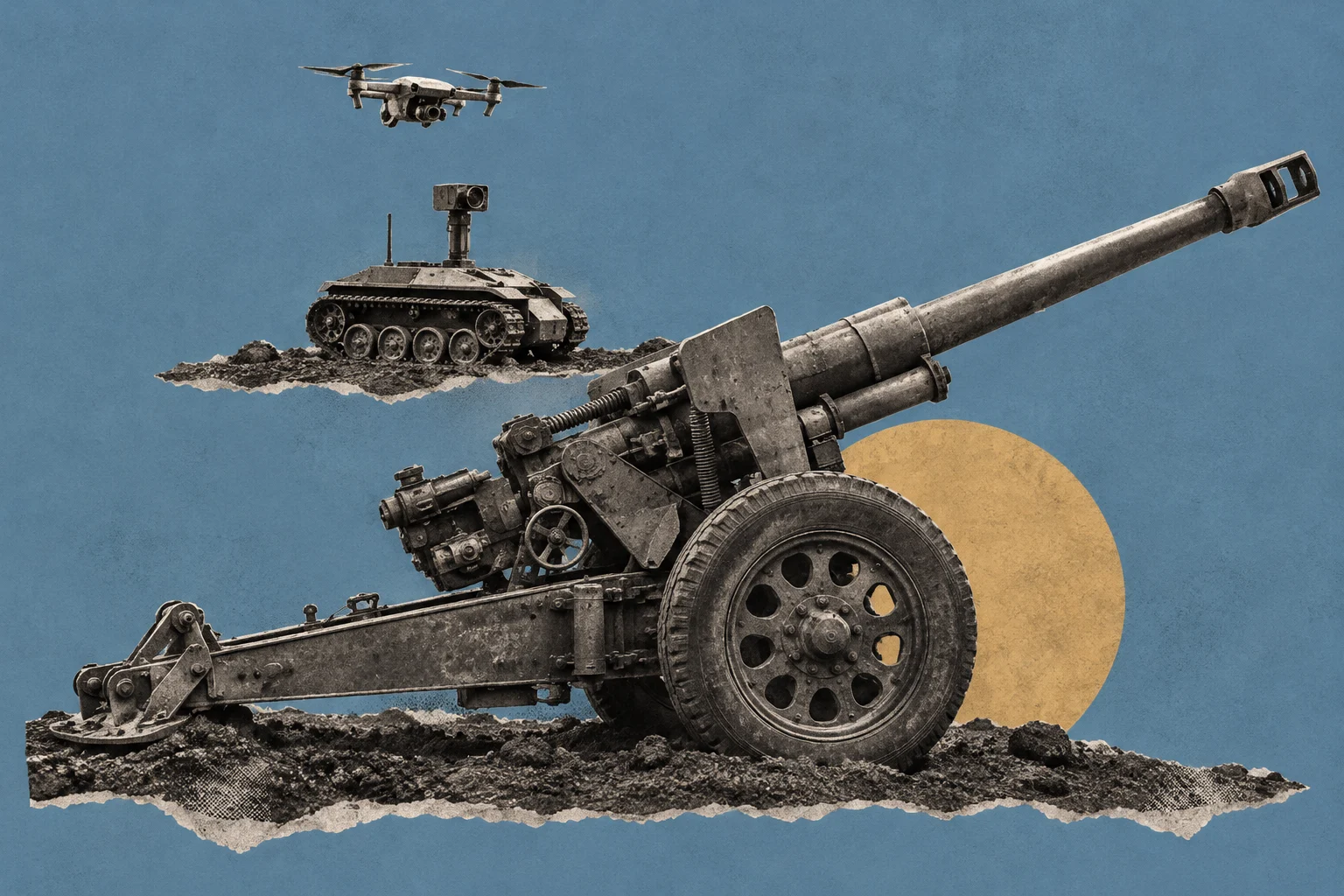
The artillery-versus-robots question matters because of how the war’s casualty share has shifted. Artillery caused the larger share of casualties in the war’s early stages, but drones are now the biggest killer. Even so, ISW analysts wrote in an October 9 battlefield assessment that artillery remains relevant in a drone-dominated fight — which is another way of saying the ground robot’s role in Vivaldi is real but layered on top of, not in place of, the old weapons.
Vivaldi sits inside a wider Ukrainian push to put machines in jobs that kill humans: officials in Kyiv have said they want robots to take over dangerous front-line missions, logistics and casualty evacuation above all. Whether air-dropped UGVs and grenade-launcher robots stay one-off exploits of a single inventive unit or become standard kit is the number to watch next: a count of how many brigades beyond the Third Assault field a unit like NC13.