
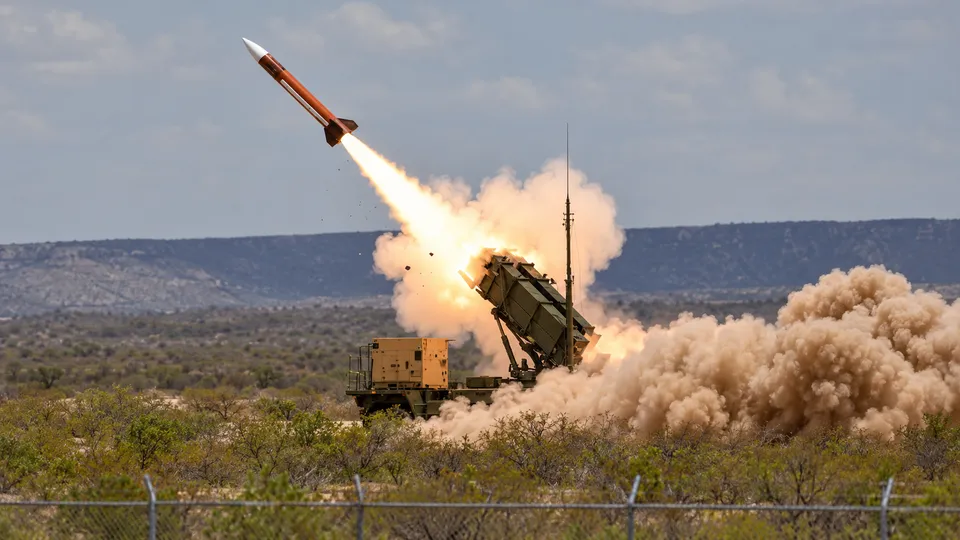
The Army is rebuilding how it trains and protects its air-defense troops, drawing on the missile and drone wars in Ukraine and the Middle East, officials told Business Insider, as commanders concede their Patriot crews and radar systems are now prime targets on any modern battlefield.
Lt. Gen. John Rafferty, the head of Army Space and Missile Defense Command, said air defenders have been “probably the most aggressive community in the Army for learning lessons from Ukraine,” speaking to reporters at the Association of the United States Army conference last week. His first question on taking command this year, he said, was straightforward: “How have we embraced those observations from Ukraine and then put them into action?”
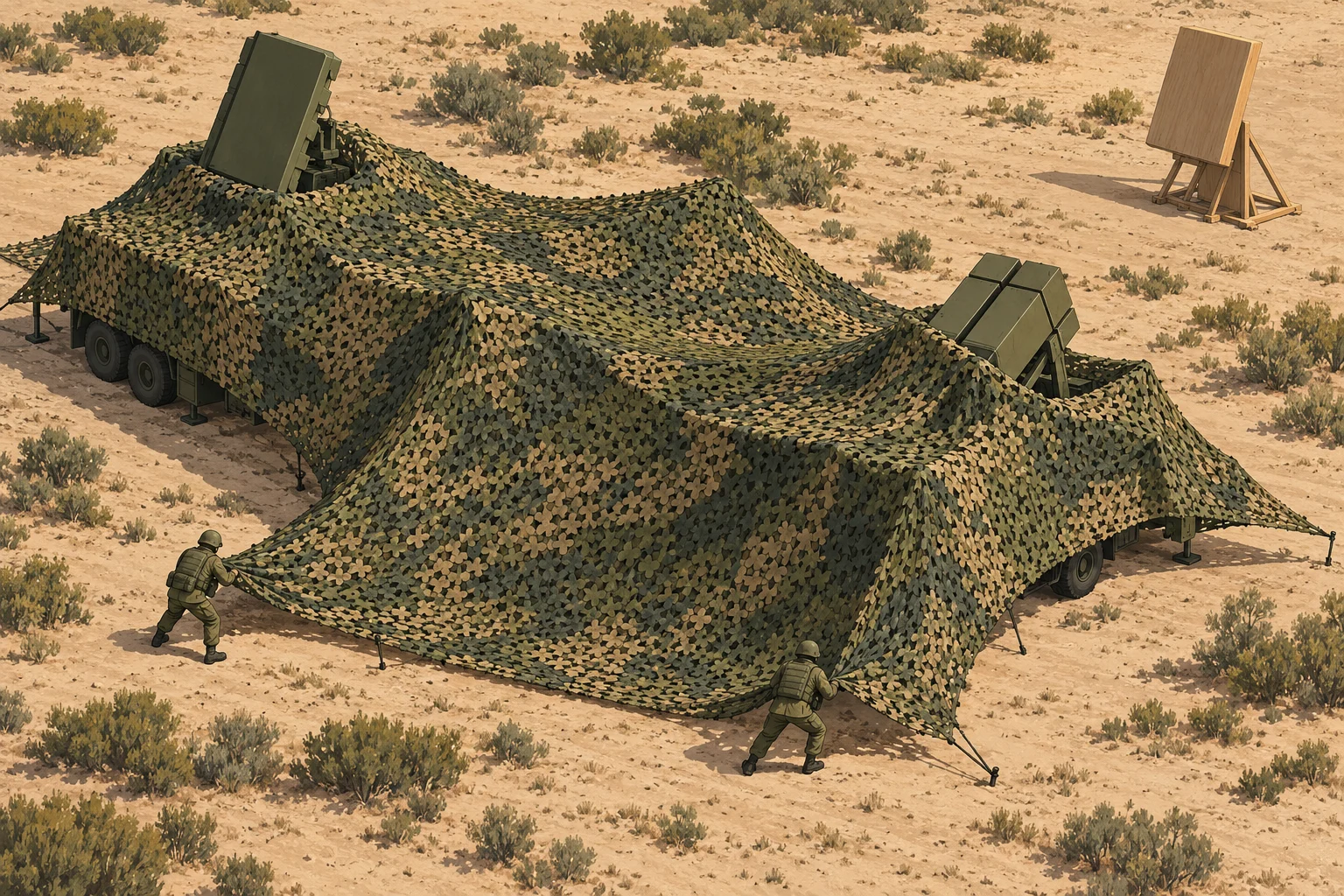
What he has found, General Rafferty said, are command teams that have “put those lessons in place and how they are taking steps to protect their soldiers, to protect the critical systems of Patriots and sensors, protection, camouflage, deception, all of that.”
Those lessons flow into the 32nd Army Air and Missile Defense Command at Fort Bliss, Texas, where officials said training materials are updated with observations from Ukraine and shared across the Army and with industry. The command, which recently transferred to Space and Missile Defense Command, handles missile defense planning across regions, covering both intercepts and passive measures like camouflage and dispersal.
The American war with Iran has added a second classroom, and a harder one for troops holding the line. Roughly 2,500 soldiers from General Rafferty’s command are deployed to the Middle East, he said, including 25 to 30 percent of its air-defense formations, mostly Patriot units and Terminal High Altitude Area Defense crews. Their units have had to beat back large-scale drone and missile bombardments while husbanding a finite supply of interceptors.
“We’re taking the things that we’re seeing in the Middle East and feeding it back to the other brigades in the formation,” Col. Matthew Ingils, the 32nd’s deputy commanding officer for operations, told Business Insider. That means capturing, as he put it, “the types of threats” and “the scale, the scope, the complexity of what we’re seeing,” then drilling new soldiers on it so recruits can catch up fast.
The two wars teach different things. In Ukraine, Russian forces hunt Patriot batteries and try to swamp them with one-way attack drones mixed with ballistic and cruise missiles, a fight that has made mobility, concealment and dispersal matters of survival. In the Middle East, the education is in the sheer volume of incoming fire. Combat simulations, officials said, are being rewritten to match both.
Beneath it all sits a worry the Pentagon cannot train its way around: interceptors are being expended at a heavy clip, and officials and analysts alike have questioned whether American stockpiles would hold through a larger future war.