
There is a rhythm to legislation in Washington that anyone can learn. Congress passes a sanctions bill. The president signs it, with a ceremony. Then, two days before the sanctions actually take effect, the president signs a different piece of paper making them go away. The first piece of paper is for the obituaries; the second is for the oil market. On Friday, President Trump issued an executive order waiving the sanctions, restrictions and duties in the Graham Act, certifying to Congress — as the law itself allows — that doing so was “in the national interests of the United States.” The law, championed by the late Senator Lindsey Graham and signed by Trump on September 18, was aimed at top Russian figures and the biggest buyers of Russian oil and gas. It was one of Graham’s final acts before he died. The waiver is one of his legacy’s first.
The order offered no explanation, which is itself a kind of explanation. By Sunday, Trump supplied one on Truth Social: “I am in the process of negotiating Peace in the war between Russia and Ukraine, and don’t want to do anything that will drive, foolishly, Russia away from the bargaining table.” This is the negotiating-table theory of sanctions relief — you keep the pressure off so the other side keeps talking. The obvious flaw, noted by roughly half the Republican Senate conference, is that Russia’s observable response to American concessions has been ballistic missiles. RFE/RL reported that Moscow fired several at Kyiv late on October 18, striking a medical center building and killing at least one person, according to Mayor Vitaliy Klitschko. The Kremlin has offered no concessions, rejected calls for a full cease-fire, and still demands control over territory it has been unable to seize. Putin, visiting a command post last week, ordered the military to continue its “massive and coordinated” strikes. If the waiver was meant to keep Russia at the table, Russia appears to have taken the waiver and kept the table.

The domestic politics are blunter, and they involve diesel. The waiver came a week after Trump eased sanctions on Russia’s energy sector and announced a deal with Putin to import 300,000 tons of Russian diesel — about 2.2 million barrels — into the U.S. market. The administration faces intense pressure to lower fuel prices two weeks before midterm elections in which Republicans are expected to struggle, with the Iran war pushing up gas, diesel and broader inflation. Now consider the arithmetic, which CBS News did: the United States burns about 4.1 million barrels of diesel a day, so the entire Russian purchase covers a bit more than half of one day’s consumption. Also, Ukraine has spent the past year enthusiastically blowing up Russia’s refining capacity, so it’s unclear when Russia could even deliver the fuel, and experts say the deal won’t offset the supply disruptions from the Iran war. As a sanctions policy it is a surrender; as an energy policy it is a rounding error. It does manage to be both.
The Republican reaction is the story, because it is not the usual mumble. Senator Thom Tillis of North Carolina called the waiver “beyond irresponsible” and “unconscionable,” saying the administration was “capitulating to a Russian dictator who illegally invaded Ukraine and butchers innocent civilians every single day,” and suggesting the president could lower energy prices “by solving the Iran problem, not by doing a solid for Vladimir Putin.” Senator John Cornyn of Texas said “Lindsey would be appalled” and called helping Putin “reckless,” warning that “our NATO allies would be next.” Senator Kevin Cramer of North Dakota, on Face the Nation, said “capitulating to a bully generally means they’re going to make more demands going forward,” adding that a “business negotiation approach” doesn’t work on “a thug, which is what Vladimir Putin is.” In the House, Nebraska’s Don Bacon wrote that “the president is prolonging the war, not ending it,” then got specific about the retaliation: “The President has an agenda: supplemental, reconciliation, Ballroom, etc. Many of us won’t fund these things knowing he is propping up a dictator’s invasion and throwing an ally under the bus.” That is not a press release; that is a whip count.
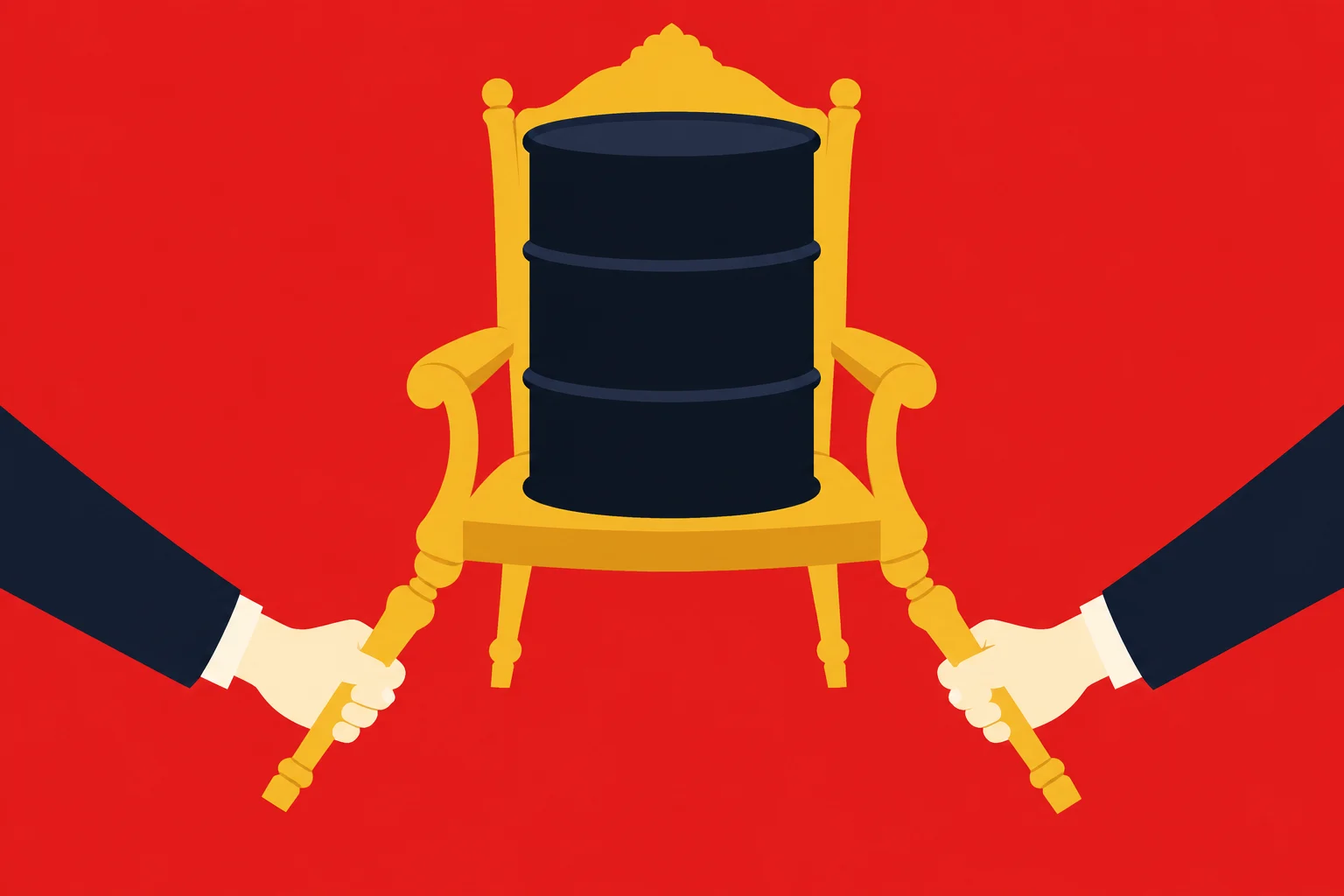
The Democrats, characteristically, are split between outrage and I-told-you-so. Chuck Schumer called it Trump’s “deal with the devil” giving “the Russian economy life support.” Gregory Meeks, the ranking Democrat on House Foreign Affairs, said he had opposed the bill precisely because it expanded presidential waiver and tariff authority — “He has had the power to sanction Russia for years. What he lacks is the will,” Meeks said — which is an elegant point: Congress built the escape hatch into the law, and now objects that the president used it. The Graham Act’s waiver clause required only a certification of national interest. Trump certified. The mechanism worked exactly as drafted; that is the problem.
In Kyiv, the mood is grief layered on strategy, and it deserves plain treatment. Zelenskyy spoke last week about Graham — “We all had great respect for Lindsey. He devoted his life to America... shortly before the tragedy, Lindsey was in Ukraine. He always supported us very strongly” — and said the decision to undo the late senator’s work “definitely helps only the Russians.” On Meet the Press, asked about the trajectory, he was blunter: “If the United States will take the side of Russia, of course we will not prevail.” He said he hoped Trump would change his decisions, “because I think that it’s all mistakes and it will not help us. And it will not help United States.” Zelenskyy also confirmed that intelligence-sharing, interrupted earlier in the week, now appears “de-blocked” — “Now it works,” he said — a sentence that tells you how transactional the relationship has become: the help arrives in units you have to verify are switched on.
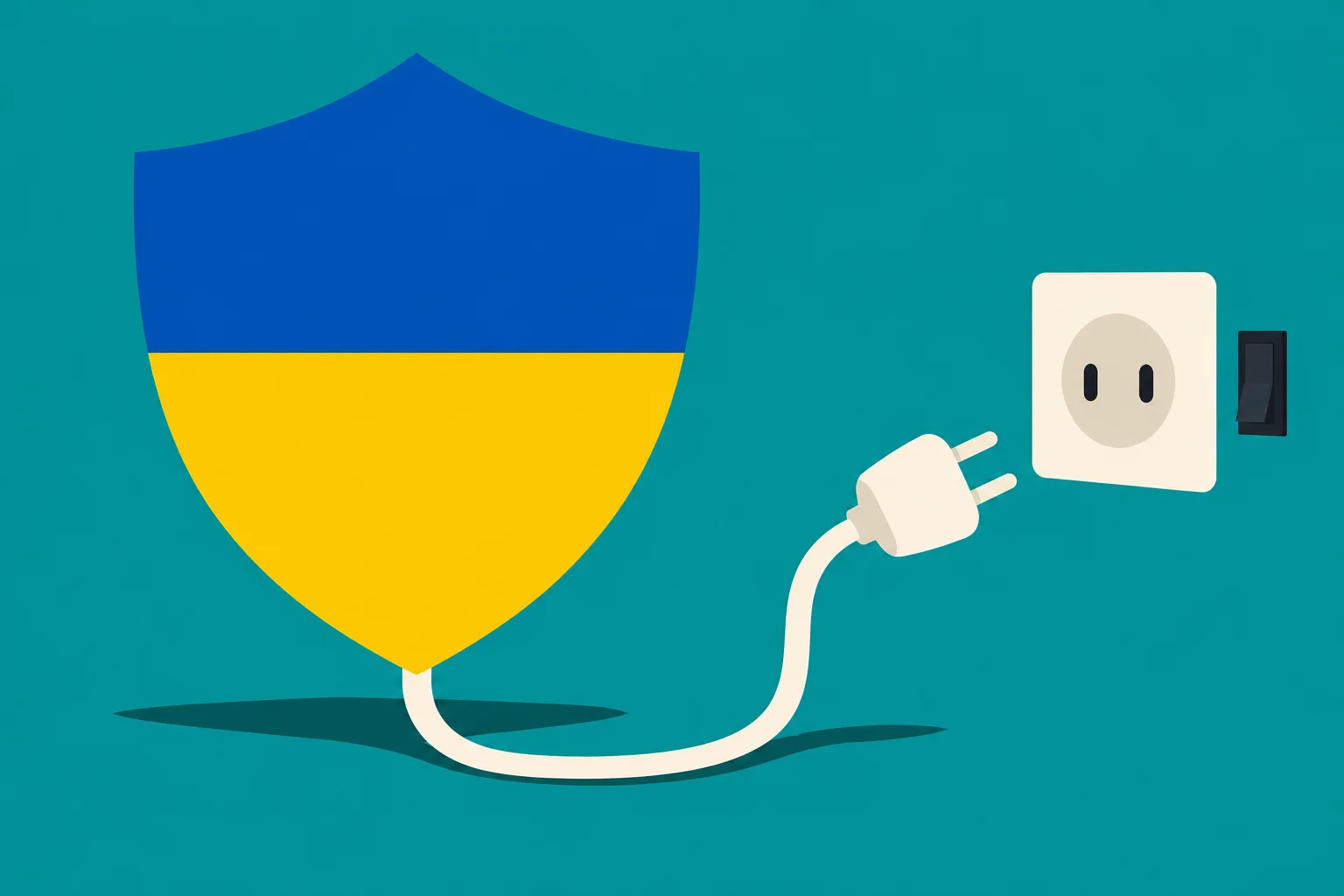
Which brings us, with some reluctance, to the satellites. Ukrainian officials have recently reported difficulties with Starlink, Elon Musk’s commercial network, and Starshield, its military sibling; Zelenskyy said over the weekend that throttled Starshield speeds have left Ukraine unable to use interceptors against Russian Shahed drones. Musk wrote on X that “Starshield systems are owned and controlled by the US government. Any limits on speed or usage are decided by the US military and ultimately POTUS.” Secretary of State Marco Rubio said the administration had “nothing to do with that.” Trump said Friday he hadn’t limited Ukraine’s access and didn’t believe Musk had either; on Monday he said he didn’t know who ordered the interruption, “but I’d like to find out.” So the current state of play is that a privately built military network, owned and controlled by the U.S. government per its founder, slowed down in a way that benefits Russia, and nobody in a position of authority will say who touched the dial. The president would like to find out, which is a reassuring thing for a president to say about his own chain of command.
Through it all, Trump has been grading the war on a curve. “Russia, frankly, has been fine on Ukraine, they haven’t been doing much,” he told reporters Monday, on the same day Zelenskyy was cataloguing strikes on a medical clinic, a school, a metro station and residential buildings — and two days after the missiles hit Kyiv. He has blasted Ukraine for striking Russian refineries, told the country it should “get a new leader,” said of Ukraine that “they’ve given us nothing,” and claimed Zelenskyy “doesn’t want to end this war, and probably never did.” New photos of Trump with Putin and Xi Jinping now hang in the White House’s Palm Room, per CBS. The diplomacy continues, though: Zelenskyy says he has met envoys Steve Witkoff and Jared Kushner and that the sides are “preparing the next steps,” and that “peace comes only through strength and cooperation built on trust.” Trust is doing a lot of work in that sentence. The waiver, unlike the sanctions, has no end date. It just keeps not expiring.