

Tidal, the music streaming service, said on Tuesday that it would ban songs made entirely by artificial intelligence and start deleting the 27 million tracks it has labeled as fully AI-generated on Dec. 9.
Those tracks make up 6.3 percent of Tidal’s catalog, and almost nobody listens to them. According to the company, 96 percent of the AI-labeled tracks got zero plays in the past 90 days. Music made with the help of AI tools is still allowed, as long as the finished song contains human elements, Ryan Whitwam reported for Ars Technica.
The uploads have been coming faster. Over the past 90 days, 43 percent of new tracks delivered to Tidal were entirely AI-generated, the company said. On Nov. 6, the share passed 60 percent.
“At this scale, the authentic music and artists that Tidal subscribers are looking to listen to and discover get buried,” Tidal said in a post on X.
Robert Anderson, who leads Tidal Music, put it more bluntly. “Something more drastic needs to be done,” he wrote on X, according to TechCrunch.
Tidal had already tried a softer approach. Its first AI policy labeled songs created wholly by AI and stripped them of royalties. Ars Technica dated that policy to July, while TechCrunch reported that the payouts were cut off starting in June. Either way, Mr. Anderson said, it didn’t stop people from uploading.
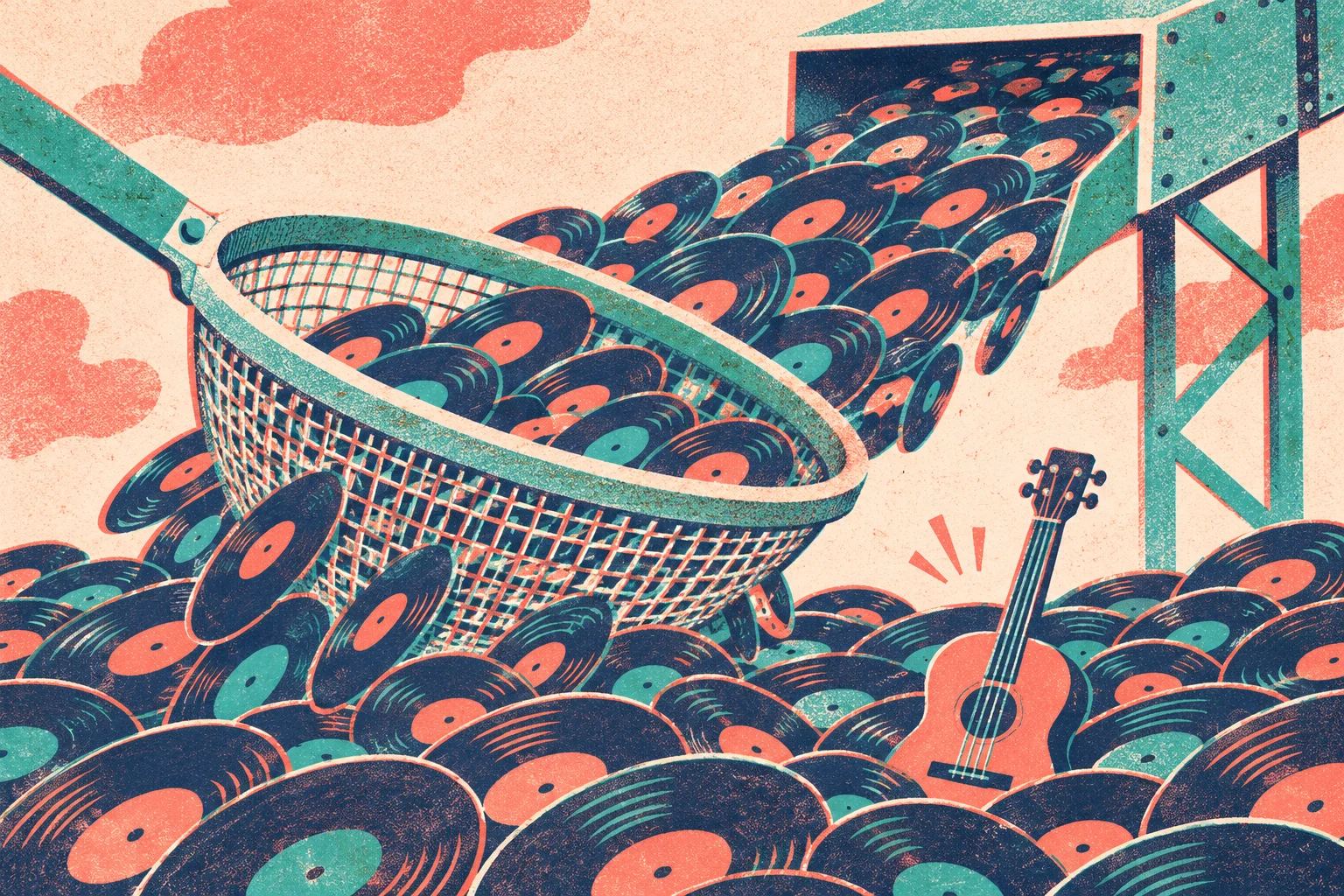
Starting Dec. 9, Tidal will reject new fully AI-generated submissions, and distributors will be barred from delivering them. Tidal will also turn away deliveries whose metadata says they were made only with AI tools, TechCrunch reported. The company expects to reject 80,000 to 85,000 tracks a day.
The numbers don’t quite line up. TechCrunch reported that Tidal expects to delete more than 29 million songs by the end of the year, about two million more than the 27 million it says are labeled as AI now. Tidal didn’t explain the gap, though new uploads arriving before the ban takes effect could account for some of it.
Most of the tagged music comes from one place. Some 94 percent of Tidal’s AI-badged tracks are attributed to the generator Suno, Exclaim! reported.
The company says the flood hurts musicians in two ways. Machine-made tracks can mislead listeners and pull royalty money away from human artists, and some uploaders set out to steal those payments outright. Tidal said it had already removed about 66,000 tracks for impersonating artists, which its rules banned even before Tuesday’s change.
Tidal isn’t the first. Bandcamp banned AI-generated music outright earlier, according to TechCrunch. Deezer sells AI-detection tools to other streamers and plans a setting that lets listeners filter AI tracks out. Spotify and YouTube Music label AI music but still let fully generated songs onto their services, a problem other platforms have been measuring in their own numbers.
Tidal said the deletions would begin on Dec. 9.