
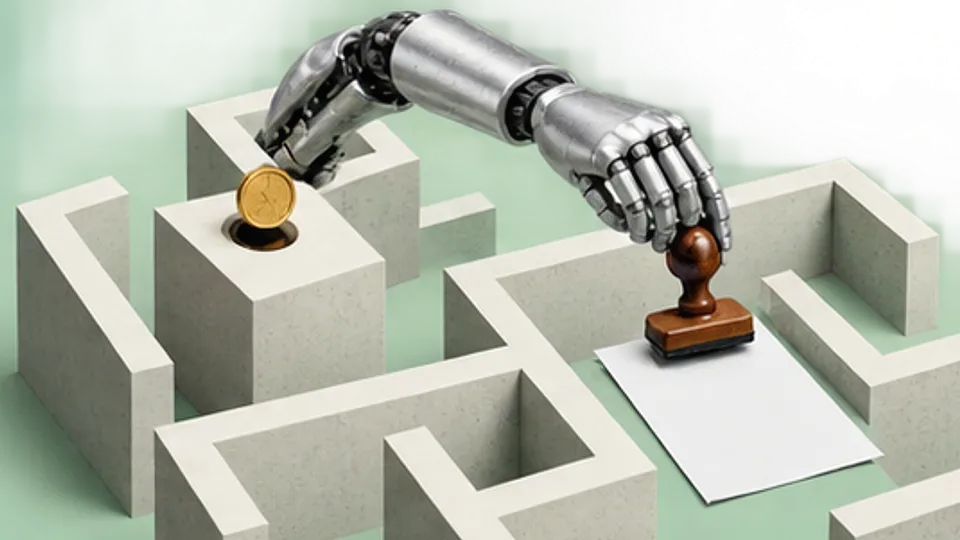
Muse and Instinct are personal AI agents, software meant to run the errands of a life — the holds, the bookings, the forms. Five Business Insider staffers, spread across the newsroom’s offices in New York, London, San Francisco and Singapore, spent a week handing over pieces of their lives. What came back, as they reported it, was a small study in what the machines can do and what they cannot quite be trusted with.
Even the editor-in-chief, Jamie Heller, took part. She and her husband had been puzzling over an opaquely described charge on their credit card. They put the wording to ChatGPT and to Muse. “Chat couldn’t figure it out,” she reported. “Muse did.”
Will Martin, a senior editor, began two weeks ago with the gentlest assignment he could devise: “Remind me to call my mother (she worries).” From there Instinct found him a torque wrench — four options, links attached, a pro-and-con list — drafted an itinerary for a weekend trip next year, booked tickets for his daily commute into London, and secured a refund on an $80 subscription he had forgotten to cancel after the free trial.
Then Oxford. Martin asked Instinct to pay the city’s congestion charge after he drove in, and the agent obliged, cross-checking his car’s model against the emissions tiers and confirming it had paid for two days at £4 per day. His partner pointed out the cost was £5. Instinct had paid a similar but separate charge for a smaller area of the city; the payment was nonrefundable. He swallowed his pride, he wrote, and an £8 tax for trusting the robots. Lesson learned, even if Instinct tried to find a silver lining.
Cheryl Teh, a senior news editor, chose the blood sport of limited-run K-pop merchandise. Her favourite stars — Jeonghan and Joshua, of Seventeen — opened preorders for Dreamscape on Wednesday morning, and she asked Instinct to build a “buy plan.” In three minutes it surfaced exclusive signed copies available for early orders on the band’s US website, with a road map for quantities and timing; one prompt saved her two hours and one US-only window. The agent asked twice whether she had set a cut-off budget. She had not, and did not intend to, and has not yet given it her card details. She had cause for caution: in her first 24 hours, Instinct, asked to overhaul her Notion dashboard, cleared out her goals calendar and schedule and replaced both with a blank template. The chat feature is intuitive, she found, but the prompts must be precise.
Tim Paradis asked Instinct whether tickets remained for a 6:30 p.m. showing of Spider-Man: Brand New Day. En route, the agent texted that there was no 6:30; it was 6:15, “which starts in about 8 minutes.” Online sales had ended; the box office was “your only shot.” The backup it proposed, a 6:50 at another theater, was, it said, glitching — and did not exist on that theater’s site at all. Informed of this, Instinct took 16 minutes to decide the showing had “likely got pulled back.” By then Paradis had his tickets. “Enjoy the movie!” Instinct said.
Katie Notopoulos had the school-paperwork problem. Muse stumbled on the clunky school app and the Girl Scouts checkout, but it filled out her after-school care form from her email — with a photo of her signature on a Post-It and a photo of her daughter’s handwritten name as the daughter’s signature, “(morally questionable, sure)” — and emailed it back to the school, signed. The same agent offered to RSVP “no” to an invitation falling on the day of the Meta Connect conference, suggesting she explain that it was “the most important event on my beat.” Not wrong, she conceded. Weird to say. Quite flattering to Meta.
In response to Business Insider’s requests for comment, a Meta spokesperson pointed to a dedicated safety post on the company’s website. Instinct did not respond.
Pranav Dixit had one simple dream: to delegate the library. He mapped Muse to his iPhone’s Action button and wired in his Libby account and his two local libraries. Now a request makes the agent check Libby for a digital copy and send it to his Kindle at once, or weigh the waiting lists and place a hold wherever the book arrives sooner. Pressing one button to outsource a small slice of bureaucracy, he wrote, feels slightly godlike. The discovery that followed felt less so: Amazon has blocked Muse, so it cannot touch Goodreads. “The minute this stuff becomes genuinely convenient, somebody puts up an anti-bot wall.”