
The world’s highest rate of diabetes belongs to Pakistan, not to a rich and idle country. According to figures compiled by Alia Chughtai for Al Jazeera, 31.4 percent of its people have the disease. Next on the list come the Marshall Islands at 25.7 percent, Kuwait at 25.6, Samoa at 25.4, then Qatar and Kiribati, each at 24.6. Saudi Arabia, French Polynesia, Egypt and Bahrain complete the top ten. Oil states and Pacific atolls sit together on it, and above all of them a nation where many children still go hungry.
Worldwide, one in nine people between the ages of 20 and 79 has diabetes, and one in eight is obese. The drugs that changed the treatment of both conditions in this decade came as injections, and they were priced for patients who carry insurance cards. Now they are starting to come as pills. Whether that change reaches Karachi, Cairo and the Pacific islands is a question about prices and patents more than about pharmacology.
A country of contrast
Dr Zakir Alavi has practised endocrinology in Karachi for almost 30 years. He calls Pakistan “a country of contrast”: malnutrition and obesity live in the same streets, sometimes in the same family. He traces part of the obesity back to the womb, to undernourished mothers and underweight babies. Hunger in one generation, as he describes it, can turn into excess weight in the next.

Obesity, Al Jazeera notes, was long treated as a matter of greed and laziness. It is now understood as a metabolic disorder, and it caused 3.7 million deaths in 2024. In December 2025 the World Health Organization recommended GLP-1 drugs for its long-term treatment. The WHO says more than a billion people are affected. Its estimate of the share of adults who are overweight rose from 39 percent in 2016 to 45 percent in 2024.
Copenhagen, the 1970s
The medicine began in a laboratory. In the 1970s, Professor Jens Juul Holst in Copenhagen started studying the hormones of the gut. His team found what he calls an “insulin-releasing peptide from the gut”, and it also turned out to regulate appetite. Infused into the veins of people who had had type 2 diabetes for years, GLP-1 brought their glucose back to normal within four hours.
We knew that we were really onto something big.
It was big. Exenatide became the first GLP-1 drug approved by the US Food and Drug Administration in 2005. Liraglutide followed in 2009 and was welcomed as an alternative to insulin. Then came semaglutide, sold as Ozempic and Wegovy, and tirzepatide, sold as Mounjaro. Semaglutide acts on one gut-hormone receptor. Tirzepatide acts on two, GLP-1 and GIP. A third drug, retatrutide, is in trials and could be released in 2027. Eli Lilly and Novo Nordisk expect the market to grow from $80bn a year to $135bn by 2030.
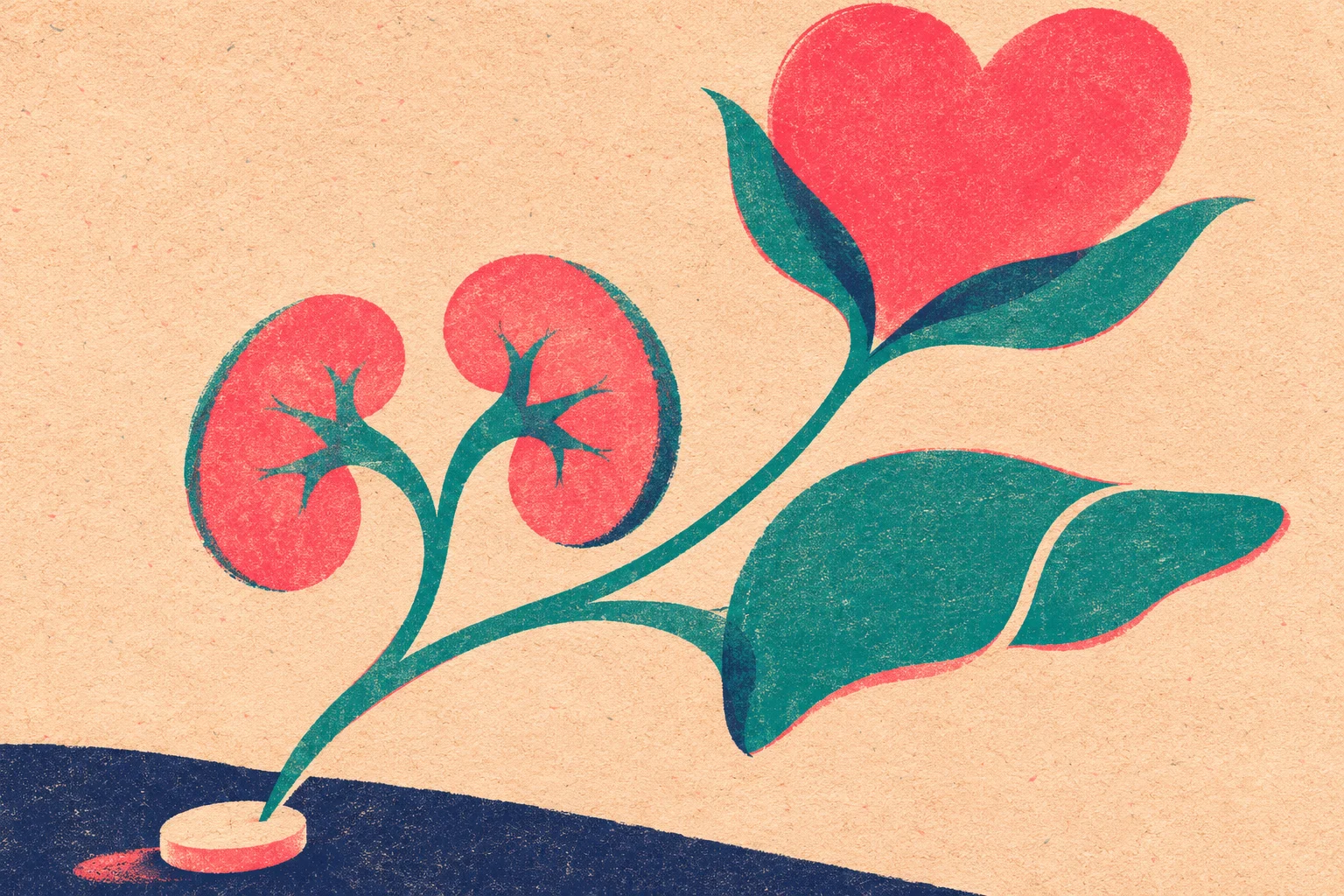
For the doctors, the attraction goes beyond blood sugar. Alavi lists the heart, the kidneys, the liver, sleep apnoea and osteoarthritis among the conditions the drugs help. Professor Rayaz Malik, of Weill Cornell Medicine-Qatar and Hamad Medical Corporation, says losing about 15kg is roughly “the magic number” for reversing diabetes.
The arithmetic of a month
A month of Mounjaro costs about $500 in the United States, £199 ($264) in Britain and 1,261 riyals ($336) in Saudi Arabia. Made locally in India, it costs 14,766 rupees ($157). Imported into Pakistan, it costs 220,000 rupees, or $723. Getz Pharma’s locally made tirzepatide sells there for 17,000 rupees, or $61. Insurers often classify these injections as elective and refuse to pay. So the patient pays, and in the country with the most diabetics the imported drug costs more than anywhere else on the list.
That is where the pill comes in. Locally made oral semaglutide costs about $18 for 30 days. Tablets also need no refrigerator, and in a village without reliable electricity the cold chain decides who gets treated.
What the tablet can and cannot do
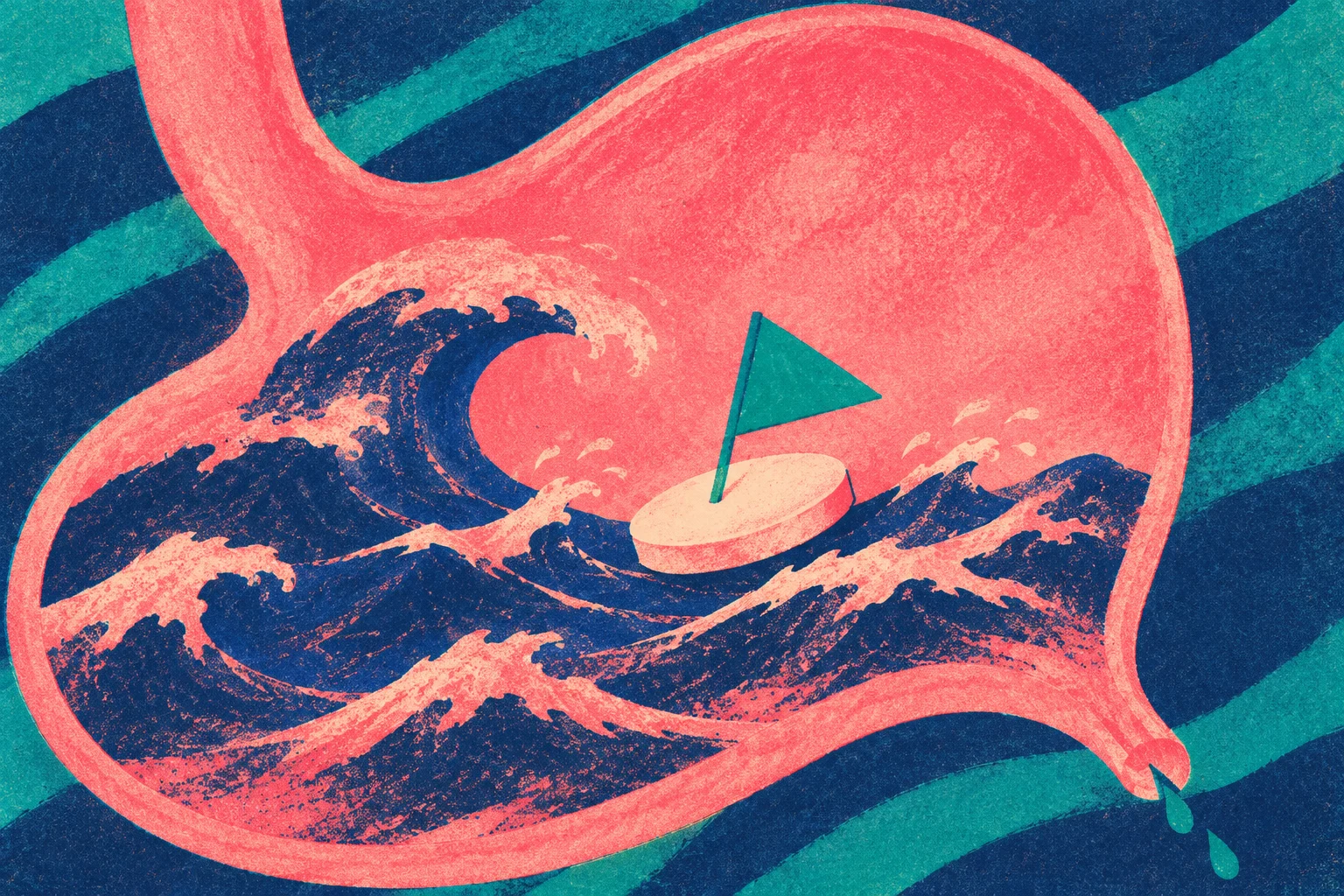
The tablets come with conditions. Oral semaglutide has to survive the stomach, and only a small fraction of each dose gets absorbed, so it is taken at a higher dose and on an empty stomach. Novo Nordisk’s Wegovy pill won FDA approval in December 2025. Lilly’s orforglipron is built differently: it is a small molecule rather than a peptide and can be taken without fasting. The FDA approved it as Foundayo for weight management on April 1, 2026, and Lilly’s announcement put the American self-pay price at $149 a month for the lowest dose. That approval covered obesity, not diabetes. In June the company reported that the drug had delivered superior A1C control and weight loss in three pivotal type 2 diabetes trials, according to its approval record.
The injections still have the strongest evidence for long-term weight loss and heart protection, and few trials have compared pills with injections directly. Malik expects a once-weekly pill soon, and once-monthly formulations are in development.
Who it reaches
South Asia and the Middle East have the most to gain, above all if prices fall once patents expire. India’s key semaglutide patent ran out on 20 March 2026, which opened the way for generics. The drugs also carry risks; one study found the GLP-1 class appears to double the odds of a rare blinding condition, though cases are few.
A reflection, offered as one: the science was done in Copenhagen half a century ago, and the profits are counted in Indianapolis and Denmark. Whether the treatment reaches a patient in Karachi has depended on a refrigerator, an insurer and the end date of a patent. The pill removes the refrigerator. The other two remain.
Malik puts the medical principle simply: “The clever way for treatment is to do what your human body is doing.” The body makes GLP-1 at no charge. Making the drug cheap enough for Pakistan is still unfinished.