
On Monday, 2 November 2026, the New York Times went to the United States District Court for the Southern District of New York and filed suit against a company that makes a web browser. Copyright complaints are usually written in dry legal language. This one borrows its words from the street corner and the pawnshop. Brave Software, the Times alleges, is “the supplier, dealer, and distributor of stolen copyrighted content for its own users and many of the most prominent GenAI companies, including Anthropic, Perplexity, Mistral, xAI, and Cohere,” as Jon Brodkin reported for Ars Technica.
The Times did not go alone. That same day, TechCrunch reported, the Daily News, the Chicago Tribune and the Orlando Sentinel filed a separate but similar suit in the same Manhattan federal court. Four newspapers from three cities, all of them older than the commercial internet, are now in court against an 11-year-old browser company founded in 2015 and known mostly for its promise of privacy.
The burglar and the fence
The Times’s complaint offers a second metaphor, and it is the more revealing one. Brave, it says, “acts both like a burglar that misappropriates the content of publishers, and an AI ‘fence’.” In the trade in stolen goods the fence rarely breaks into anything. He buys from those who do and sells to those who would rather not ask where the goods came from. The complaint casts Brave in both roles at once.
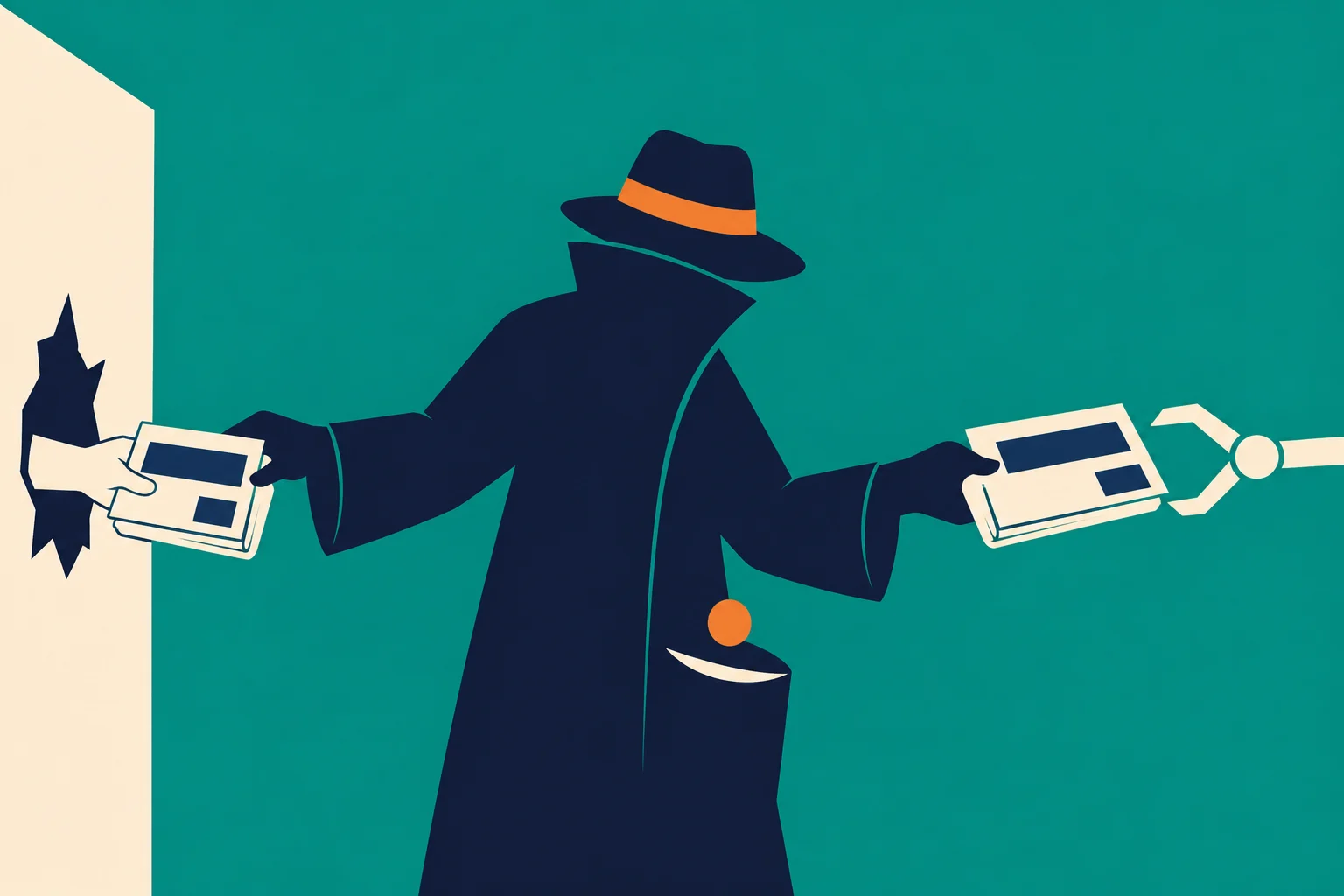
The lawsuit describes a simple arrangement. AI companies pay Brave for real-time online content from the Brave search index. They use that material “to train their own AI models” and “to respond to specific user queries.” To show this, the Times quotes Brave’s own website, which says its Search API is “used by some of the biggest names in AI, including Cohere, Mistral, Perplexity, and You.com.” Brave advertised its customers. The newspapers have turned that advertisement into evidence.
The index itself, according to the suit, covers more than 30 billion web pages. The Times says it was gathered by a crawler that does not identify itself, so publishers had no means of shutting it out. A wall is no use against a visitor who never says who he is.
Then there is the money. Citing third-party revenue estimates, the complaint says “Brave has made more than $100 million by copying and reselling publishers’ work without consent or permission,” while “publishers have received nothing.” The figure is an estimate from outside the company, and the Times presents it that way. Private-market trackers, according to TechCrunch, put the company’s total fundraising at about $250 million.

A setting in the browser
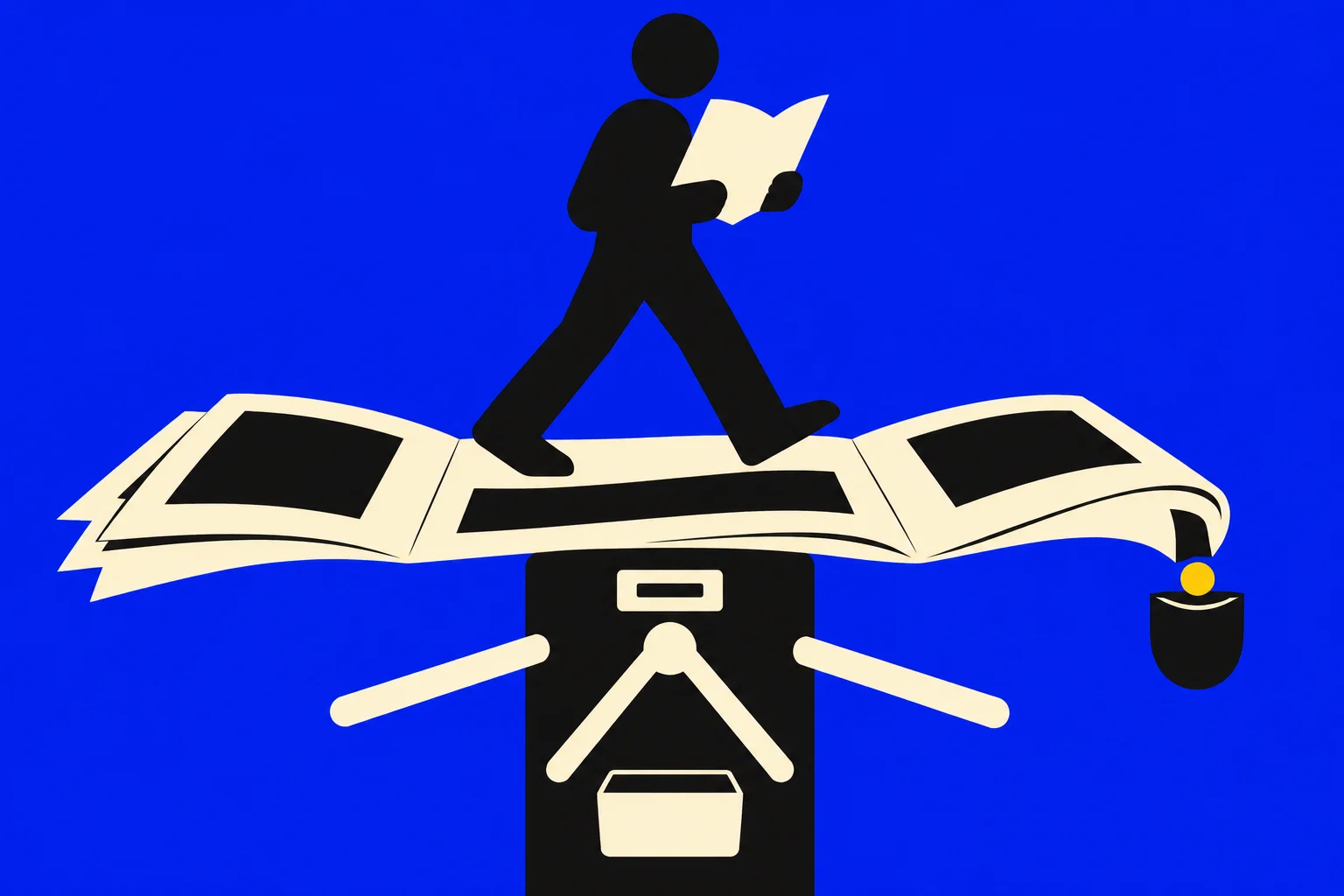
The second front is the browser on an ordinary reader’s screen. “The Brave Browser includes a default setting that, when activated, causes the browser to go behind website paywalls and provide the paywalled content to the user,” the lawsuit says. According to the complaint, the browser also strips out the advertising that would normally appear on the Times’s website and puts Brave’s own ads in its place, “offering its users a cut of the revenue even as it deprives The Times of digital advertising revenue that helps it fund the expensive effort of producing journalism.”
One reflection, offered as nothing more than that. A newspaper’s paywall was never a fortress. It is closer to a turnstile, a request that most readers choose to honour. The complaint describes a company that removed the turnstile, took over the billboards in the station and offered passengers a share of the ad money. The reader pays nothing, Brave earns, and the newsroom that sent a reporter out to get the story receives nothing.
Every count available
The complaint uses every major category of copyright claim. It alleges direct infringement in Brave’s scraping of articles for its search index, for its “Ask Brave” AI search feature and for an API that, in the Times’s words, “serves as an illicit source of unlicensed copyrighted material, including Times journalism, to other AI companies.” It alleges contributory and vicarious infringement, saying Brave “deliberately induces, facilitates, controls, and profits from its users’ and GenAI customers’ copying of the copyrighted content.” And it accuses Brave of breaking the Digital Millennium Copyright Act by circumventing the technological measures the Times and other publishers use to control access to their articles.
The Times is asking for an injunction and damages, though TechCrunch noted that the complaint names no dollar figure. According to Ars Technica, the demand amounts to this: Brave should shut down its paywall blocker and end its deals with AI firms.
No word from Brave
Brave had not answered TechCrunch’s request for comment when the suits were reported. This is not the Times’s first such case. It has previously sued OpenAI and Perplexity on similar grounds, according to TechCrunch. These cases are being fought one company at a time, by newspapers whose lawyers outlast many of the start-ups they sue.
Anthropic, Perplexity, Mistral, xAI and Cohere are named in the Times complaint, but none of them is a defendant. They appear only as the customers who paid for the content.