
$75 million is what skin-derived beauty injections are projected to generate in South Korea this year, according to analysts at Yuanta Securities. Between 60% and 70% of that belongs to one product, Re2O, by the account of its manufacturer, L&C Bio — and its raw material is skin donated by dead Americans. Business Insider traced the supply chain from US tissue banks to Seoul clinics, where these “skin boosters” — the latest generation of an injectable category — sell for a few hundred dollars and are administered at med spas and dermatology clinics in under an hour. At least 10 South Korean biotech companies are making or planning such skin-derived injections, pushed along by social-media before-and-afters showing patients, typically women, going from dull to dewy.
The financials explain the rush. Re2O did the equivalent of more than $17 million in sales in the first half of this year, L&C Bio said, swinging the company to an operating profit of about $11 million against a loss of about $326,000 in the same period last year. It has sold 700,000 units as of September, is available in Singapore and China, is approved in the United Arab Emirates, Peru and Thailand, has added a Re2O Fine line for delicate skin, and plans a human fat-derived filler next year. Its biggest competitor, CellREDM, arrived in late 2025 and lifted its maker Hans Biomed to more than $3 million in operating income in the quarter ended June 30, after barely breaking even a year earlier.
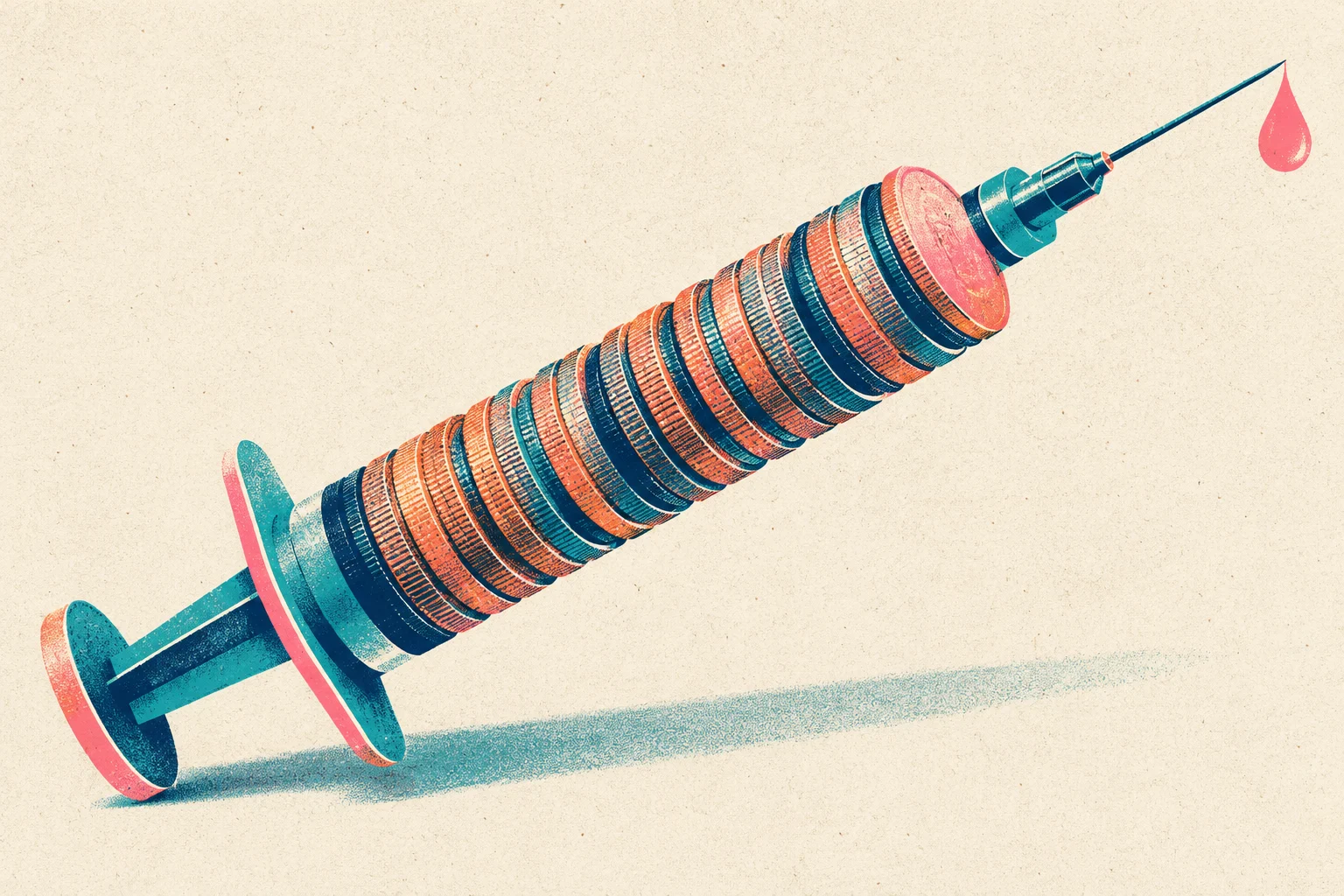
Now the product is pointed back at the country its raw material comes from. Last week L&C Bio said it signed a contract to deliver at least $60 million of Re2O to the US over the next five years, and that it may explore acquiring US tissue banks with its American distribution partner. The regulatory question is unresolved. L&C Bio argues Re2O belongs to a category of products, such as skin grafts, that do not require FDA approval; under the FDA’s framework for human cells and tissues, that lighter regime applies only to products meeting criteria that include “minimal manipulation” and homologous use. The FDA told Business Insider that some products manufacturers claim fit the category do not meet the criteria, and that donor skin “decellularized, dried, and ground into a powder for injection as a cosmetic ‘skin booster’ may raise significant questions” and may require a more complex approval process. The agency declined to discuss specific products under investigation; L&C Bio said it would not comment on its discussions with regulators.

How the skin moves
“In the human tissue business, access to raw materials is the lifeblood of the industry,” L&C Bio founder and CEO Whan Chul Lee said in a February interview with a South Korean outlet. His industry’s lifeblood flows from the US. Roughly 90% of all human tissue used in South Korea is imported, according to the Ministry of Food and Drug Safety; less than 4% of South Korean adults are registered organ donors, and fewer still donate tissue, while well over half of American adults are registered. In the US, cadaver skin is recovered by organ procurement organizations (OPOs) and tissue banks — in the transplant system, skin counts as tissue, not an organ. A nonprofit OPO typically passes recovered tissue to an American tissue bank for a fee covering recovery costs plus a margin that supports the OPO’s other programs; tissue banks, which can be nonprofit or for-profit, then supply Korean biotech firms. Organs, by contrast, are distributed through a public-private partnership with the federal government; tissue moves through ordinary commercial relationships. L&C Bio spent more than $25 million on US donor skin between 2023 and 2025, per corporate filings, and $3.8 million in the first half of this year; about a quarter of its skin supply goes into Re2O. It says it prioritizes supply for therapeutic products such as skin grafts for burn victims.
All the skin in Re2O comes from one supplier, L&C Bio confirmed: Regenerative Biologics, a Florida tissue bank that took in just over $16 million in annual revenue in 2024 and 2025, according to reports filed with a state regulator. CEO Sandy McCann said her bank acts as an intermediary for skin collected by other organizations and provides L&C Bio only skin from donors who consented to international and cosmetic use. If other banks have skin they cannot use, she said, “many times we can place it where someone can.”
What donors consented to
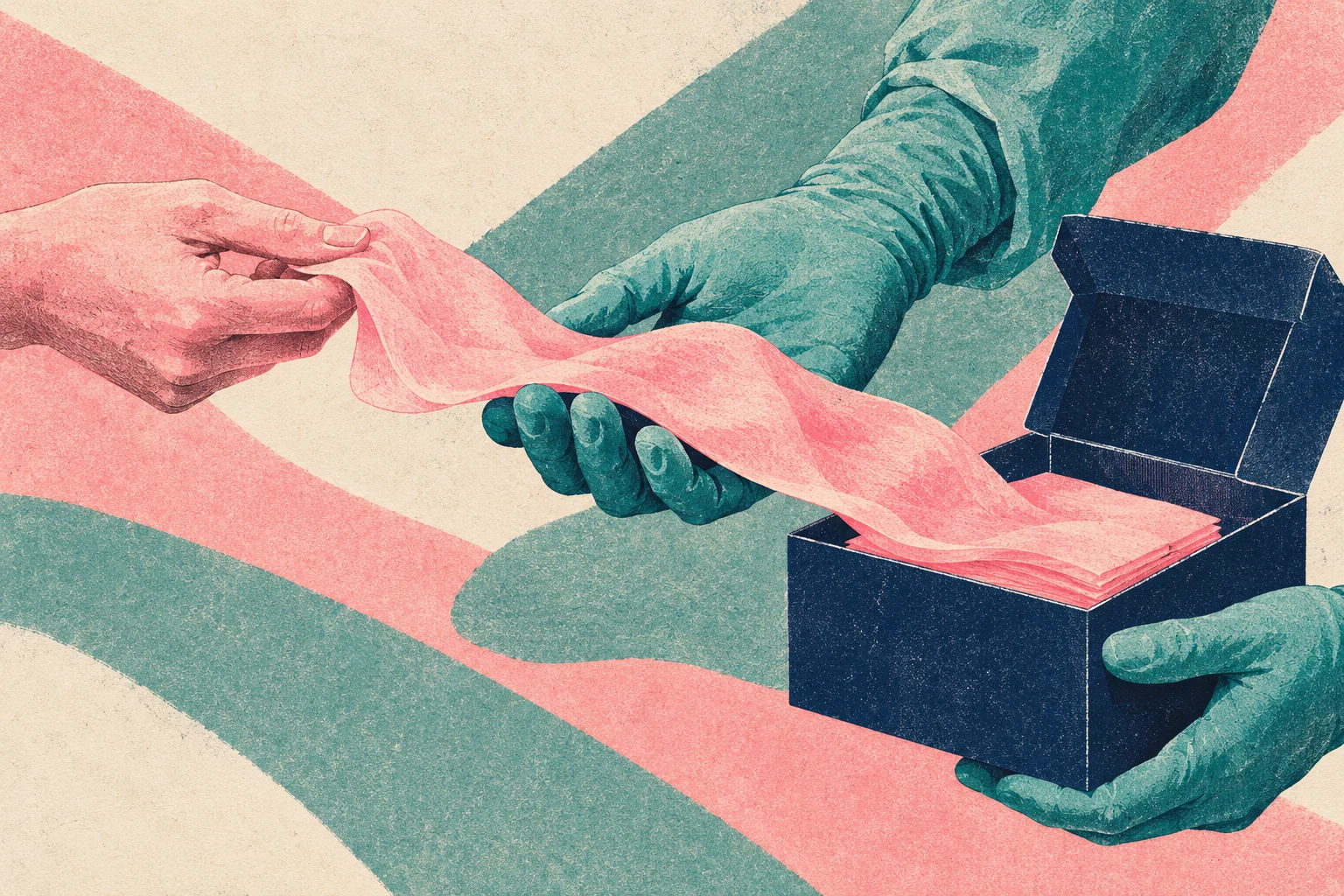
US law bars paying donors or their families for organs or tissue; it does not bar everyone downstream from making money. A study in the medical journal Transplantation found that revenue from tissue, primarily skin and bone, drove 93% of American OPO profits between 2013 and 2017 — about $107 million per year across 51 OPOs. The Association of Organ Procurement Organizations called the study outdated, objected to the word “profit,” and said the money funds other life-saving work. “Reimbursed funds go directly back into the organization, supporting organ procurement as well as aftercare programs for donor families such as bereavement support and grief counseling,” spokesperson Jenny Daigle said, adding that organizations need margins and reserves to stay stable, and that donated tissue helps millions of Americans each year — skin for burn victims, bone for cancer survivors, eyes for the visually impaired. The discomfort is older than skin boosters. Jerold Mande, who helped write the National Organ Transplant Act in the 1980s, told Business Insider that in a system built on altruism, money changing hands could affect public trust. “People who donate tissue have no idea of how much money is changing hands in the course of all of this,” said Ana Iltis, a Wake Forest professor and former president of the American Society for Bioethics and Humanities. “With tissue donation, there’s a lot of money at stake.”
Data on what donors think is thin, and what exists is old: a 2010 survey of more than 1,000 US donor families found less than 30% thought it acceptable for donated tissue to be processed and distributed by for-profit companies. Each year tens of thousands of Americans donate tissue, generally by checking a box at a motor vehicle department or through a loved one’s authorization.
The arithmetic now runs in both directions. American donors supply the raw material; Korean manufacturers have built a category worth a projected $75 million a year at home on top of it; and the market leader has a $60 million contract to sell the finished product back into the US, pending a classification fight it may lose. The number that decides the launch is not a sales figure: it is whether the FDA concludes that a decellularized, powdered, injected donor-skin cosmetic still qualifies as an ordinary tissue product — or starts asking for the approval filings that take years.