
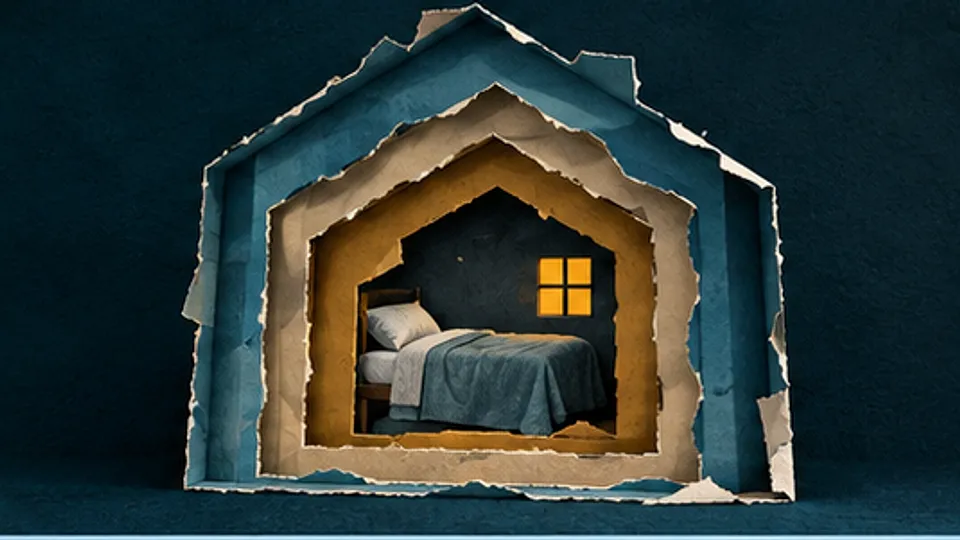
Hakim Mar’i spends his days lying on a single bed, his disfigured leg raised. He cannot work. There is no money for electricity, and so the windows of the apartment — his latest temporary shelter, as Al Jazeera describes it — are covered with old blankets. At night his family lives in near darkness.
The apartment stands around the corner from mounds of rubble and gnarled iron that mark one entrance to the Tulkarem refugee camp. The camp is emptied now. The rubble is what remains of it.
For Mar’i and for other Palestinians, the camp was a home once considered temporary. Whatever temporary was supposed to mean, generations lived there. Now the physical structure — the home that tied his family together over the years — is gone.
What emptied it has a name and dates. In January 2025, days after a temporary ceasefire was announced in Gaza, Israel opened a military operation across the Jenin, Tulkarem and Nur Shams refugee camps, according to Human Rights Watch, which calls what followed the forced displacement of the camps’ residents. Al Jazeera reported this month on a United Nations account of the offensive — Operation Iron Wall — that counted 102 Palestinians killed and more than 33,000 displaced from the three camps, and raised what it called ethnic-cleansing concerns.
By the UN’s figures, 36 percent of the structures in Tulkarem camp had been destroyed or damaged by October 2025; in Jenin the figure was 52 percent; in Nur Shams, 48. The three camps are among nineteen in the West Bank established to shelter families already made refugees generations before.
It has been more than twenty months since the offensive began, Al Jazeera notes, across a northern West Bank where displaced families sink deeper into debt and poverty. Elsewhere in the occupied territory, in other seasons, the lines keep moving.
Temporary was the word for the camp, and generations lived there anyway. Temporary is the word for the apartment with the blankets at the windows. At night it is dark.