
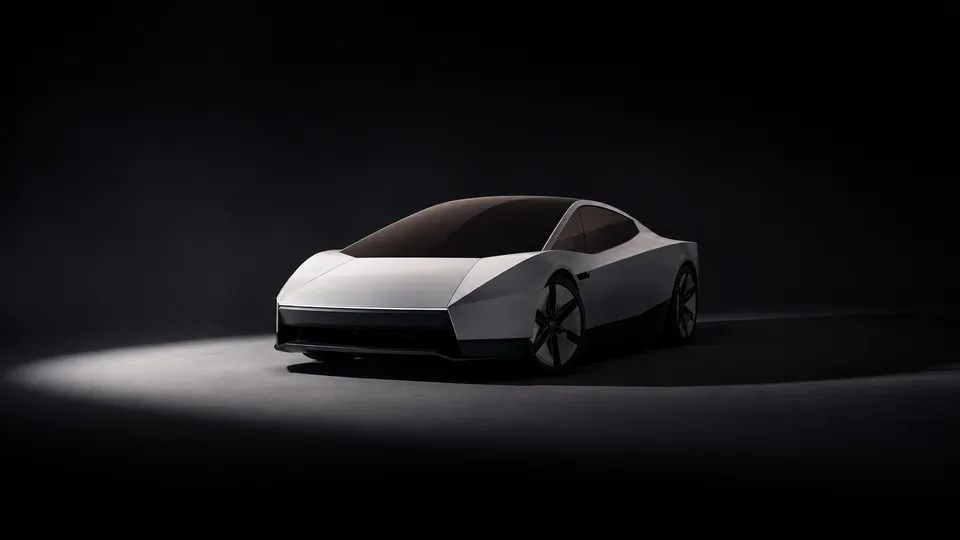
Zero to 60 mph in 0.8 seconds works out to an average acceleration of 33.5 m/s², or about 3.4 g, sustained over roughly 11 metres of pavement. That is the number Elon Musk is now attaching to the second coming of the Tesla Roadster, along with a claimed top speed of 383 mph (616 km/h). Both figures are claims, not measurements: as Jonathan M. Gitlin reports at Ars Technica, the reveal was a California showbiz event, nine years after the first attempt to resurrect the Roadster, and the last such event in this genre was a Hollywood back-lot demo of a remote-controlled Cybercab — a program whose real-world debut rews covered as a rocky first month in Austin.
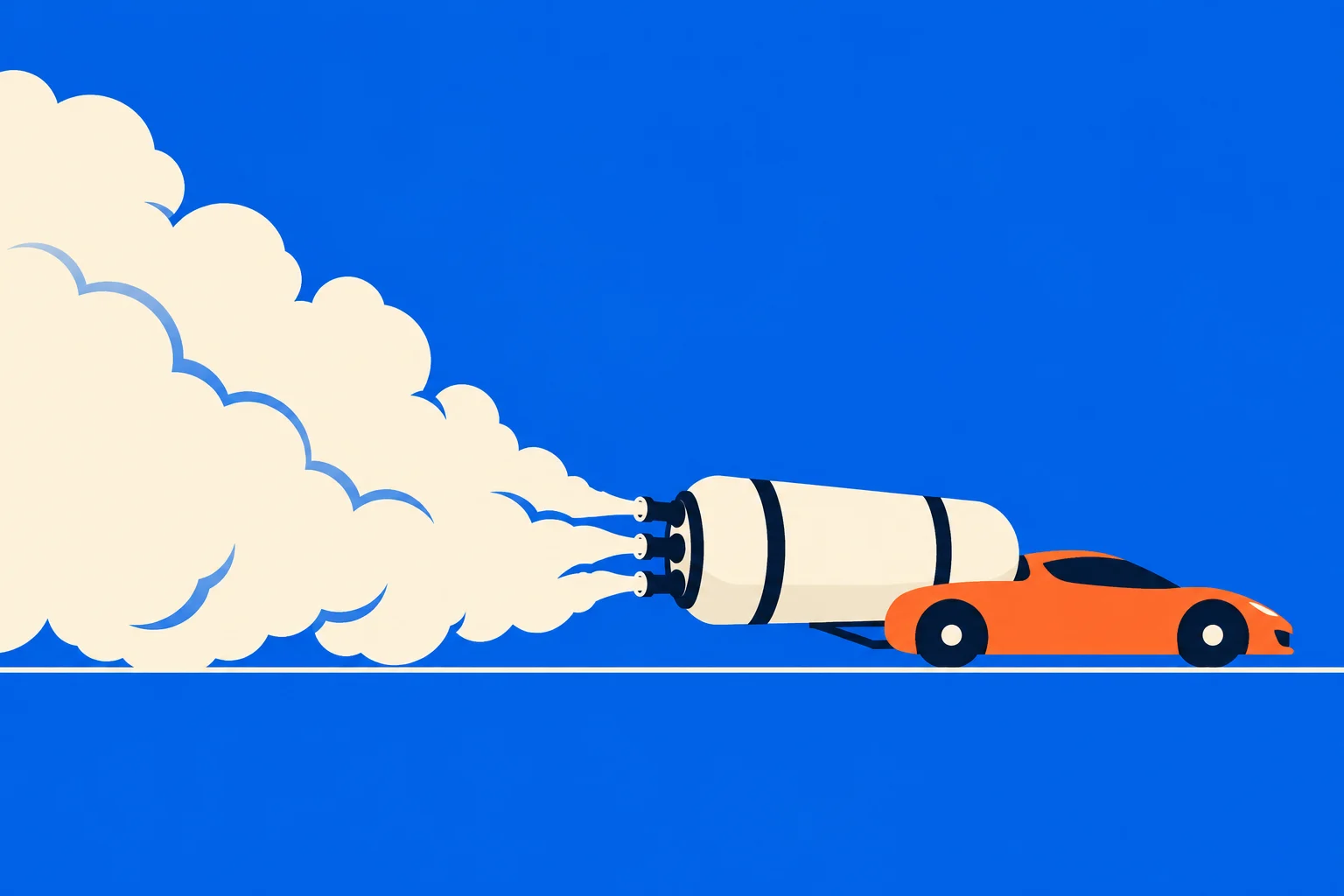
The mechanism for the acceleration claim sits at the back of the car, where four large pipes vent what Tesla says are jets of compressed nitrogen at 100,000 psi. Cold-gas thrusters are decades-old stunt technology — a good way to make a car spin in the air, which is what they have historically been for. Whether they are a good way to make a car road-legal is an open question: Gitlin notes that a morning spent in the Federal Motor Vehicle Safety Standards did not turn up a section explaining when it is legal to use such a thing on the road. 100,000 psi is also not a trivial engineering number; it is several times the storage pressure of a hydrogen fuel-cell tank, and the car has to carry that somewhere.
What the car is, underneath the claims
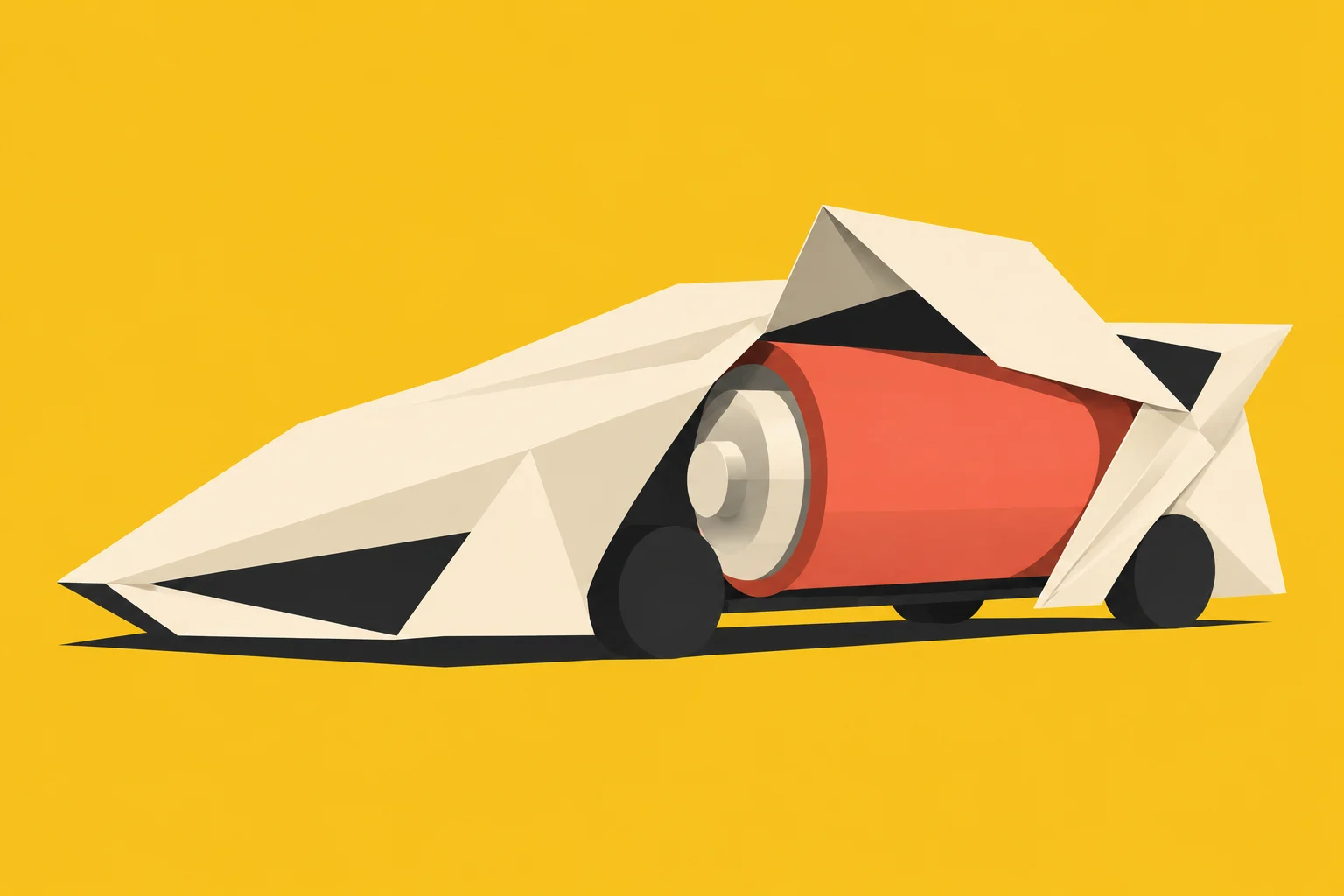
Tesla says the new Roadster is rear-wheel drive, an unusual choice for a car claiming three-plus g of longitudinal acceleration, since rear-wheel drive is the layout least able to put power down from a standing start. The battery uses the 4680 cells Tesla has spent years trying to scale in-house; in the Model Y, those cells drew customer complaints about performance, and the company says it developed a special battery chemistry just for this model. That is presented as a feature. It also reads as an acknowledgment that the off-the-shelf 4680 program has not delivered what was promised for it.
The styling is angular and wedge-shaped, and the debts are visible: Giorgetto Giugiaro’s original Lotus Esprit — Musk owns the James Bond submarine prop car from The Spy Who Loved Me — and, more recently, the Lamborghini Gallardo. The four exhaust pipes do not indicate a return to hydrocarbons.
The comparison that matters is not aesthetic. Gitlin points out that, as in 2017, there are already EVs on sale that exceed Tesla’s vaporware claims. The McMurtry Spéirling, a fan car that generates its downforce electrically, is capable of up to 3.5 lateral g; the best Tesla claims for the new Roadster is 2 g. And the Spéirling, thanks to that fan, will drive upside down, which answers the question of whether its grip figures survive scrutiny better than a press release.
For the headline claims to hold, two things would have to be true that the record has not yet shown: that a 100,000-psi compressed-gas system can be certified for road use, and that the car itself ships in something close to the form shown. The first Roadster resurrection was announced nine years ago and its depositors are still waiting. The number to watch is not the 0.8 seconds; it is the production date, whenever Tesla commits to one in writing.