
Sudan has filed complaints against Ethiopia with the UN Security Council and the African Union, accusing it of letting the Rapid Support Forces launch drone strikes from Ethiopian territory, the Foreign Ministry said late Sunday.
In a statement, the ministry said the paramilitary group had used Ethiopian soil for “brazen aggression” against “civilian sites and power stations,” killing or wounding hundreds of people and cutting essential services, Al Jazeera reported. The attacks, it said, “places Ethiopia before international law.” The second complaint went to the African Union’s Peace and Security Council.
The army-led Transitional Sovereignty Council counted 70 attacks using 187 one-way attack drones between Feb. 15 and Oct. 27. It put the civilian toll at 484 killed or wounded and said 176 soldiers had been killed and 200 wounded. October was the heaviest month, with 28 attacks and 97 drones.
“Since February 2026, armed drones have taken off from Ethiopian soil … to strike Sudanese cities and civilians,” the council said. It named three launch sites: Asosa Airport in western Ethiopia, the Kurmuk-Gizen border area and the Bahir Dar air base in the Amhara region.
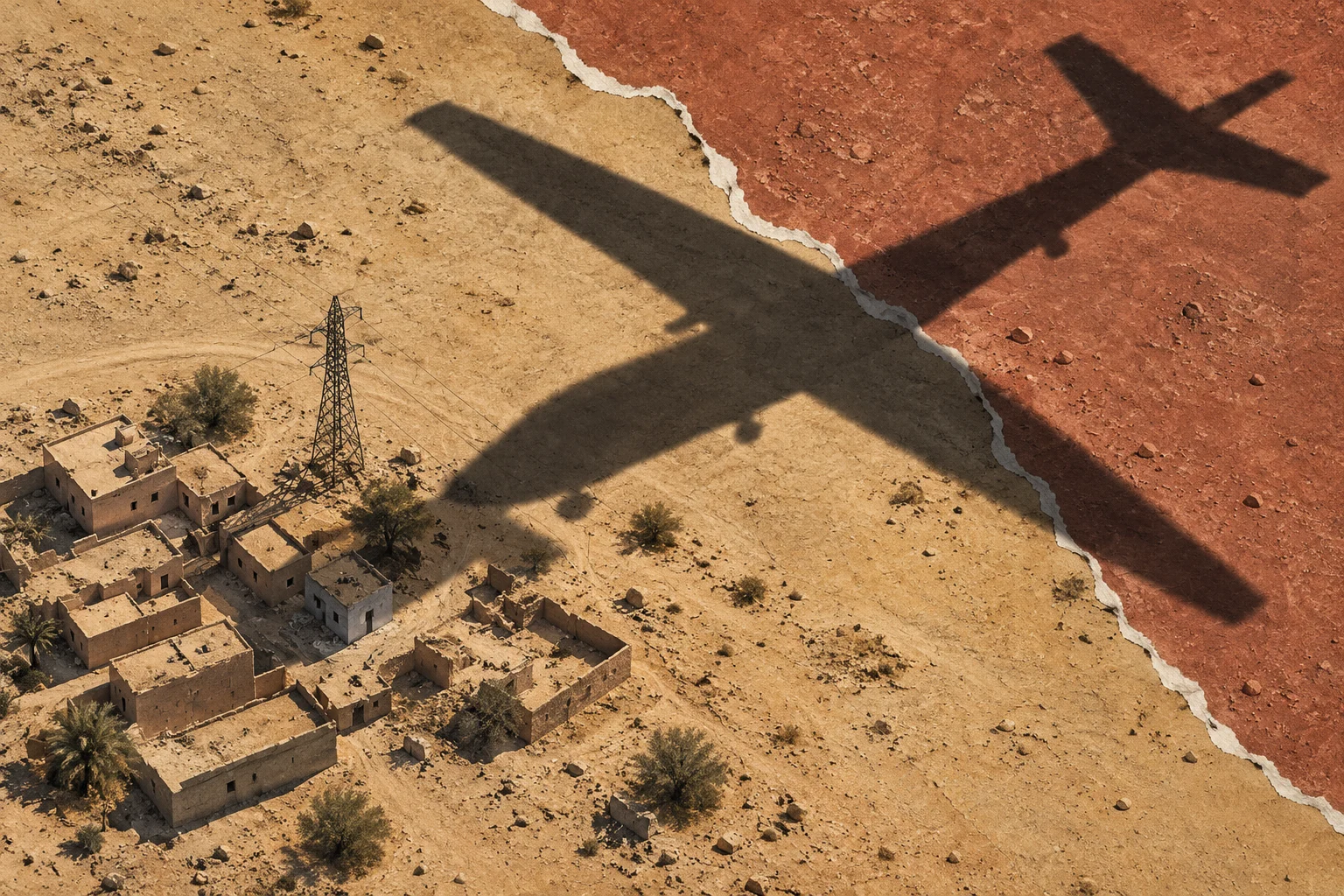
The deadliest strike it listed came on Oct. 9, when drones hit displaced families in Wad el-Mahi, in Blue Nile State near the Ethiopian border. Thirty civilians were killed, 26 women and four children, and 100 were wounded, according to the council.
Sudan’s military has been at war with the RSF since April 2023 and has accused Ethiopia of helping the group before. Ethiopia, for its part, has accused the Sudanese army of backing rebels linked to the Tigray People’s Liberation Front. Khartoum denies it. It was not clear whether Addis Ababa had responded to the new complaints.
The United Nations has not pinned the drone war on one side. On Saturday, a spokesman for Secretary General António Guterres said he was “appalled” by the toll of the strikes, days after an attack on a market in RSF-held Darfur killed more than 100 people. Mr. Guterres “strongly condemns the escalating drone attacks in Sudan by the parties to the conflict,” the spokesman said, calling them violations of international humanitarian law. Drones and air strikes have also hit aid convoys, including a UN food truck in South Kordofan last month.

Aid workers estimate the war has killed up to 200,000 people. About 13 million have been driven from their homes, and parts of the country have slid into famine.
The food is running thinner. On Oct. 22, the World Food Program said funding gaps had forced it to cut monthly rations for displaced people, affecting about 900,000 of them. The agency says 19.5 million Sudanese face acute hunger, 5 million at emergency levels, with famine risk concentrated in Greater Darfur and Greater Kordofan. A joint statement released by the U.S. State Department on Oct. 27 cited a warning from the Integrated Food Security Phase Classification of famine risk in the coming months and said “Sudan is experiencing an alarming deterioration in its food security.”
In Port Sudan, Aisha Adam, 50, lives in a tent at the al-Iskan displacement camp with her orphaned grandson and her nephew, Al Jazeera reported in a feature. She fled gunfire in Khartoum’s al-Kalakla neighborhood days after the war began, then fighting pushed her out of Omdurman too. In six months she has received aid three times: 550,000 Sudanese pounds, about $59.13, in cash, 12 kilograms of flour and hygiene supplies.

“The aid we receive has decreased significantly, so I had to try to find work to avoid starving to death,” she said. Two of her sons are missing. She sells zalabia, a fried pastry, along with tea and coffee at a market, and some days she loses money. She has stopped buying meat. Lentils cost 16,000 pounds, about $1.72, a kilogram.
“The important thing is that we eat, even if it is only lentils and water, with nothing else,” Ms. Adam said. Her greatest fear, she said, is illness, because there is no money for treatment.
At the al-Suraiha 8 camp in al-Obeid, the supervisor, Esraa Mohammed, said 450 displaced people were registered and 40 more had arrived without being registered yet. Rations include about 400 milliliters of cooking oil and 250 grams of peas a person, and they don’t last the month. “There are 100 children in the camp, 30 of whom are suffering from severe acute malnutrition,” Ms. Mohammed said. New arrivals from South Kordofan told her they had eaten tree leaves on the way.
Ahmed Ismail, a humanitarian expert, said needs far outstrip the help on offer and warned that more cuts and access limits could widen the damage. “Denying the severity of conditions in some areas did not change the reality of the suffering experienced by civilians,” Mr. Ismail said.