
The house had no furniture in it. When Dilshad Hamdo walked back into the home his father had built thirty years earlier in Afrin, in northwestern Syria, the stone walls stood as they were meant to stand, but the rooms behind them had been stripped bare — emptied down to the floor, with nowhere left to sit. He stood in the vacancy anyway, Al Jazeera reports, and what he felt there, strongly, was relief.
I have a lot of memories in this house with my extended family. There is nothing like the house and the land.
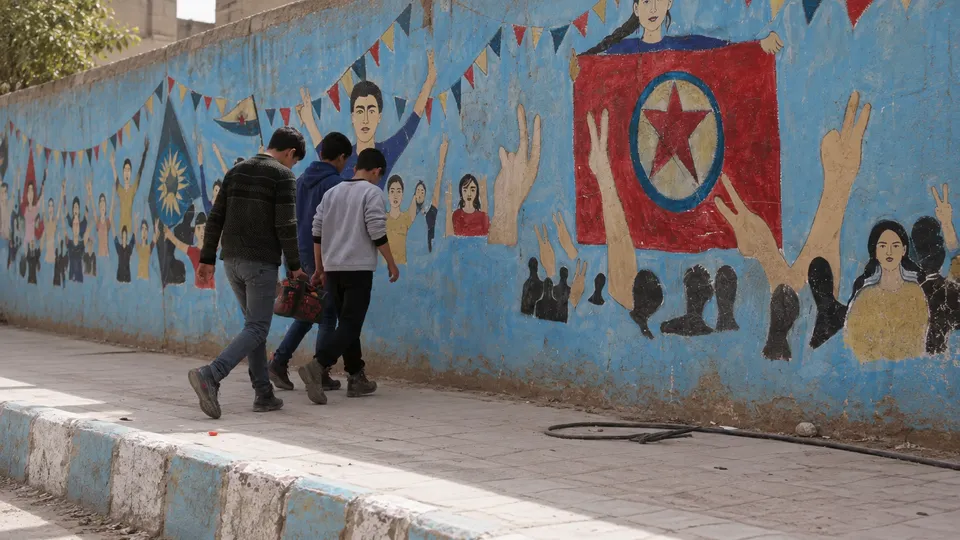
Hamdo is one of the Kurdish families now returning to Afrin, a Kurdish-majority enclave hard against the Turkish border, years after its people fled into exile. The exodus dates to 2018, when Turkish forces and allied Syrian factions seized the region in the offensive known as Operation Olive Branch; a field report by the Middle East Forum describes how the operation drove the widespread displacement of Afrin’s Kurdish population and a lasting shift in who lived there. The traffic has reversed since the fall of the Assad government: according to Syria Direct, Kurdish families began making their way back in the spring of 2025, while others held off, waiting for guarantees that have yet to arrive.
What the returnees find varies, and the welcomes are, in Al Jazeera’s telling, sharply divided — some families arriving to warmth, others to exactly what Hamdo found. The documentation fits a pattern assembled by Syrians for Truth and Justice, which has recorded looted homes, extortion and abuses against Kurds returning after the regime’s fall. The exiles come back to houses that are theirs by memory and by deed and by nothing else left inside them. Hamdo’s father built his of stone, thirty years ago. Stone keeps. The rooms are empty, the floors hold no chair, but the walls are there, and so, now, is he.