
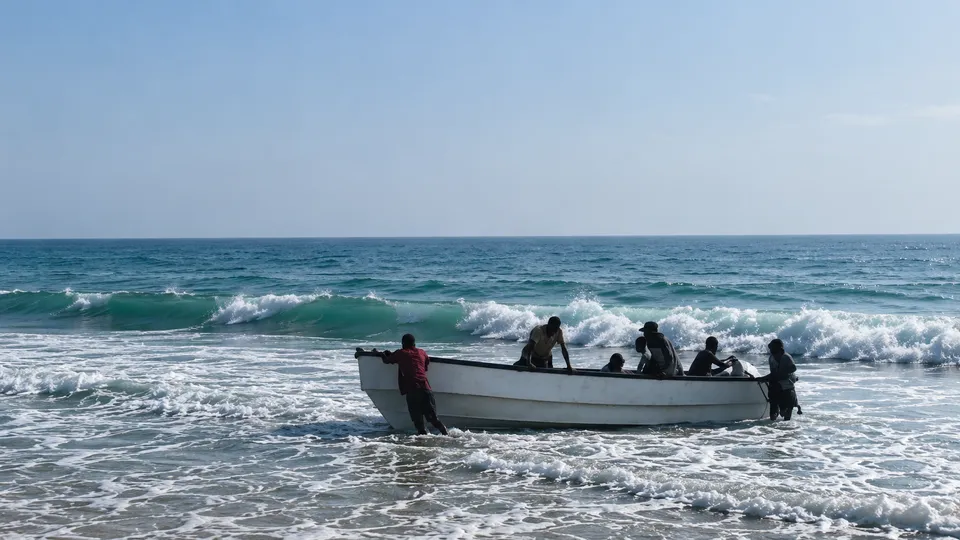
Fishermen in Bander Beyla, a town on Somalia’s Puntland coast where hijacked ships have been held, say a piracy crackdown kept them ashore from late August until Oct. 1 and has left them under military surveillance.
Local authorities ordered fishermen off the water in the last week of August, saying pirates were disguising themselves as fishermen, and set the ban to run for two months, residents told Mohamed Gabobe of Al Jazeera. Dozens of people were arrested, most of them for bringing food or khat to pirates on ships anchored nearby, and shops were told that anyone who sold to pirates would be treated as one.
“Our families depend on what we catch at sea,” said Abdifatah Mohamed, 35, who has fished off the coast since he was 15. “But it’s like we were being punished for crimes we have nothing to do with, and our families have suffered for it.”
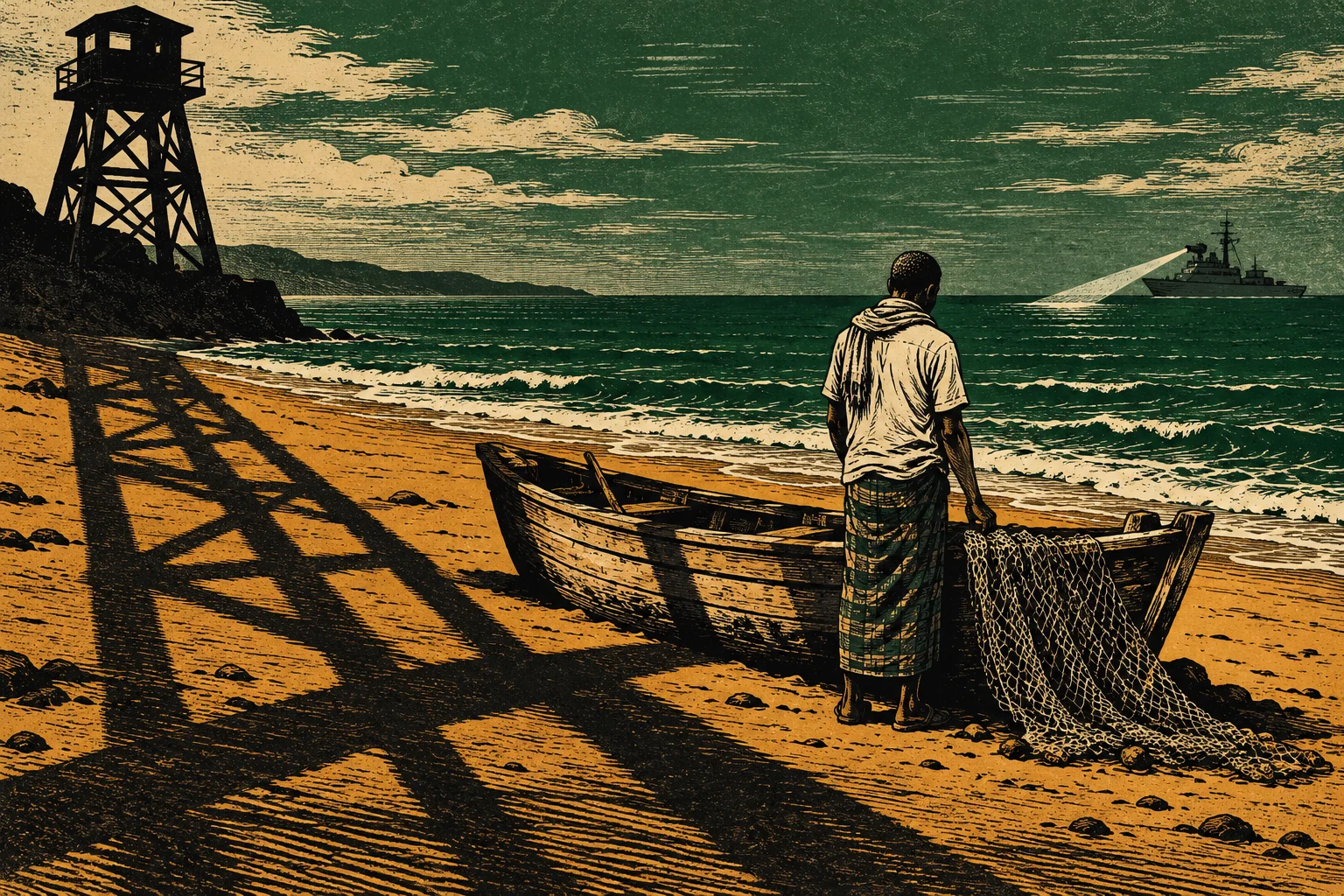
Mr. Mohamed said going out had become dangerous whether a fisherman obeyed the order or not. Ashore, the authorities could accuse him of piracy or of running supplies to the hijacked ships. At sea, he said, international navies could take him for a pirate. “Taken away to a jail in a foreign land,” he said. “It’s happened to a lot of men from this town.”
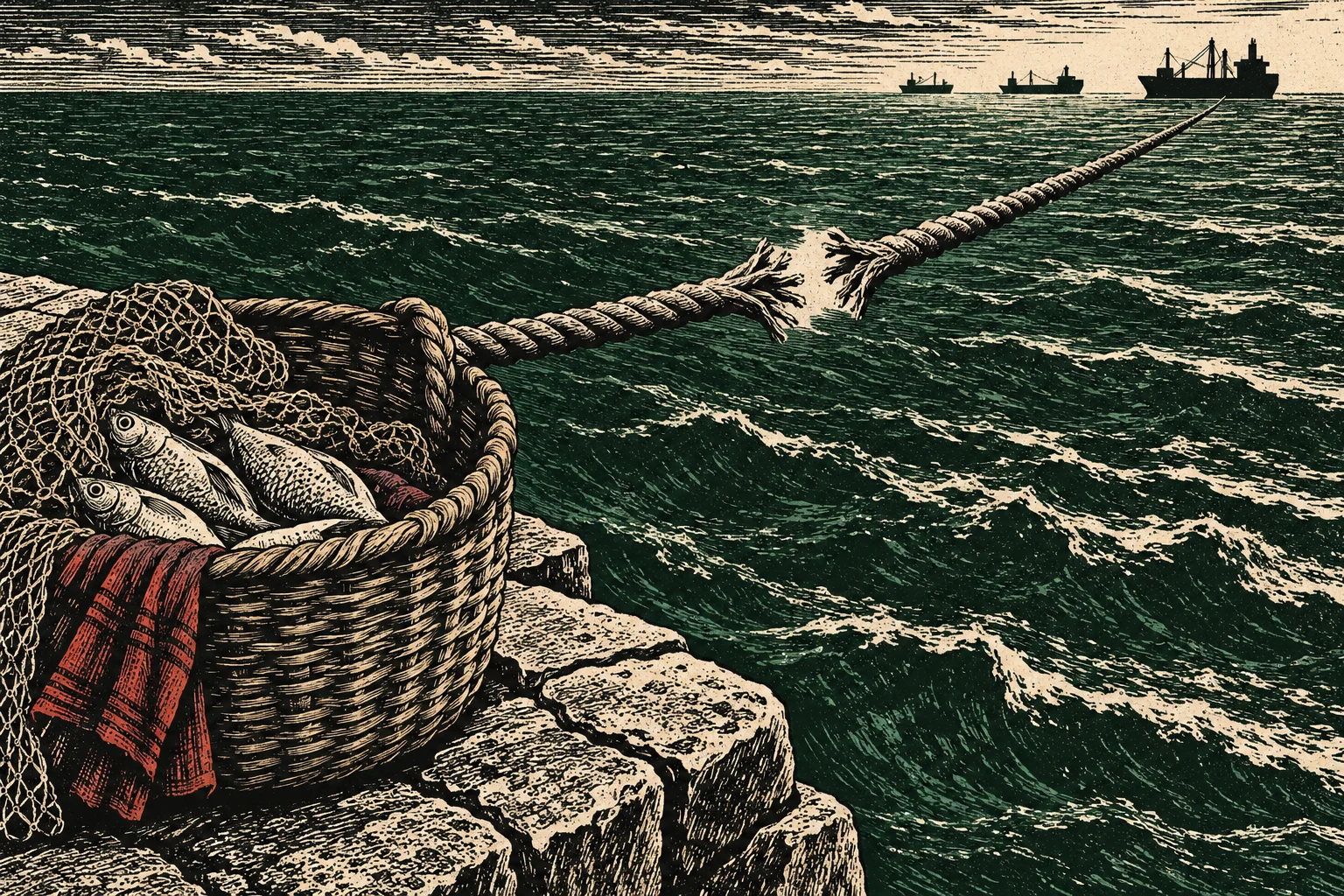
His catches were already shrinking. He blamed foreign trawlers, which have worked Somali waters since the central government collapsed in 1991 and left the coast largely unpoliced. “Foreign trawlers are emptying out the seas,” he said. Some fishermen angered by those vessels turned to piracy.
Some of the current hijackers are local. “Some of the pirates involved in the hijackings are from Bander Bayla and hail from this community,” said Abdirizak Said, who has fished there for 15 years. He said the boats that once carried supplies from Yemen had stopped coming because of the attacks.
Two local officials, who spoke on condition of anonymity because they were not authorized to talk to the press, said the ban was meant to cut off the town’s support networks for the pirates. “The security restrictions were lifted on October 1 after successful anti-piracy operations led to the release of three ships,” one of them said.
The International Maritime Organization confirmed on Oct. 2 that the Honour 25, the Seamull, also called the Sibu 1, and the Eureka had been freed, with 44 seafarers released. Five crew members died in the Honour 25 operation, which took place on Sept. 29, according to the IMO. The agency said 22 seafarers were still held aboard a fourth vessel, the Asana.
The European Union Naval Force said in an update that the Puntland Maritime Police Force carried out the Honour 25 raid, which also left two crew members injured, and that 21 suspected pirates were arrested in connection with the Sibu 1, Somali outlet FTL Somalia reported. The Eureka had been seized on May 2 off Qana Port in Yemen, and its hijackers abandoned it as Puntland forces approached, Safety4Sea reported.
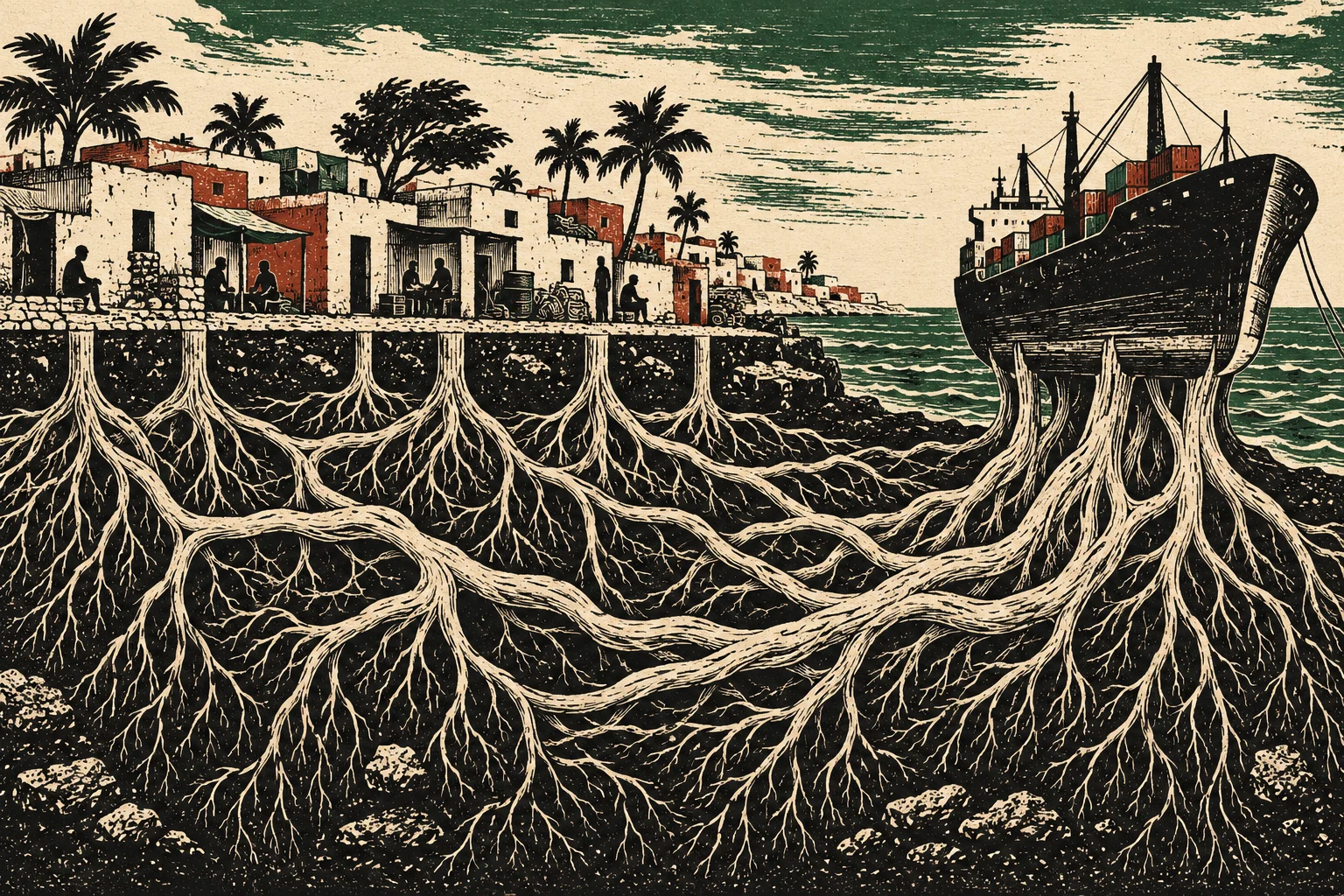
Jethro Norman, a senior researcher at the Danish Institute for International Studies, said piracy relies on clan ties on land for credit, equipment, recruits and protection. “Kinship networks can effectively function as a form of financial and social infrastructure, and for piracy, this is no different,” he said.
Mr. Norman said the Puntland police force had been stretched by its fight against the Islamic State in the Al-Miskad mountains, and had lost some members who joined the 2023 rebellion against Somaliland in Las Anod. Abdinur Abdella, a Somali security analyst, said international navies shifted their attention to the Houthis after the group began attacking ships in the Red Sea and Gulf of Aden in late 2023, and that armed groups on the Somali coast took advantage.
Residents have made their own attempts to stop the attacks. Mr. Mohamed said townspeople recently talked armed young men out of heading to sea. “It was civilians that took the initiative to stop them and not the government,” he said.
The two officials said European naval helicopters still fly over the town, and more often over remote stretches of coast nearby. “They’re looking for any movements of armed individuals on the coast,” one said.
Mr. Said said he hears them. “The louder it gets, the closer they are, so we know they’re watching,” he said. “I just want to make a living without worrying whether I’ll make it back to shore safely.”