
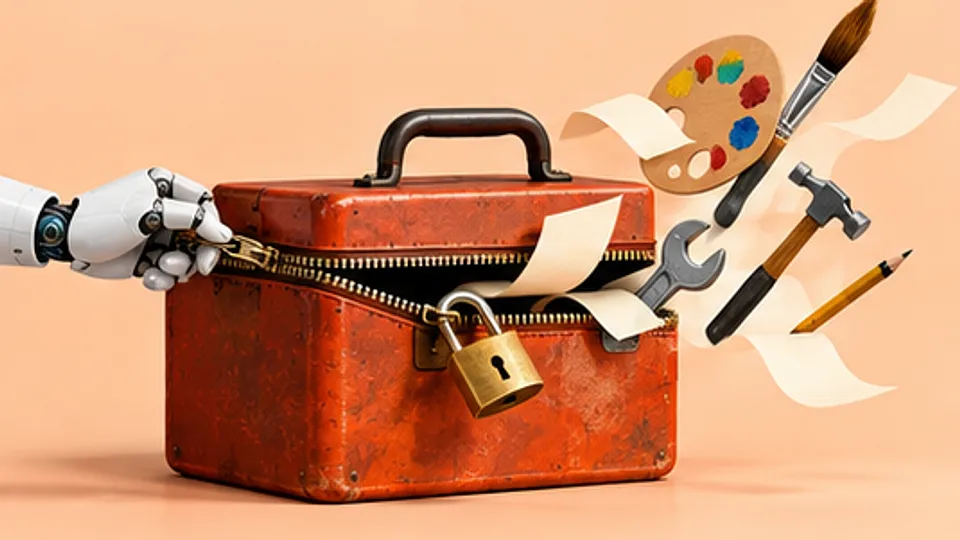
There was a time, not long ago, when writing software was a craft that took guilds of engineers years, and the guilds charged accordingly. Adobe charges monthly, forever, and penalises those who try to leave. Then a man in front of a Reddit page announced that a machine had done the guild’s work for him, and that he was giving it away.
Last week, as Al Jazeera reported, a Reddit user named Brandon Thomas shared a project he called ArtCraft — essentially a free rebuild of the Adobe Creative Suite, the bundle of programmes that includes Photoshop and Adobe PDF. His recreated services carry plainly insurgent names: PhotoCraft, PdfCraft. The project, the broadcaster noted, is part of a widening habit among the AI generation — replicating paid desktop and mobile applications with free ones, and thereby threatening the whole economic model of legacy software.
The ambition is larger than one program. According to PetaPixel, Thomas’s ArtCraft banner now covers free, open-source recreations of seven of Adobe’s best-known applications — Photoshop, Illustrator, Premiere, Lightroom, After Effects, InDesign and Acrobat Pro — available for macOS, Windows and Linux alike. And the mason behind this cathedral of code is not entirely human: the suite, Ground News’s account of the announcement added, was built in the Rust programming language using Anthropic’s Claude Opus 5.5 model.
Thomas gave his project a provocation for a title — “Software is over” — and, by the account aggregated on the Reddit thread where the news travelled, the grievance that moved him was an homely one: the frustration of cancellation fees, the small tax Adobe levies on departures from its subscriptions. Revolutions in technology rarely begin with philosophy. They begin with an invoice.
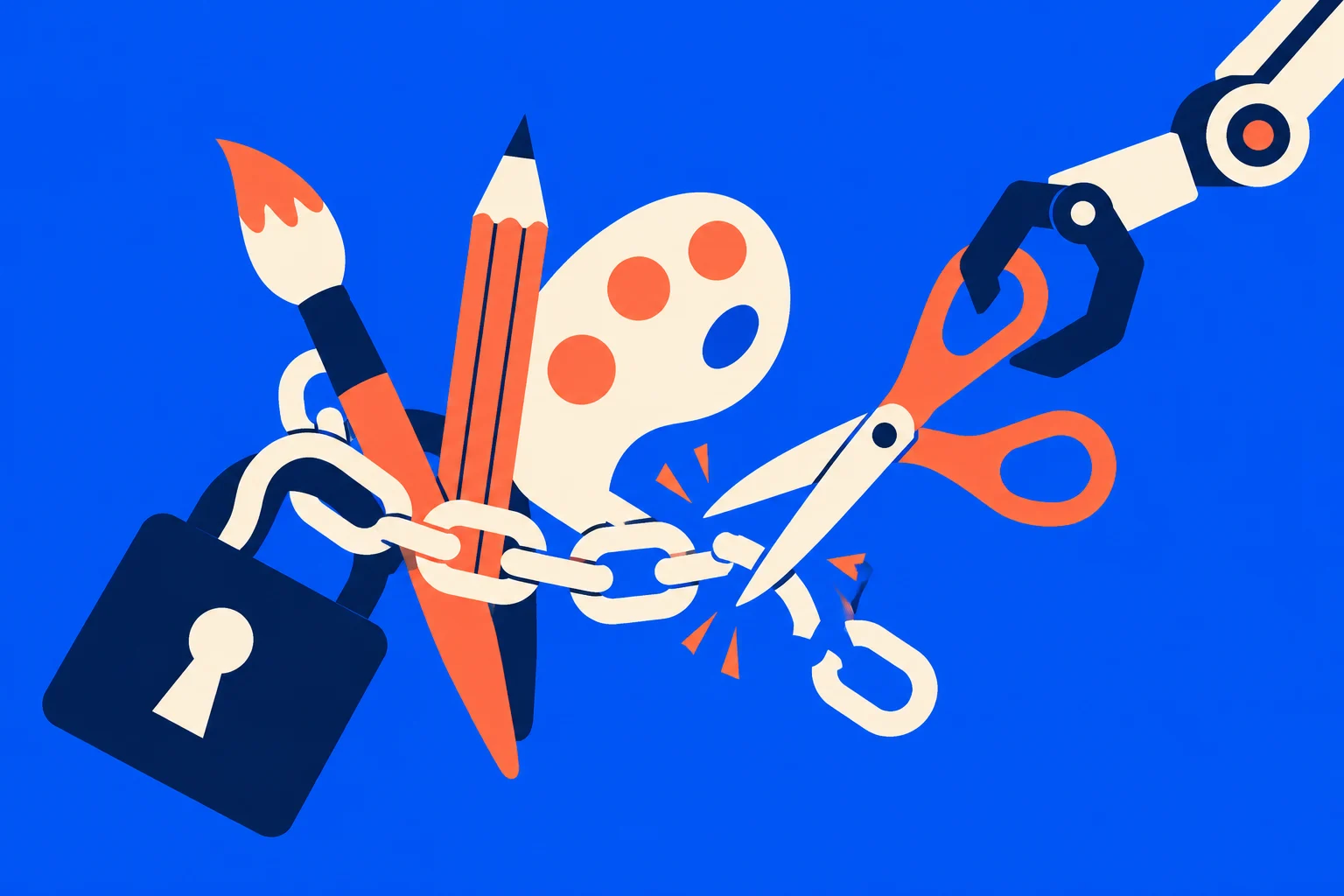
The claims came fast, and then came the retractions, as they always do. TweakTown reported that Thomas initially promised 100 percent feature parity with Adobe’s suite within a month, before moderating that on Hacker News to 99 percent within months rather than years. PhotoCraft’s own development roadmap puts its current functionality at roughly 25 to 35 percent of what a professional would need. A quarter to a third of the castle, then — but a quarter to a third built almost overnight, at a cost approaching zero.
As for how such generosity is financed, the answer is quietly elegant: Thomas’s existing business selling tokens for AI image and video generation covers the development costs, so the free tools depend on neither donations nor a community fundraiser to survive. The machine pays for the machine’s gifts.
What the legacy giants sold was never only the software. It was the scarcity of the skill that made the software — a scarcity that held for forty years and appears to have expired in an afternoon. Whether ArtCraft matures or collapses beneath its own promises, the question it has put on the table will not be easily put away: if the code is nearly free, what, exactly, was the subscription buying? Adobe has not yet been obliged to answer. The queue of Brandons is just beginning to form.