
The Senate on Wednesday blocked a bill that would have pushed state regulators to consider making data centers and other large electricity users pay for the power infrastructure built to serve them, leaving the fight over rising utility bills to Congress unresolved.
The vote was 57 to 43, three short of the 60 needed to overcome a filibuster, the Senate’s procedural hurdle that can stall a bill indefinitely. The measure, called the Ratepayer Protection Act, had passed the House 417 to 3 earlier this month, according to NBC News.
The bill’s defeat came down to how far it went. Democrats said it lacked teeth and pressed instead for mandatory measures to address soaring electricity bills, arguing that merely asking regulators to consider the costs was not enough. Senator Jon Husted, the Ohio Republican who led the bill, had urged Democrats to let it through. “All they have to do is not block it, vote for it, and it will be on the president’s desk, and we will have a bipartisan win,” he said on Tuesday, NBC News reported.
Four Democrats broke with their party to support the bill: Senators Jon Ossoff and Raphael Warnock of Georgia, Maggie Hassan of New Hampshire and Amy Klobuchar of Minnesota, according to The Hill. Mr. Ossoff faces a tight re-election race in November, and Ms. Klobuchar is running for governor of Minnesota.
Republicans faulted Democrats for the outcome. Senator Kevin Cramer of North Dakota criticized the blockade in a social media post, arguing the bill would have protected households in his state, Valley News Live reported.
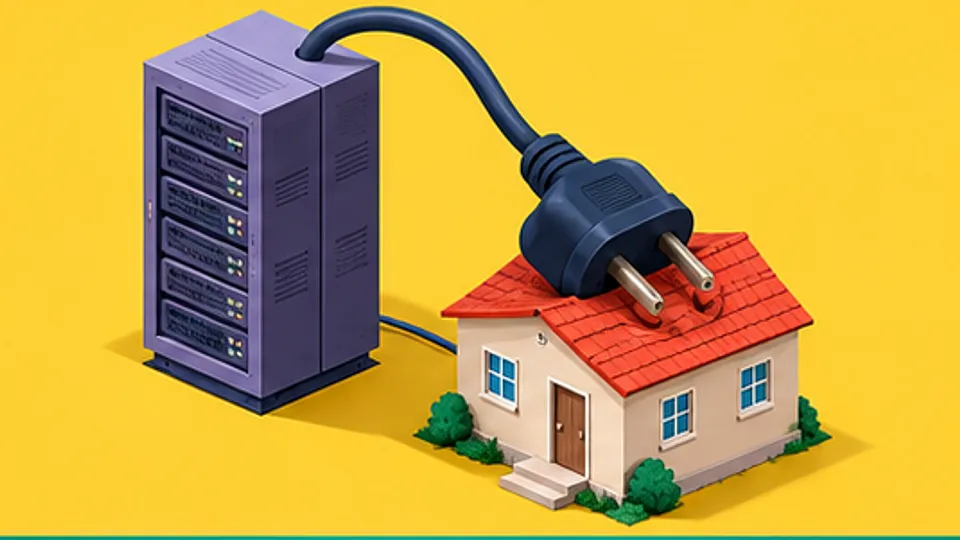
Behind the bill is a simple strain: data centers, which draw huge amounts of electricity to run computing equipment, have spread quickly across the country, and the transmission lines and power plants built to feed them are often paid for through everyone’s rates. Voters have noticed. An NBC News poll this month found that by nearly 6 to 1, Americans said they would be less likely to vote for a candidate who supports building a data center in their community, according to UPI.
It was not clear whether the Senate would take up a revised version of the measure.