
Scientists who study people who get by on as little as four hours of sleep a night said in interviews with the BBC published on Monday that the genes behind short sleep can protect some carriers and hurt others.
Aimee Pugh Bernard, an immunology professor at the University of Colorado, is one of the protected. She goes to bed around 10 p.m. and is up around 4:30 a.m. “I’m wide awake. I cannot stay in bed,” she said. On nights she can’t fall asleep right away she gets five hours, then walks her dog, spends an hour at the gym and puts in an hour and a half of work before 8 a.m. Her father and brother sleep the same way.
She found out why in 2019. A team at the University of California, San Francisco, led by the molecular biologist Ying-Hui Fu, had identified a mutation linked to familial natural short sleep, or FNSS. Carriers go to bed at ordinary hours but wake very early, often after four to six and a half hours. Dr. Bernard sent the team a blood sample. She has the mutation.
People with FNSS seem “fine” on so little sleep, Dr. Fu said, and researchers are still working out how.
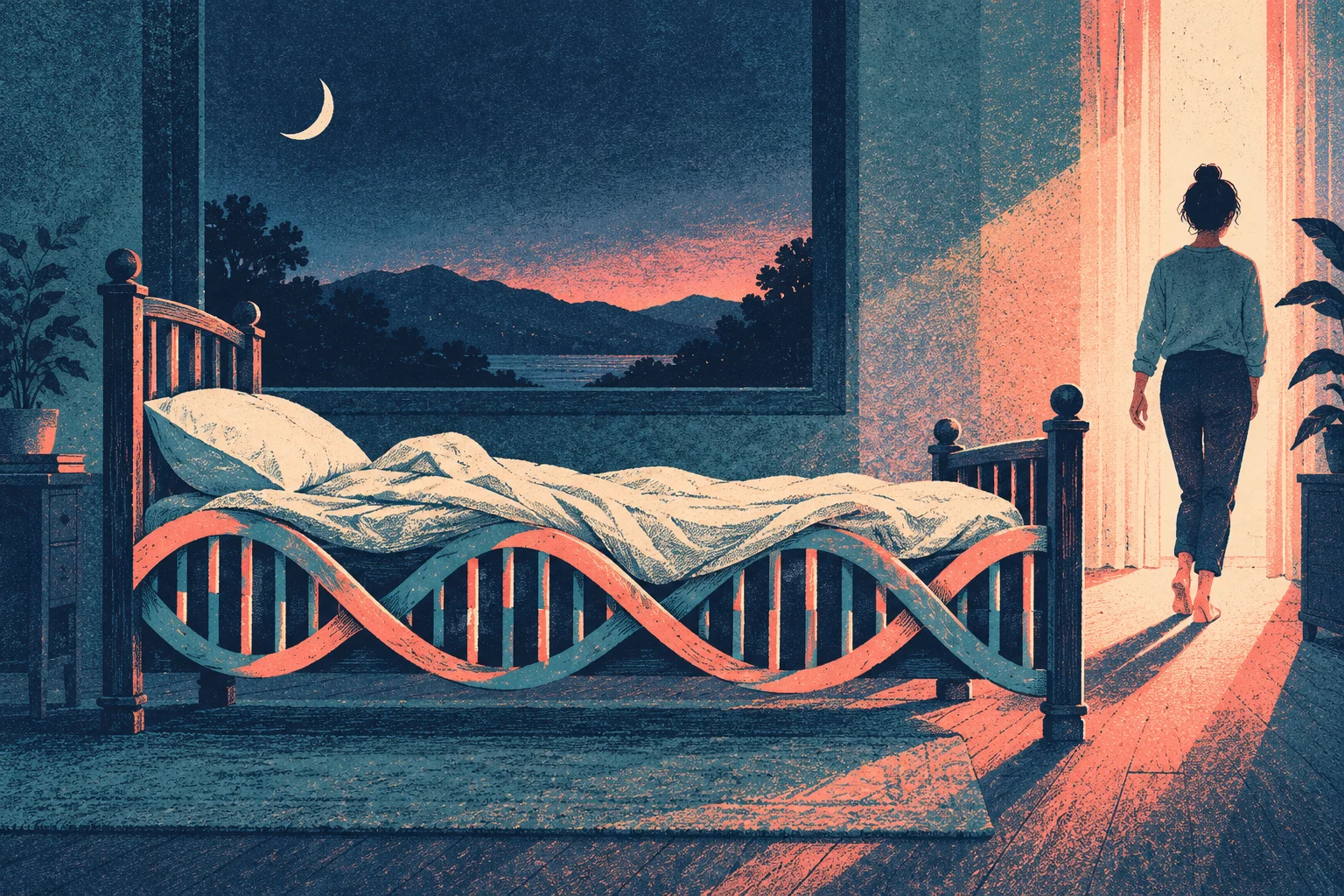
There are signs the variants also blunt the usual damage, including to memory. In a 2014 study, an international team examined fraternal twins, only one of whom carried a short-sleep mutation. The carrier regularly slept about an hour less than his brother but got almost the same amount of non-REM sleep, which includes deep, slow-wave sleep. When both were kept awake for 38 hours, he had about 40 percent fewer performance lapses.
The pharmaceutical industry hopes the work could someday yield drugs for sleep disorders or help military personnel function on less sleep. Dr. Fu said that would first require knowing exactly how the variants work. “You don’t want to sleep less and then get Alzheimer’s or Parkinson’s or cancer after 10 years, or five years, or 20 years,” she said.
Rare mutations like hers explain only a sliver of the variation. Sleep duration is estimated to be 30 to 65 percent heritable, and several hundred regions of the genome have been tied to it. A new analysis of nearly 650,000 adults, led by Isabelle Austin-Zimmerman, a geneticist at King’s College London, found around 244 of them, the BBC reported. A multi-ancestry preprint from her group posted on medRxiv lists 234 independent loci, 143 of them new. It was not clear whether the two counts describe the same analysis, which has not been peer reviewed.
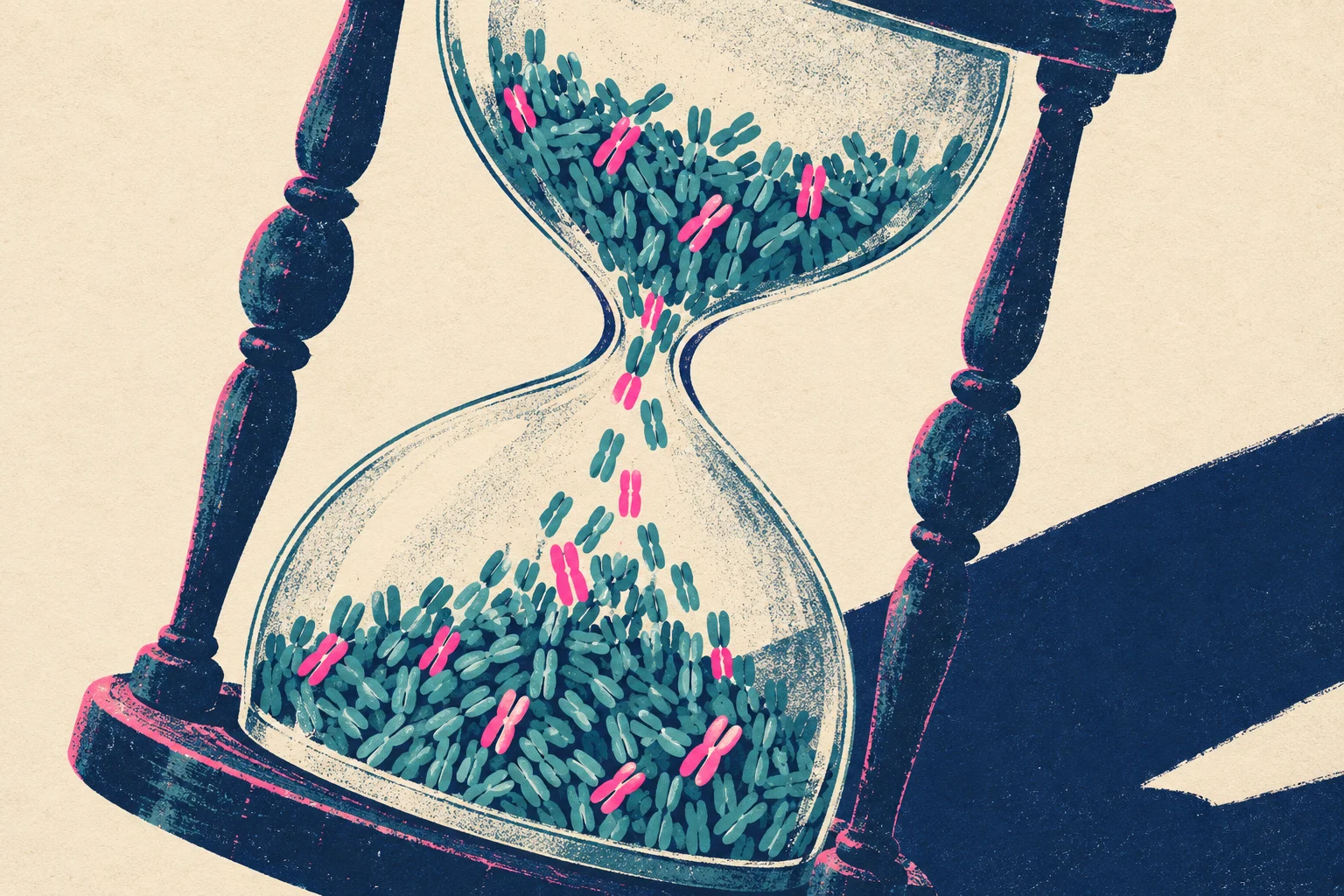
Any one of those common variants shifts sleep by about a minute, Dr. Austin-Zimmerman said. The preprint puts the average at roughly 0.86 minutes. Added up, genetic differences might account for about 20 minutes of the gap between one average person and another, she said.
The news for most short sleepers isn’t good. In a broad population, her team found that variants tied to shorter sleep went with a higher risk of insomnia and of feeling tired, and with conditions including ADHD, depressive symptoms and type 2 diabetes. That doesn’t show short sleep causes them.
One study cut the other way. Chiara Petrosellini, a clinical academic obstetrician and gynecologist at University College London, led a team that scored 343 women with bipolar disorder who had given birth on their genetic likelihood of being short sleepers. Those most likely to be short sleepers had half the risk of postpartum psychosis of those least likely. The same held for insomnia.
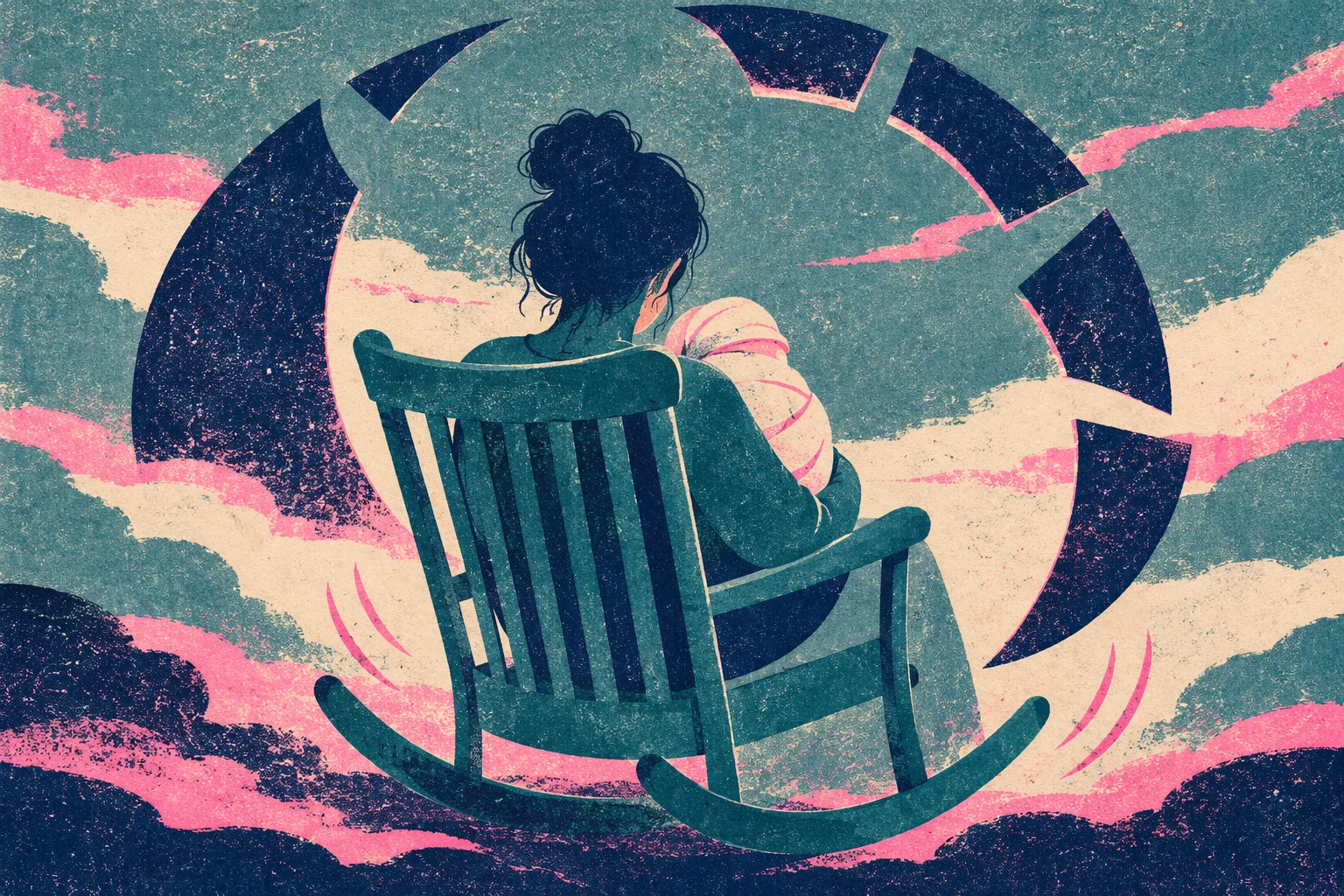
In the version published in Translational Psychiatry, women in the bottom tenth on the short-sleep score had 2.23 times the risk of those in the top tenth. Postpartum psychosis affects one to two of every 1,000 women who give birth, according to the paper. The researchers suggested these women may build a tolerance to broken sleep earlier in life, easing its toll on mood after childbirth. They said more studies were needed.
Feeling fine proves little. In a study co-written by Hans van Dongen, a sleep scientist at Washington State University’s Sleep and Performance Research Center, healthy adults held to four or six hours in bed a night kept doing worse on cognitive tests. Two weeks in, they rated themselves only “slightly” sleepy. People grow steadily more impaired and less aware of it, Dr. van Dongen said, though his other research has found that some people do hold up better without sleep.
For Dr. Bernard, the result settled a nagging question: whether she was just bad at relaxing or had taken on too much. “Now I have an answer,” she said. “I know, genetically, it’s just the way that I am — and I’m just going to have to embrace it.”