
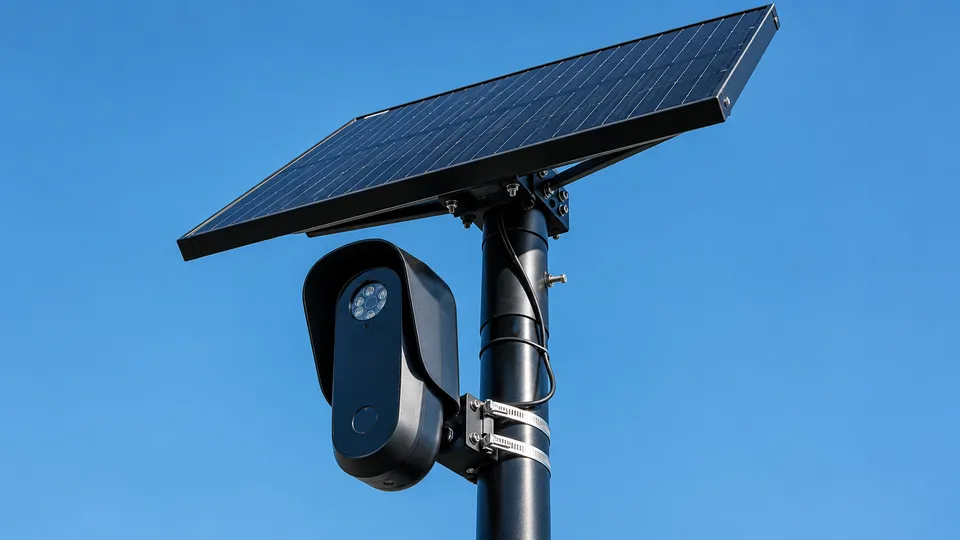
Cities rarely take back what they have given their police. Power, once granted, tends to stay granted. On Monday, 16 November 2026, San Diego took it back. In a single sitting, the City Council removed both the automated license plate readers made by Flock Safety and the so-called smart streetlights that carried them through the city.
As Cyrus Farivar reported for Ars Technica, more than 500 cameras are going dark. Three years earlier the mayor and other city leaders had urged the council to approve them.
Two votes
The first vote was on the plate readers. According to Times of San Diego, the council voted 7-0 to suspend them. Councilmembers Jen Campbell and Marni von Wilpert were absent. A unanimous vote cannot be vetoed. KPBS reported that the council went further than dropping one vendor: it barred the city from using the technology at all, so no other company can replace Flock unless the council decides otherwise.
The second vote was the surprise. Just before the plate-reader vote, Councilmember Henry Foster III moved to reconsider the smart streetlights. Under the contract the two systems cannot be separated. Foster acted after Lyndsay Winkley, the police department’s community liaison manager, told the council that the city could end the contract if neither technology remained approved. Accounts of the count differ. Times of San Diego reports that the council rejected the streetlight use policy 5-2, with Vivian Moreno and Raul Campillo voting no. NBC San Diego gives the margin as 6-1.
The lamp that watches
San Diego has tried this before. The city once bought thousands of smart streetlight systems from another vendor, GE Current, and a previous mayoral administration shut them down in 2020. Ubicquia later acquired that smart-city platform. In 2023, working with Flock and backed by the police, it proposed 500 new cameras, and they went up that same year. The streetlights used Flock’s AI-driven plate-reading software, so each lamppost recorded the passing cars as well as lighting the street.
That makes twice in less than a decade that the city has adopted the technology and then rejected it.
In 2023 the city had a body built to warn it: the City of San Diego Privacy Advisory Board. The board asked the council to vote the plan down, and the council approved it anyway. One board member, Pegah Parsi, now writes on LinkedIn that she feels “vindication.”
“A reminder for every city, agency, and institution: if you create an advisory board of experts, listen to them! Actually, earnestly listen to them. It’s cheaper than learning the hard way. Do better.”
Governments are fond of creating advisory boards and then ignoring them. The board gives the appearance of deliberation and the decision is made elsewhere. Parsi’s complaint is with the habit, more than with this one vote.

What changed
The cameras did not change. The politics around them did. Times of San Diego reports that Campillo, for a long time a supporter, changed his position after Voice of San Diego reported that the police had used the technology to track a domestic violence victim during an internal investigation of an officer. NBC San Diego reports that his defection gave opponents their sixth vote, and that other members then followed. Addressing Police Chief Scott Wahl, Campillo said: “The position that the department has taken on that reading, I’m utterly disappointed.” He added: “I expected more, given how clear several council members have been about the fears we have about this.”
Councilmember Sean Elo-Rivera spoke about the presumption of innocence. “ALPRs seem to turn that whole thing upside down,” he said. Councilmember Stephen Whitburn’s explanation was shorter: “My view of the effectiveness of ALPRs hasn’t changed. What has changed is the context.”
The police made their case in numbers. Department representatives told the council that vehicle theft had fallen 20 percent since 2023 and that the Flock cameras had led to the recovery of 689 stolen vehicles. The council did not dispute the figures. It voted anyway.
The invoice
The vote does not settle the paperwork. According to Times of San Diego, the contract with Flock Safety and Ubicquia is worth nearly $12 million and remains active. The city could cancel it or renegotiate it, and cancelling soon would avoid a $2 million payment due in December for next year’s service.

Mayor Todd Gloria supported the program and still supports plate readers. He has said he will respect the council’s decision and will not veto either action. His council affairs adviser, Kohta Zaiser, said the city will turn off the system on its end and direct the police to begin removing the cameras with Ubicquia and Flock. A plan to dismantle the more than 500 cameras is due before the council by the end of the week.
A count across the country
San Diego is one of the largest cities yet to break with Flock, and it is part of a wider pattern of cancellations numbering in the hundreds. Secure Justice, an advocacy group in Oakland, has been tracking the company’s troubles nationwide. Its executive director, Brian Hofer, wrote to Ars Technica: “We’ve documented at least 513 Flock contracts that have ended in red and blue states, in large and small cities. It’s pretty clear that Americans do not consent to their government tracking them as we go about our daily lives.”
In San Diego the lampposts will stay up. The cameras on them are switched off and are waiting for someone to take them down, and the city’s contract still requires a payment in December.