
Two meetings, one week, two capitals that have spent the past year shooting at each other. On October 14, Russia’s interior minister, Vladimir Kolokoltsev, sat in Rawalpindi with Pakistan’s army chief, Field Marshal Asim Munir — elbows on his knees, leaning in, as Abid Hussain reports for Al Jazeera. While Kolokoltsev was in Pakistan, Sergey Naryshkin, head of the SVR foreign intelligence service, flew into Kabul for talks with the Taliban’s intelligence chief, Abdul Haq Wasiq.
The backdrop is a quarrel considerably warmer than a diplomatic spat. Since October 2025, when Pakistan launched air strikes on what it called terrorist bases in Afghanistan, the two countries have fought their deadliest clashes since the Taliban’s 2021 takeover, according to the Council on Foreign Relations’ conflict tracker. Qatar and Turkey brokered a temporary ceasefire; Saudi-mediated follow-up talks collapsed by year’s end and the cross-border violence resumed. At the heart of it is the TTP, the Pakistani Taliban: Islamabad says Kabul harbours the group behind attacks inside Pakistan, while the Taliban have always denied links, as the Carnegie Endowment notes.

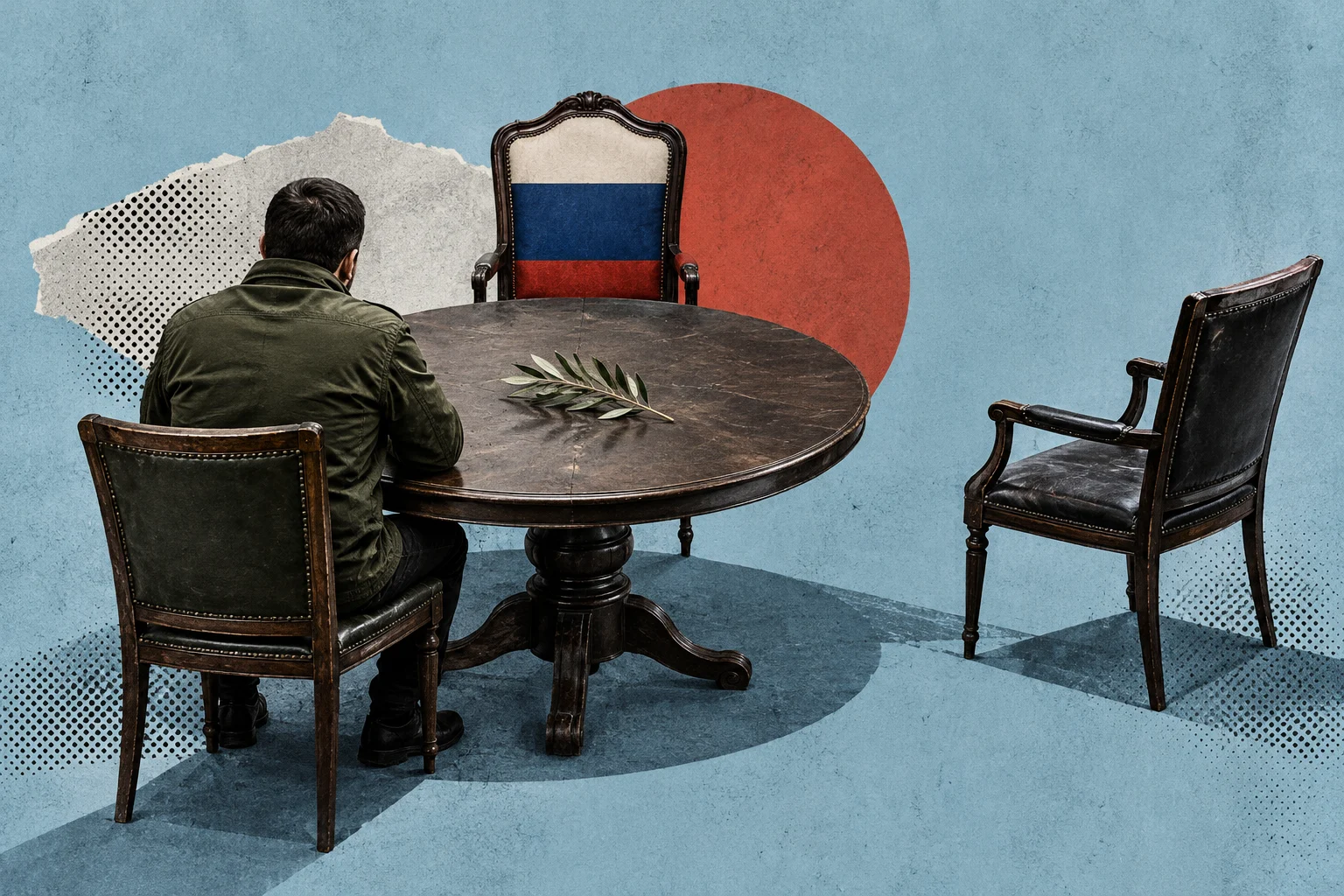
Enter Moscow, volunteering. Zamir Kabulov, Russia’s special representative for Afghanistan, told the TASS news agency earlier this month that his country was ready to act as peace broker between Kabul and Islamabad — if both sides requested it, Al Jazeera reports. That conditional clause is doing a lot of work. Pakistan’s ambassador to Russia, Faisal Niaz Tirmizi, said back in March that Islamabad had approached Moscow. The Taliban have not publicly requested Russian mediation at all.
Which makes this, at the moment, a mediation with one client. Mediation is a service with a defined market: the product is the trust of both parties plus enough leverage over each to make a deal stick. Al Jazeera’s assessment is that Moscow has close ties with the Taliban and is courting Islamabad, but that analysts question its actual leverage. The Taliban’s incentive structure is worth a look: they face no obvious cost for declining a process they never asked for, while Pakistan gains simply by adding a patron Kabul cares about to the pressure over the TTP.
Notice, too, the casting of the visits. Russia did not send diplomats to talk to diplomats. It sent the interior minister — the domestic security portfolio — to the field marshal, and the spy chief to the spy chief. Shuttle diplomacy, but with the files that these particular guests actually keep. That is at least the correct shape of an opening bid: you approach each side through the man whose job it is to worry about the problem.
Whether the opening bid gets a second round is another matter. A ceasefire brokered by Qatar and Turkey already exists as precedent; a Saudi process already exists as precedent for collapse. Moscow’s offer costs it almost nothing to make and buys it relevance in a region the West has largely vacated, regardless of whether anyone signs anything.
For now, then, Russia is a peace broker with one acceptance letter and one pending. In the trade, there is another word for a mediator retained by only one side: an envoy.